FOR PUBLIC SPEAKERS
How to make a speaker showreel: length, structure and footage
Your showreel is often the deciding factor for a booker. Here is how long it should be, how to structure it and what footage to use.

Event organisers visit your speaker website with one question: can this person hold my audience? Here is how to answer it in under a minute.
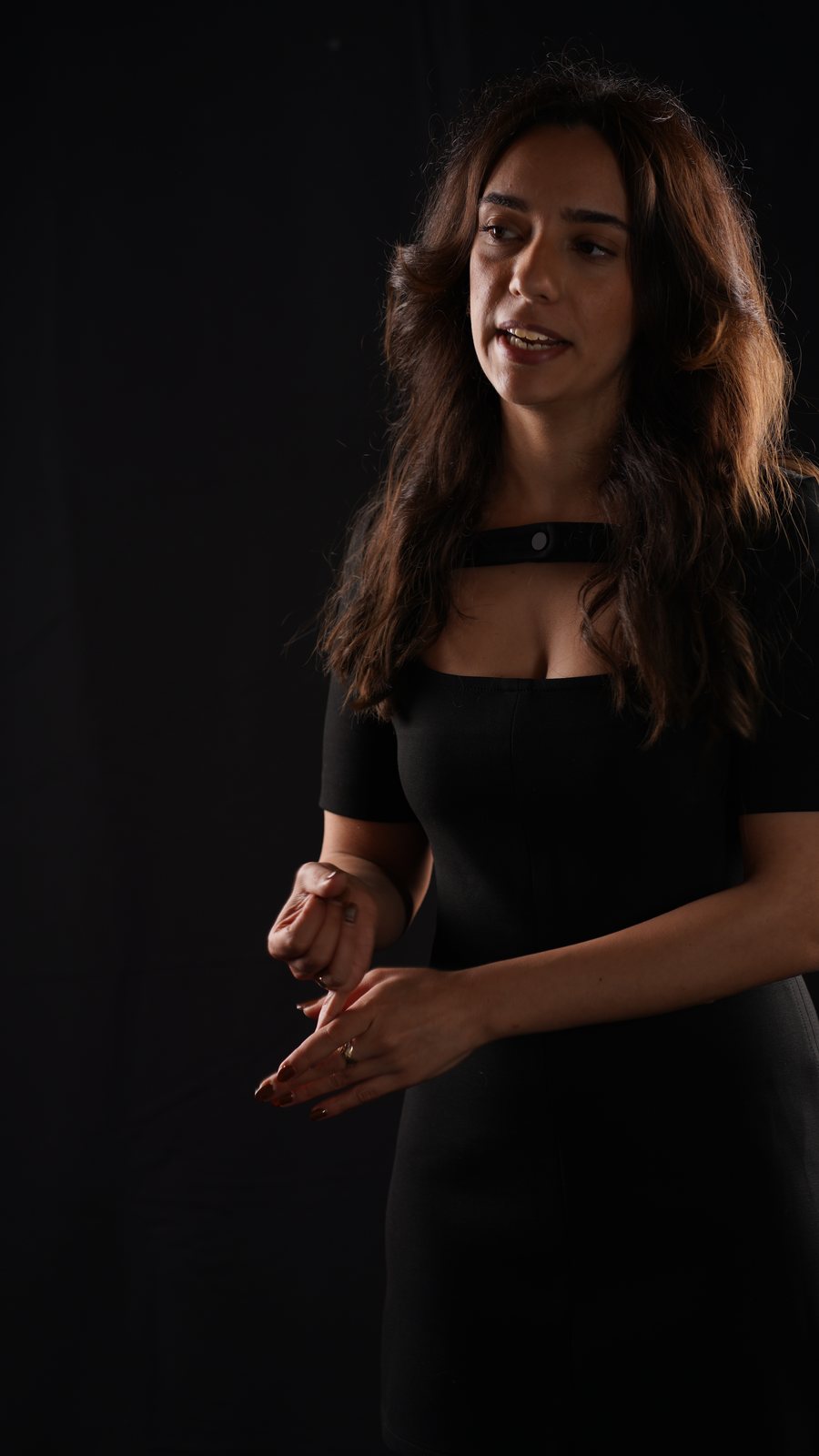
A great speaker website lets an event organiser decide quickly that you’re right for their audience. Near the top it shows you speaking to a live room. It lays out your talks and who they suit, backs them up with testimonials from organisers, and makes it easy to enquire or download your media kit.
Organisers and bureau bookers are busy, and they’re working through a shortlist. Nobody reads a speaker website for fun. They want to know if you’re credible and relevant. They also want to know if you’ll be easy to work with. The best speaker websites are built around that check.
This guide covers what to put on the site and what order to put it in. It also covers the mistakes that cost speakers bookings without them ever knowing.
Mostly not the audience. The people who visit are usually:
Every one of them wants a fast answer to the same question. Will this person be good in front of my audience, and how do I book them?
Bureaux book speakers for a living, so they’re a good guide. Take NMP Live, a UK bureau. Speakers who want to join its roster are asked for a high-quality showreel of three to four minutes (or footage of a recent live speech) and a concise bio. It also wants testimonials from organisations you’ve spoken for recently and a recent publicity headshot, plus your fee structure, a list of key topics with short descriptions and where you’re based (NMP Live: Join our roster).
Use that list as a checklist for your website. Organisers want much the same evidence.
Put video of you in front of a real audience near the top. The Speaker Lab, a US speaker-training firm, also advises placing your demo video near the top of the homepage (The Speaker Lab). Next to it, add one line saying who you speak to and what about. Then a clear button to enquire.
Give each talk its own page or section. Cover these points:
A short edited reel is ideal. Keep longer footage for a separate page or send it on request. Our guide on how to make a speaker showreel goes into length and structure, along with which footage to use.
Short, specific quotes from organisers carry the most weight. Organisers trust other organisers. Where you have permission, give the person’s name and role, plus the event. Logos of organisations you’ve spoken for help too, provided you really have spoken for them and you’re allowed to display them.
Write your bio for decision makers. In a few short paragraphs, explain why you’re qualified to talk about these topics. Offer a short version and a long one, because organisers will paste it straight into programmes and introductions.
Make high-resolution headshots downloadable. Put your short bio and long bio there too. Add talk descriptions and a one-sheet PDF. That way organisers don’t have to email you for assets, and you look easy to work with before you’ve even spoken. See speaker headshots and stage photography for which images to include.
You need an enquiry form that asks what you need to know (date and location, audience size, format, budget range), and a direct email address as well. If you work with a bureau, explain how to book through them.
| Page | Main job | Must include |
|---|---|---|
| Home | Prove credibility in seconds | Live speaking video, one-line positioning, enquiry button, testimonials |
| Talks | Show relevance | Titles, summaries, audiences, outcomes, formats |
| Showreel or video | Show you in action | Edited reel, plus longer clips if available |
| About | Build trust | Bio for organisers, photo, credentials |
| Media kit | Make you easy to book | Headshots, bios, one-sheet, talk descriptions |
| Contact or book | Turn interest into enquiries | Form, email, bureau details if relevant |
If you’re newer to speaking, you can fold several of these into one page. The test is simple. Can an organiser find each piece of evidence within a click or two?
Honestly, this one is a judgement call. Put a fee or a “fees from” figure on the site and you’ll filter out enquiries that were never going to fit the budget, which saves everyone time. Leave it off and you keep room to negotiate, and you avoid anchoring a price that won’t suit every event. Lots of speakers split the difference: no fee on the website, a short line saying fees depend on format and location (and travel), and a budget question on the enquiry form. Whichever way you go, have your fee structure ready. Bureaux and organisers will ask for it.
A few things. Pick .co.uk or .com depending on where most of your bookings come from, and if you show prices or fee guidance, show them in pounds. If the site uses analytics or advertising cookies, the ICO’s guidance on cookies says you’ll generally need consent for anything that isn’t strictly necessary. Your enquiry form collects personal data, so add a privacy notice. When you’re unsure about anything here, check the ICO’s website.
Yes. A clean template on a mainstream platform with good photos and a strong showreel will beat an expensive site with weak evidence every time. Bringing in professionals makes sense when you want the site to position you at a higher fee level, or when the copy needs writing for organisers instead of audiences. It also helps when you want the website planned together with the video and photography so they look like one brand.
We design and build personal brand websites on WordPress. We write the copy and set up the SEO foundations too. Our brand videography team can film your showreel, and we can shoot your headshots as well. Every project begins with a clear brief. We agree it with you, along with the scope and fee, before any creative work starts. To talk about your speaker website, start a conversation.
Yes, it still helps. Your bureau profile is one page among many on their site, whereas your own website is where organisers land when they search your name. You can show more depth there than a bureau profile allows, and it stays yours if your representation changes.
Fewer than you’d think. A home page and a talks page, plus about, media kit and contact pages, will cover most needs. A newer speaker can put the lot on one well-organised page and add more later.
Only if you’ll keep it going. Articles on your topics can help people find you through search and show what you know. An abandoned blog with three posts from years ago looks worse than having none.
It’s a single page, usually a PDF, that sums up who you are and what you talk about, with testimonials and a photo, then how to book. Organisers and bureaux use it to pass your details around internally, so make it easy to download from your site.
For most speakers, yes. Organisers book a person, and your name is what they’ll type into a search bar. If speaking is one part of a bigger business, a dedicated speaking section on your main site can work well too.
Your showreel is often the deciding factor for a booker. Here is how long it should be, how to structure it and what footage to use.
The headshots, stage shots and audience images that help organisers picture you on their stage, and how to plan a shoot that delivers all of them.
Paid speaking rarely starts with a pitch. It starts with a clear topic, proof you can hold a room and materials that make booking you easy.
Four quick questions, and we’ll show you where we’d start. Your answers come straight to us with your message, so you won’t have to explain it twice.
A 30-minute introduction call on Microsoft Teams, Monday to Friday, 9am to 5pm. Your answers come with the booking, so we’ll be ready for you.
Prefer to talk it through? Make an appointment for a 30-minute call on Microsoft Teams, Monday to Friday, 9am to 5pm.
A closer look at the work behind each part of your plan.
We use analytics cookies to understand how visitors use our site. They are only set if you accept. Read our privacy policy.