FOR INFLUENCERS & PUBLIC FIGURES
How to design YouTube thumbnails that look like you
YouTube thumbnail design for UK creators: the official specs, a recognisable template system, faces, type and colour, and how to test thumbnails properly.

A practical, section-by-section guide to building an influencer media kit that UK brands and agencies will actually read, trust and act on.
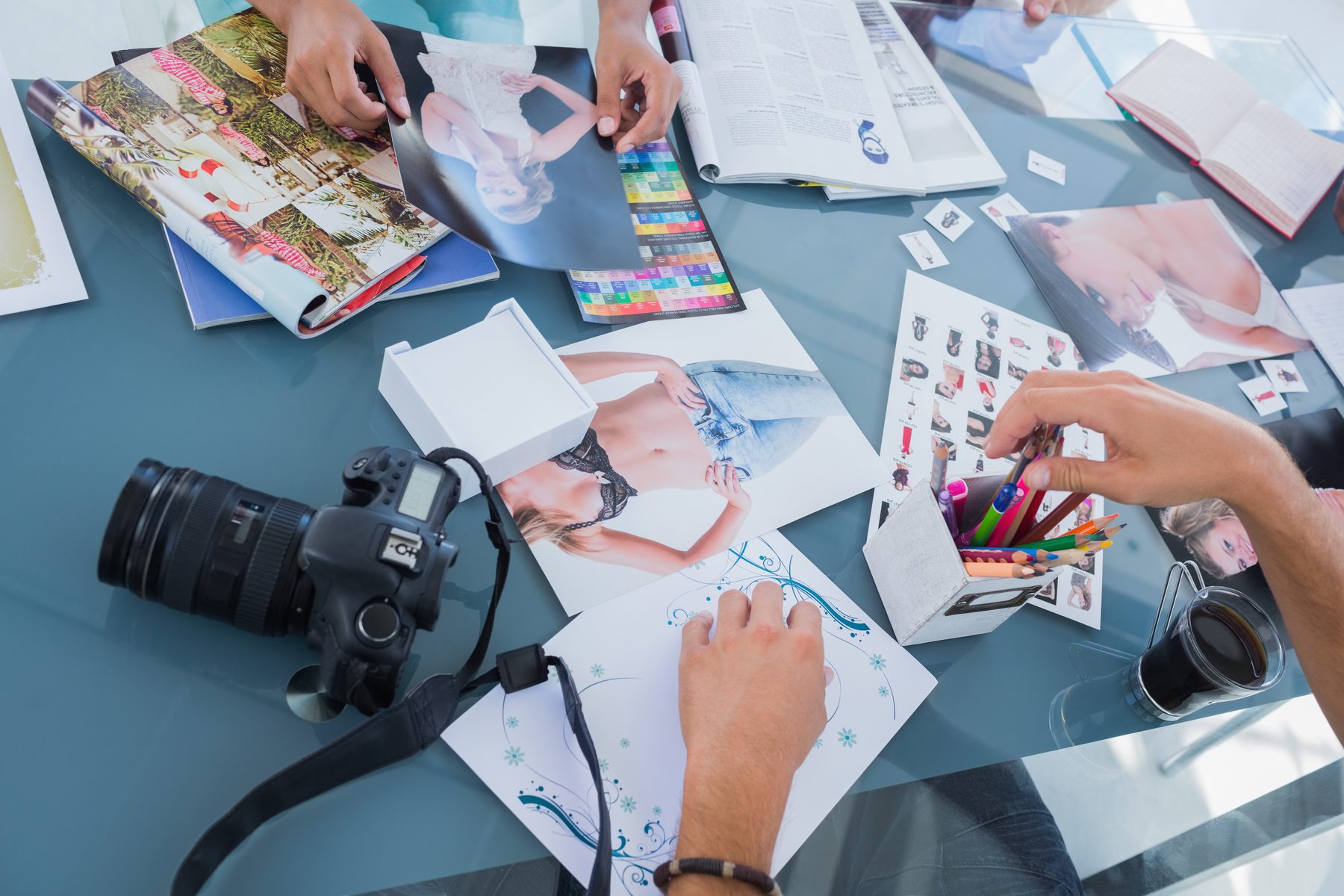
An influencer media kit for UK brands is a short document, usually two to four pages, that tells a brand who you are, who your audience is and what working with you looks like. Include a bio, platform and audience data, engagement and results, past collaborations, the types of partnership you offer, strong photos and clear contact details. Keep it current and easy to forward.
Picture a brand manager opening your media kit on the train between meetings. The cover photo looks like you, the numbers are dated and easy to find, and every page feels as considered as your feed. By the time they reach your contact details they are not wondering whether you are professional. They are wondering which campaign to offer you first.
Most of the media kit advice online is written for American creators and American brands. The principles travel well, but UK brands and agencies tend to want the same few things presented plainly: who follows you, why they listen to you, and evidence that you are professional to work with.
This guide goes through each section in order, with what to put in it and what to leave out.
Think of it as your pitch on paper. A brand manager may be comparing a dozen creators for one campaign. Your media kit has to answer their questions quickly enough that you stay on the shortlist: is this person’s audience the one we want, will they represent us well, and are they easy to work with?
It usually travels with an email, so it helps to read our guide on how to pitch to brands as an influencer alongside this one. It is not a scrapbook or a list of everything you have ever posted. The best kits are short, current and specific.
Open with one line that says what you are about, then three or four sentences of bio. “Lifestyle creator” tells a brand nothing. “Budget home renovation for first-time buyers in the north of England” tells them exactly where you fit. If you are unsure how to describe yourself in one line, that is a brand positioning question worth answering before you design anything.
List each platform you are active on, your handle, and your follower or subscriber count. Add a date, because numbers change and brands notice when a kit is out of date. Put your main platform first.
This is often the section brands read most closely. Pull it from your platforms’ own analytics rather than estimating:
A smaller audience that matches a brand’s customers closely is often worth more to them than a large, scattered one, so be precise rather than impressive.
Raw follower counts matter less than evidence that people pay attention. Include average views, saves, comments or link clicks over a recent period, and say what that period is. If you have results from past campaigns that a brand has agreed you can share, such as clicks or discount-code uses, include them with the context. Never round up or guess.
A few logos or named brands, with a sentence on what you made for each, show you have done this before. If you are just starting, show self-initiated content that demonstrates the kind of work you would make for a brand, and label it honestly.
Set out the formats you work in: feed posts, short videos, stories, long-form videos, newsletters, appearances, usage rights for a brand’s own channels. Brands find it easier to say yes when they can see the menu.
Some creators publish a rate card; many prefer to quote per brief, because usage rights, exclusivity and timescales change the price. Either is fine. If you leave rates out, add a line saying you will quote on request so it does not look like an omission. Our guide to how much to charge for brand deals explains what drives a quote.
Include two or three high-quality, recent images of you that a brand could picture next to its own. A single strong portrait on the cover and one or two images that show your style are usually enough. Phone selfies undersell you here; good brand photography is one of the quickest ways to make a kit look professional.
Email first, plus your agent or manager if you have one, and a link to your website. Make sure the email address uses your name or brand, not a generic one you rarely check.
One to four pages is the norm. If it runs longer, something can almost certainly go. A useful test: could a brand manager skim it in two minutes and repeat back who you are, who follows you and what you offer? If not, cut.
| Section | Typical length | Priority |
|---|---|---|
| Bio and positioning | 40 to 80 words | Essential |
| Platforms and numbers | One line per platform | Essential |
| Audience data | A short list or simple chart | Essential |
| Engagement and results | Three to five figures, with dates | Essential |
| Past collaborations | Three to six examples | Strongly recommended |
| Services offered | A short list | Strongly recommended |
| Rates | A table, or a line saying “on request” | Optional |
| Photos | Two or three images | Essential |
| Contact | Two or three lines | Essential |
Ideally both. Many brands and agencies still ask for a PDF they can forward internally, so keep one ready. A web page, usually a “work with me” page on your own site, has the advantage of always being current and being easy to find when someone searches your name.
If you do not have a site yet, our guide to whether influencers need a website explains when it is worth making the move. When you do, the media kit content becomes the backbone of your partnerships page on your personal brand website.
More than people expect. The kit is often a brand’s first impression of how you will present their product. It should look like you: the same colours, typefaces and photography style as your channels, laid out cleanly so the numbers are easy to find.
You can make a perfectly good kit with a design template. The risk is that it looks like everyone else’s. If you are at the stage where partnerships are a real part of your income, a consistent visual identity across your kit, website and social profiles is worth investing in. That is the work of our graphic design for influencers service, and it fits into a wider plan for marketing for influencers.
Your media kit is not where you set out disclosure terms, but brands will expect you to know the rules for labelling paid and gifted content. The UK’s guidance is published by the advertising regulators and the competition authority: see the ASA and CAP’s Influencers’ guide to making clear that ads are ads and the CMA’s Social media endorsements: guidance for content creators. Read them directly, and take advice if you are unsure how they apply to a particular deal. Our guide to UK influencer ad rules summarises the essentials.
We want brands to open your media kit and feel, straight away, that they are booking a professional. We began as the in-house team of co-founder Jack Cartwright, designing the covers, photos and website his marketing relied on. Through graphic design for influencers we design media kits and rate cards in your colours and type, easy to update as your numbers grow, and can photograph you for them. A clear brief, scope and fee are agreed before any creative work begins.
Yes, arguably more than larger accounts. When your numbers are modest, a clear kit that explains exactly who your audience is and how engaged they are is how you show a brand that you are a good fit, rather than relying on reach alone.
It is your choice. Publishing rates saves time with brands that are a poor fit on budget. Quoting per brief gives you flexibility for usage rights, exclusivity and deadlines. If you leave them out, say that rates are available on request.
Update the numbers at least every few months, and always before sending it to a new brand. Date the figures so the reader knows how current they are. A web version on your own site makes this easier.
A PDF is the standard format to send, because it looks the same on every device and is easy to forward. Keep the file size small enough to attach to an email, and name the file with your name and the month so it is easy to find.
You can, but photos carry a lot of weight. If budget is tight, use your best recent, well-lit images that look consistent. When partnerships become a meaningful part of your income, a professional shoot is usually one of the better investments you can make.
YouTube thumbnail design for UK creators: the official specs, a recognisable template system, faces, type and colour, and how to test thumbnails properly.
When ads for influencers are worth paying for in the UK: launching your own product, growing a newsletter, and when boosting a post is a waste…
What influencer whitelisting means for UK creators: how partnership ads work on Instagram, TikTok and YouTube, what access you give and what to agree first.
Four quick questions, and we’ll show you where we’d start. Your answers come straight to us with your message, so you won’t have to explain it twice.
A 30-minute introduction call on Microsoft Teams, Monday to Friday, 9am to 5pm. Your answers come with the booking, so we’ll be ready for you.
Prefer to talk it through? Make an appointment for a 30-minute call on Microsoft Teams, Monday to Friday, 9am to 5pm.
A closer look at the work behind each part of your plan.
We use analytics cookies to understand how visitors use our site. They are only set if you accept. Read our privacy policy.