FOR ARTISTS & CREATIVES
What Should a Photography Website Include? A Page-by-Page Guide
A page-by-page checklist for UK photographers: home page, galleries, about, pricing, testimonials, booking, blog and legal pages.

Why photographers need professional portraits of themselves, where to use them, and why self-timer selfies rarely match the standard of your client work.
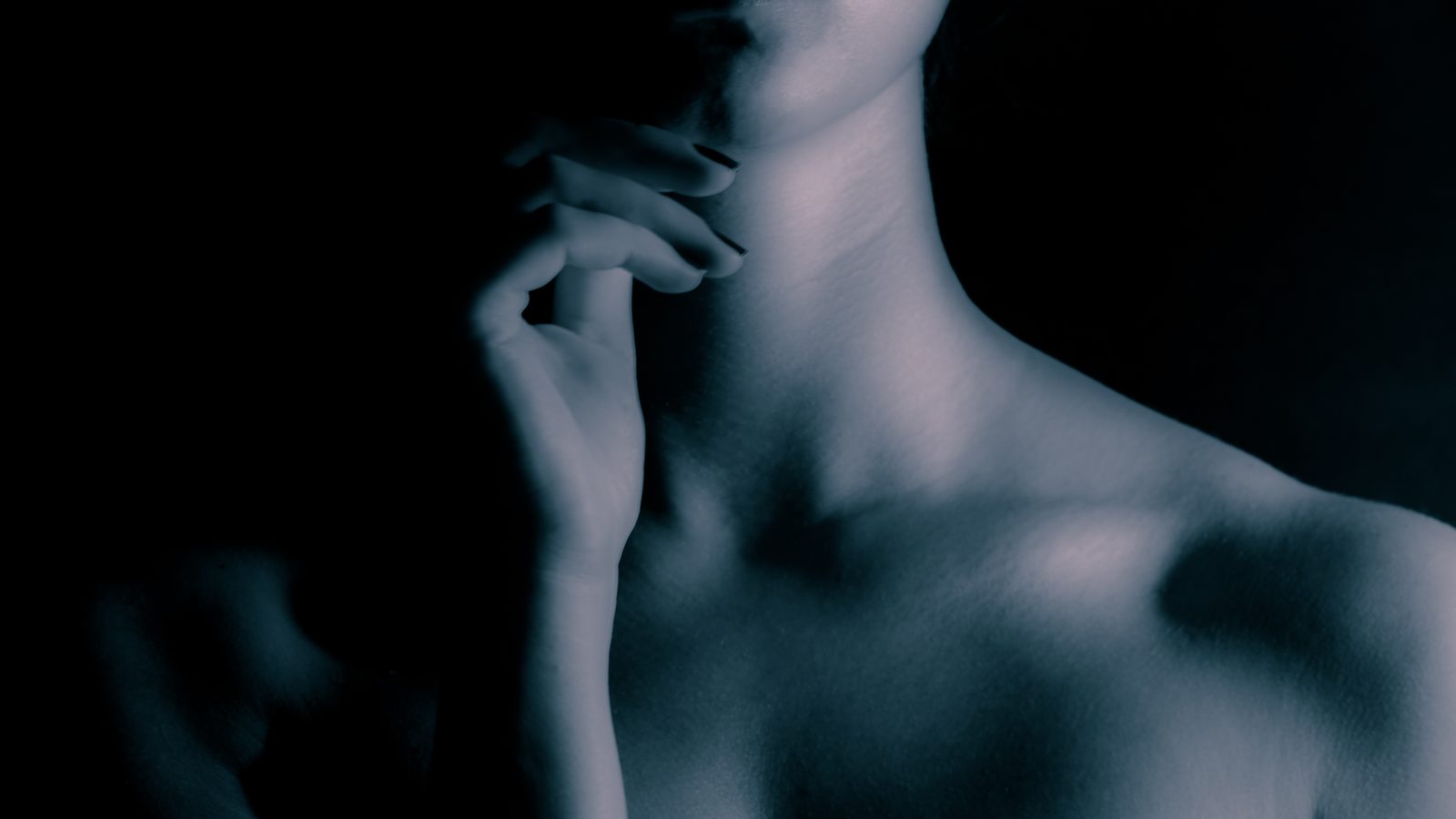
Headshots for photographers count because your own portrait is often the first image a potential client sees, whether that’s on your About page or your Google Business Profile, your social accounts or a press feature. A self-timer selfie rarely matches your client work, so it undersells you. A professional headshot, directed to your own style, closes that gap.
Most photographers spend their working lives making other people look good. Then they need a picture of themselves. Out comes the phone on a tripod, or a crop from some wedding where the second shooter happened to catch them mid-blink. Good headshots for photographers are surprisingly rare.
This guide explains why that habit costs you and where a good portrait earns its keep. It also covers what to ask for when you commission one. It’s written for UK photographers of every genre, from weddings and families to commercial and events work.
Because clients size up the person before the portfolio. Anyone picking a photographer for a wedding, a family session or a corporate day is really asking one thing: will I feel comfortable in front of this person? Your portrait is the fastest evidence they’ve got.
Then there’s consistency. If your gallery is polished and your profile picture is a dim shot in the bathroom mirror, people notice the gap. They might not put it into words. It still plants a small doubt about your attention to detail, and attention to detail is exactly what they’re paying you for.
And you’re hardly ever in your own pictures. You’ve probably photographed hundreds of people this year, yet when a venue or a magazine or a networking group asks for a photo of you, there’s nothing strong or current to send.
One session should cover several places at once. Plan for each before you shoot, because they all need something slightly different.
This is usually where a prospective client checks you out before getting in touch. A wider, relaxed portrait with a bit of context suits an About page. A tighter crop works for a contact section or the footer. If you’re rebuilding your site, our website design for photographers service covers how it all fits together.
If clients find you through local search, they often see your profile before your website. Google says photos should be in focus and well lit, without significant alterations or excessive filters. It recommends 720 by 720 pixels, with a minimum of 250 by 250. Files have to be JPG or PNG, between 10 KB and 5 MB. Your cover photo is the image Google suggests best represents your business, so a strong portrait or a shot of you at work could be a good choice.
Profile pictures usually show up tiny. You need a version where your face still reads clearly at thumbnail size, so ask for a tight, high-contrast crop on top of the full frame.
Editors and organisers want a clean image they can use straight away, usually in both horizontal and vertical formats. Keep a folder ready to send. Then you can say yes to opportunities without scrambling.
These are small, but plenty of clients meet you here first. Use the same portrait everywhere and people start to recognise you.
They aren’t always bad. The trouble is that you can’t direct a shoot and be directed at the same moment.
The bigger problem is that you’ll settle for an image that’s merely acceptable. You look at the shot as a technician, so you sign it off too quickly. A second photographer sees what a prospective client will see.
You can, and lots of photographers do. It’s cheap and friendly. Go in with your eyes open, though. A swap works best when you agree the style up front and share the same expectations about deadlines and edits. Be honest about each other’s strengths too. The risk is ending up with a picture that looks like their work instead of yours, delivered whenever both diaries finally line up.
If your look is distinctive, there’s another route. Commission a shoot where your vision leads and the other photographer carries it out. That’s how our brand portraits and headshots for photographers work.
It should look like the person clients actually meet. A few principles help:
For wider planning that covers locations and props, see our marketing for photographers overview.
Every two to three years is a sensible rhythm. Go sooner if your appearance, genre or branding changes noticeably. A big rebrand is a good trigger. So is a new website, or a move into a different niche. Photographers who change their style but cling to an old portrait send mixed signals.
Some photographers refresh with the seasons, say an outdoor portrait in summer and a studio one in winter. That’s optional. One strong set, used consistently, will do more for you than constant change.
Our team includes working photographers. We shoot brand portraits and headshots for photographers to your own vision, so you don’t have to put up with a mediocre picture just because someone else is holding the camera. We can also make sure the images get used well on your website and social accounts, as well as your local listings. Before any work begins, we agree a clear brief and scope with you, along with the fee.
Yes, if you want clients to trust your eye. Your portrait sits on your website and your Google listing as well as your social profiles, usually before anyone has looked at your gallery. A well-made image shows the same care you put into client work. It also gives people a face they can feel comfortable with.
You can, and a careful one might do for a quick profile picture. The catch is that you can’t direct yourself while shooting. Nor can you check your expression or control the pose. For your main brand portrait, a second photographer working to your brief usually gets a more natural, consistent result.
Google recommends 720 by 720 pixels, with a minimum of 250 by 250 pixels. Files must be JPG or PNG and between 10 KB and 5 MB. Google also wants photos that are in focus and well lit, without heavy filters or alterations.
Get both. A portrait with a camera makes your profession obvious at a glance, which helps in search results and on social platforms. One without a camera feels more personal and suits an About page. With a set, you can pick what fits each place.
Roughly five to ten final images is enough for most photographers. That gives you a tight crop and a three-quarter view, one at work, plus a few variations in expression and orientation. Quality and variety beat volume. A smaller, well-chosen set is easier to keep consistent.
A page-by-page checklist for UK photographers: home page, galleries, about, pricing, testimonials, booking, blog and legal pages.
Video shows clients who you are as well as what you shoot. Learn which types of video to make and where to use them on your…
Concrete Reels ideas for UK photographers, with a simple structure, length limits and music cautions.
Four quick questions, and we’ll show you where we’d start. Your answers come straight to us with your message, so you won’t have to explain it twice.
A 30-minute introduction call on Microsoft Teams, Monday to Friday, 9am to 5pm. Your answers come with the booking, so we’ll be ready for you.
Prefer to talk it through? Make an appointment for a 30-minute call on Microsoft Teams, Monday to Friday, 9am to 5pm.
A closer look at the work behind each part of your plan.
We use analytics cookies to understand how visitors use our site. They are only set if you accept. Read our privacy policy.