FOR ARTISTS & CREATIVES
What Should a Photography Website Include? A Page-by-Page Guide
A page-by-page checklist for UK photographers: home page, galleries, about, pricing, testimonials, booking, blog and legal pages.

A step-by-step plan for your own branding shoot: shot list, locations, wardrobe, kit, directing another photographer and agreeing how the images can be used.
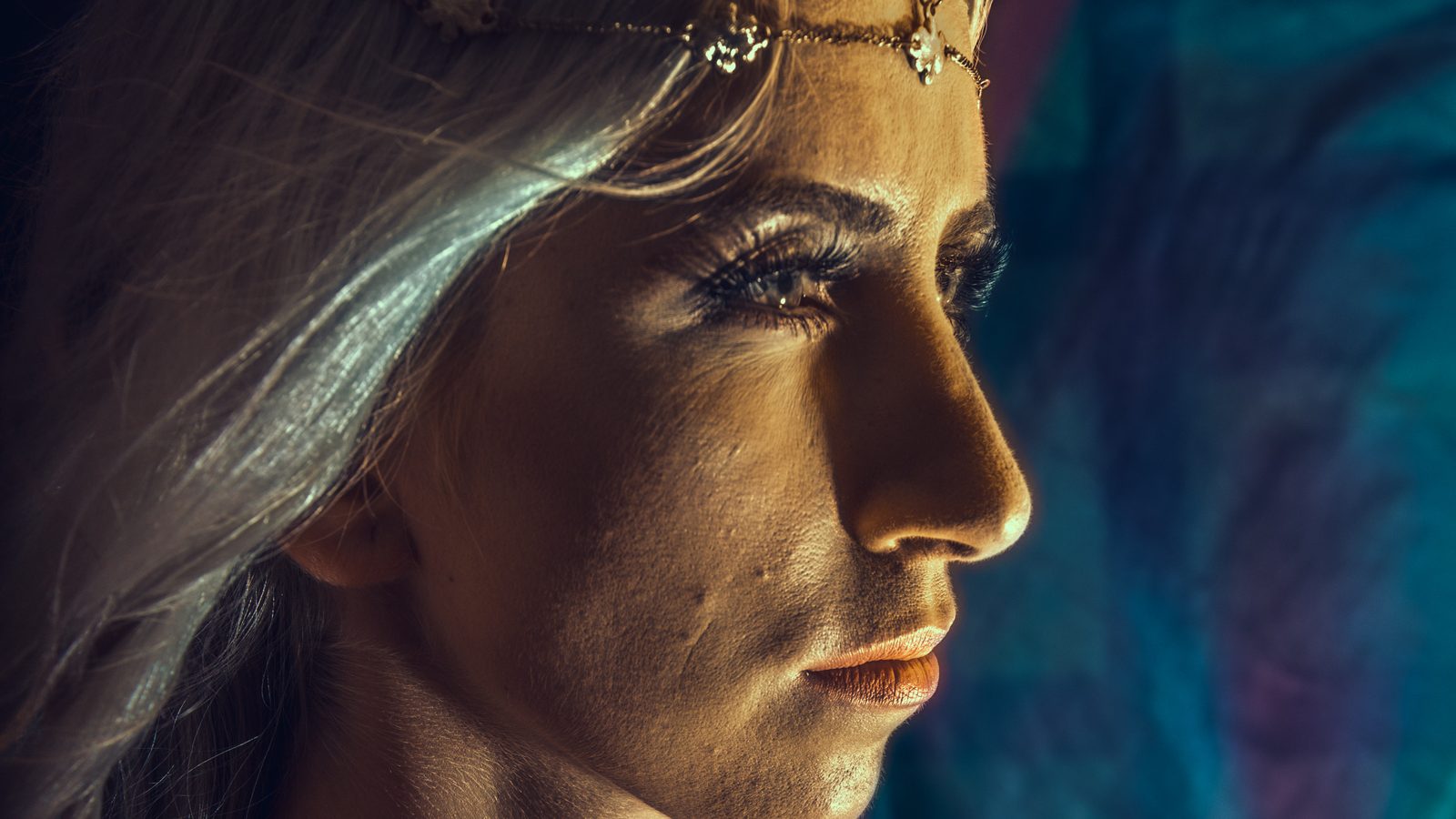
Plan a personal branding shoot for photographers by deciding first where the images will be used, then building a shot list around those uses. Pick one or two locations that suit your style, with wardrobe and props that fit your genre. Brief the photographer clearly on the look you want, and agree usage in writing before the day.
A personal branding shoot for photographers goes well beyond a headshot. It’s a short, planned session that leaves you with a library of pictures of yourself: working, with your kit, in your own space, plus a few simple portraits. Get it right and those images will supply your website and social accounts, as well as your local listings, for a year or longer.
The tricky part is that the roles flip. You’re used to giving directions. This time you’re the subject and someone else holds the camera, which is exactly why you need a plan.
Answer three questions, in this order.
If your answers feel vague, set aside an hour to look at the personal sites of photographers you admire in your genre. Note what you’d borrow and what you’d steer clear of.
Without a shot list, the day slides into fifty portraits that all look the same. Go for variety across a few categories.
| Category | What to capture | Typical use |
|---|---|---|
| Straight portraits | Tight crop, three-quarter, full length, smiling and calm | Profile pictures, press, email |
| At work | Shooting a subject, checking the camera screen, editing at a desk | About page, social, proposals |
| Kit and details | Hands on camera, bag, lenses, notebook, printed work | Website banners, quote graphics |
| Environment | Studio, home office or favourite locations, with you small in frame | Header images, wide crops |
| Movement | Walking, packing a car, arriving at a venue | Social posts, short video |
Number the list and mark your five must-haves. Then if time runs out, you still go home with what you need.
One or two places. Not five. Every move between locations eats into the session and hardly ever makes the pictures better.
Your studio or workspace shows how you work, and you control everything in it. Tidy it first, and clear away the clutter you’ve stopped seeing.
A signature location suits you if you shoot weddings, families or outdoor portraits. That could be a venue or a beach, a woodland path, or a town centre where you often work.
A neutral backdrop keeps the focus on you and gives you clean images for press and directories.
Check the light at the time of day you’ll be shooting, and have a plan for rain. If the location is private or has rules about commercial photography, get permission. Most venues will say yes, but ask early.
Wear what you’d wear on a working day, just a little sharper. Clients meet you in clothes you can work in, and your pictures should look like that person. A stranger in a blazer won’t help anyone.
Bring your own working kit, not a borrowed set. Clean the camera body, check the lens for dust, and take the bag you really use.
Keep props to a minimum beyond that, and make each one mean something. A printed album works, or a framed print, a notebook, a coffee. For each one, ask yourself whether a viewer would read it as part of your job. If they wouldn’t, leave it at home.
If you’ll be photographed holding a camera, decide in advance if you’re posing with it or actually shooting. Both work. The second needs a real subject, though, like an assistant or a friend, or your own work up on the screen.
Most photographers find this the hardest part, and it’s the part that makes or breaks the shoot. Your job is to lead the vision while keeping your hands off the camera.
If you’d prefer to hand over the creative organising, a studio that shoots brand portraits and a personal branding shoot for photographers can put the plan together with you and still keep to your look.
Sort this out before the day, and put it in writing. According to GOV.UK, copyright in a photograph exists automatically from the moment it’s created, with no registration needed. So don’t assume you can use every image anywhere you like unless the agreement says you can.
Agree these points:
Think about the file sizes you need as well. Google, for example, asks for Business Profile photos that are in focus and well lit, without significant alterations, so you’ll want a clean version with no filter on it.
Make your selection fast, while the day is still fresh in your mind, and keep it to a small set that looks consistent instead of every frame you like. Put the strongest pictures where clients will see them first. That means your homepage and your About page, along with your Google listing. Spread the rest across social posts over several weeks.
If you’re working out how this fits into your wider promotion, our overview of marketing for photographers is a good place to start.
Our team includes working photographers who know what it’s like to stand on the wrong side of the lens. Through our photography for photographers service we can plan and shoot a personal branding session shaped around your own style, then help you put the results to use across your site and profiles. We agree a clear brief, scope and fee with you before any work begins.
Most run between one and three hours, depending on how many outfits and locations you have. If you only need portraits, a shorter session is fine. Want work-in-progress images and environment shots as well, plus a second location? Then allow half a day so nothing feels rushed.
Two or three will cover most photographers. Choose one everyday working outfit and one a bit smarter. If you like, add a third in your brand colours. Changing more often than that steals time from the shots you came for, and the extra outfits tend to give you similar pictures anyway.
Yes, if you brief the photographer thoroughly beforehand. A mood board and a shot list, with a few agreed words about the feeling you’re after, let you steer the vision without taking over. On the day, give short, specific feedback and then let them work.
That depends on the work you want to be known for. A studio gives you control and consistency. Outdoor locations tell a more personal story and suit wedding and family photographers. Lots of photographers do one of each. Whichever you choose, check the light. Have a plan for wet weather too.
Not automatically. Copyright exists from the moment the images are created, so who owns them and how you can use them comes down to what you agree. Before the shoot, get it confirmed in writing where you can use the pictures and whether you can edit them, and whether the photographer may show them.
A page-by-page checklist for UK photographers: home page, galleries, about, pricing, testimonials, booking, blog and legal pages.
Video shows clients who you are as well as what you shoot. Learn which types of video to make and where to use them on your…
Concrete Reels ideas for UK photographers, with a simple structure, length limits and music cautions.
Four quick questions, and we’ll show you where we’d start. Your answers come straight to us with your message, so you won’t have to explain it twice.
A 30-minute introduction call on Microsoft Teams, Monday to Friday, 9am to 5pm. Your answers come with the booking, so we’ll be ready for you.
Prefer to talk it through? Make an appointment for a 30-minute call on Microsoft Teams, Monday to Friday, 9am to 5pm.
A closer look at the work behind each part of your plan.
We use analytics cookies to understand how visitors use our site. They are only set if you accept. Read our privacy policy.