
FOR MUSICIANS & BANDS
YouTube for Musicians: Channel Set-Up, Shorts and Live Sessions
How independent UK artists can set up a YouTube channel, apply for an Official Artist Channel, use Shorts, go live, organise playlists and build a community.

How UK musicians can book more and better gigs: what promoters want, how to pitch and follow up, building a local draw, and function and wedding routes.
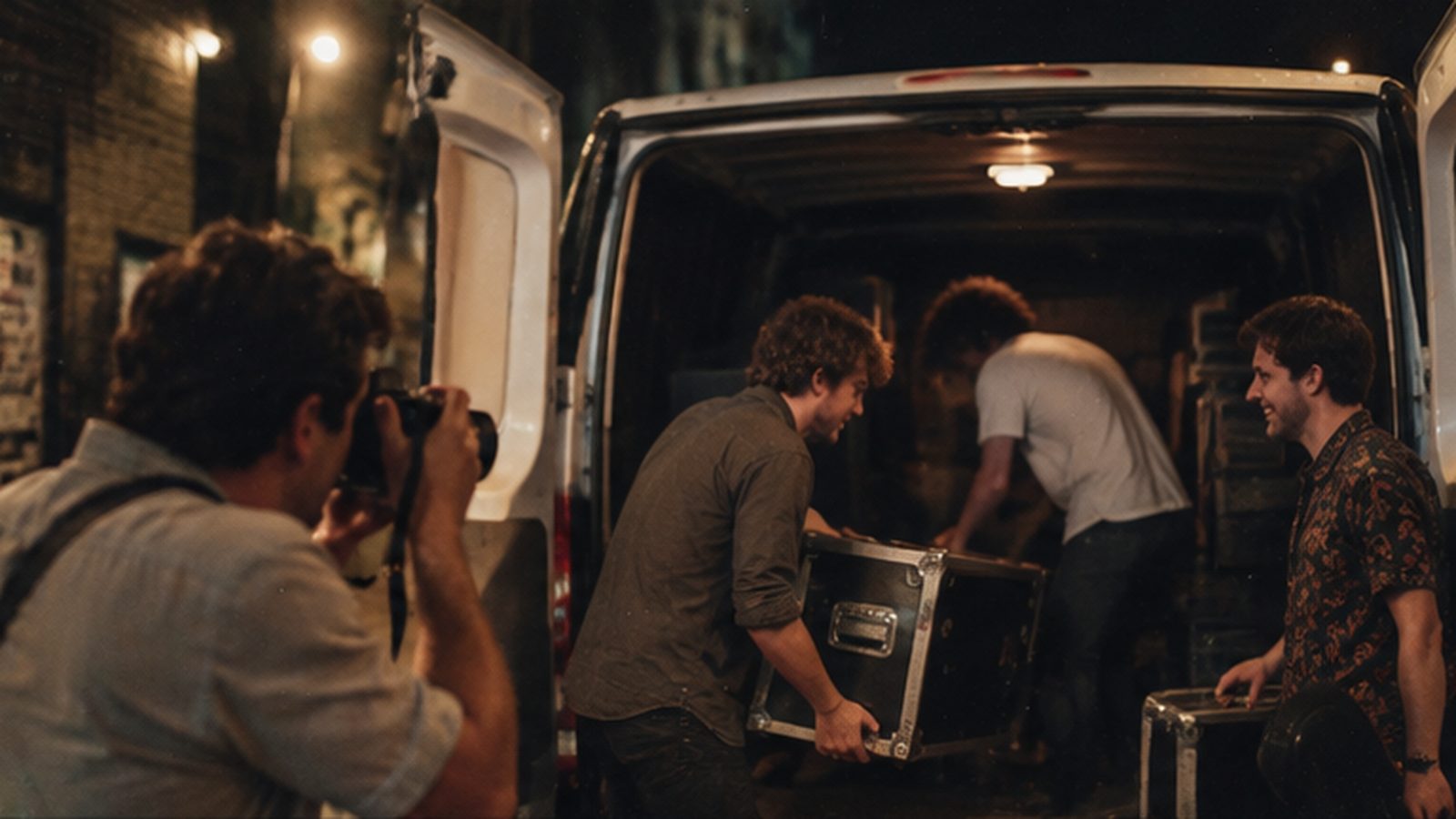
To get more gigs, make it easy for bookers to say yes. Have a short electronic press kit ready, with a few live clips and clear pricing. Target venues and promoters whose crowd suits your sound, send short personal enquiries and follow up politely. Bring people with you: bookers hire acts who fill rooms and are easy to deal with.
If you want to get more gigs, accept that booking is part numbers game and part reputation game. Venues and promoters are busy people, and most of what lands in their inbox is a vague message with a link and no context. Send something clear and relevant that looks the part, and you’re already ahead of the pile.
This guide sticks to the booking side of things. It covers who to approach and what to send them, how to follow up, and how to become an act people want back. It’s written for UK acts of every kind, from solo artists and DJs to bands and function acts.
They want proof. Can you play well and look the part? Will people come, and will you be easy to work with? That comes down to four things kept in one place:
Pull these together into an electronic press kit, which is a single page or PDF you can link to. Our guide to the electronic press kit explains what goes in one. For most venues, a well-chosen minute of live video wins them over faster than any amount of description, so it pays to get your live footage and press images done properly.
Start local. Start with rooms that already book acts like yours. Go through the listings for venues within an hour of home and note who plays there and on which nights, and how often. If a place only puts on covers and you write your own songs, it’s the wrong fit, however lovely the room.
Keep a simple list with four columns. The first two are the venue or promoter and the kind of act they book. The other two are who to contact and when you last got in touch. Add open mic hosts and small promoters to it, along with pub landlords and social clubs. Festivals and events companies belong there too. Keep it current, because this list turns into your booking pipeline.
Go and watch a few nights. Chat to the sound engineer and the other acts. Booking often runs on word of mouth, and if they already know your face, your message is far easier to say yes to.
Keep the first message short enough to read on a phone. Write to a named person and say why you’re contacting them in particular. Describe what you do in one sentence, link your press kit and one video, and suggest a date or a type of slot. Don’t attach big files.
Say, for instance, that you’ve noticed they run Thursday acoustic nights, that you play original acoustic pop with a loyal local following, and that you can bring a small crowd on whatever date suits them. Be specific about what you’re asking for. Is it a support slot or a headline set? Maybe a weeknight try-out?
Heard nothing? Wait a week or so, then send one polite reminder with something new in it, like a photo from a recent gig or a fresh clip. If there’s still no reply after a second go, leave it a few weeks and move on. Once the gig’s done, send the booker a thank-you with the photos attached, then tell them what went well. Venues remember the acts who stay professional once the gear is packed away.
A draw is the people who’ll turn up because it’s you playing. Nothing you can show a promoter is more persuasive, and you can build one in a small area before you try anywhere further afield.
Function and wedding work runs differently. The person paying is often a couple, a venue manager or an agent instead of a promoter, and what they want is reassurance. Will you turn up on time and look right? Will you play the right songs and read the room?
For this market your materials need some extras. Include a clear song list or repertoire and video of you playing a real function. Set out the line-up options and set lengths you offer, and be honest about what’s included. Use photos taken somewhere smart to show off your look.
A lot of bookings come through venues’ recommended supplier lists and word of mouth. Introduce yourself to the wedding venues and event planners near you. Offer to play a short sample set, or invite them to watch you perform, and ask happy clients for a short written recommendation. Be upfront about prices, and get terms agreed in writing before the date.
Getting rebooked is easier than finding new venues, so behave like an act worth having back. Arrive early and soundcheck quickly. Finish on time, be friendly to the staff and bring a crowd. Share the gig afterwards and tag the venue.
Look over your pipeline once a month. Which messages got replies? Which venues booked you again? Which gigs brought in new followers or sign-ups? Put your energy into the kinds of show that work.
Chasing bookings can wear you down, too. If you need career or wellbeing support, Help Musicians, a UK charity for professional musicians, offers career development support, mental health support through Music Minds Matter and financial and wellbeing services.
We help musicians look and sound as professional online as they do on stage. That means press photos and live footage, music videos, websites and social media content that give bookers confidence in you. If better materials would help you get more gigs, take a look at our marketing for musicians service. We agree a clear brief, scope and fee with you before any work begins.
Start with open mic nights, where hosts are actively looking for new acts and the pressure is low. Prepare a short set and film it if you can, then use the footage to approach small venues. Ask the host to introduce you to people, and play a few nights before you start contacting promoters.
No. Plenty of acts book their own gigs for years. An agent can help with weddings and functions, or corporate work, where they already have clients. Most will expect you to arrive with good footage and a clear offer, plus a track record, so build those first and you’ll find an agent much easier to attract.
Sometimes, but pick carefully. A free set can make sense as an audition in front of a booker, at a charity event you care about or as a first slot at a promoter’s night. Be wary if you’re asked to sell tickets in order to get booked, or if the unpaid work brings no clear benefit.
It varies a lot. Small venues often fill up weeks or months ahead. Festivals and weddings book much earlier, while some pubs only book a few weeks out. Ask each venue how far ahead they plan, write it on your list and get in touch at that point.
Keep it to a few lines. Say who you are and what you play, and why you picked this venue. Link your press kit and a video, then suggest a date or slot. Use the booker’s name, skip the big attachments and give them an easy next step, like replying with their availability.
How independent UK artists can set up a YouTube channel, apply for an Official Artist Channel, use Shorts, go live, organise playlists and build a community.
How function and wedding bands can get found and booked: website and video, Google Business Profile, directories, honest reviews and fast enquiry handling.
How independent UK artists can use TikTok: choosing sounds, writing hooks, posting consistently, getting your own track onto the app and learning from analytics.
Four quick questions, and we’ll show you where we’d start. Your answers come straight to us with your message, so you won’t have to explain it twice.
A 30-minute introduction call on Microsoft Teams, Monday to Friday, 9am to 5pm. Your answers come with the booking, so we’ll be ready for you.
Prefer to talk it through? Make an appointment for a 30-minute call on Microsoft Teams, Monday to Friday, 9am to 5pm.
A closer look at the work behind each part of your plan.
We use analytics cookies to understand how visitors use our site. They are only set if you accept. Read our privacy policy.