FOR MUSICIANS & BANDS
YouTube for Musicians: Channel Set-Up, Shorts and Live Sessions
How independent UK artists can set up a YouTube channel, apply for an Official Artist Channel, use Shorts, go live, organise playlists and build a community.

How to record and film a live session video, edit it, and cut it into clips you can use to promote your music and win bookings.
A good live session video starts with the sound. Record the audio properly first, ideally as a multitrack or a clean desk mix, and then film two or three cameras around it in a room that suits the music. Edit to the best audio take. Cut the full performance into short clips so one afternoon gives you weeks of content.
For an independent musician, a live session video is one of the most useful things you can film. It shows you playing in real time with no studio tricks, which is what promoters and venues want to see, along with wedding clients and new listeners. It’s also cheaper and faster to make than a conceptual music video. That’s why it’s often the first film we suggest in videography for musicians.
This guide is for UK solo artists and bands. It’s also for function and wedding bands and for DJs. If you want a session that sounds as good as it looks, and that keeps working for you long after the day, read on.
Viewers will put up with average pictures. They won’t put up with bad sound. Thin, boomy or distorted audio makes a strong performance look amateur, however nicely it’s lit, while good sound makes even simple filming feel professional.
So plan the audio before you think about cameras. Decide who’s recording it and how, and what happens if a take goes wrong. If you have to cut corners anywhere, cut them on the picture.
The best option is a multitrack recording. Every instrument and voice goes to its own track and can be balanced and polished after the day. It gives you the best result, and for a session you’ll use to sell yourself it’s worth the effort.
Next comes a stereo desk or board mix: one simple mix of the whole performance, taken straight from the mixing desk. It’s quicker and less flexible, and perfectly fine for a relaxed session.
Then there are room microphones, which suit acoustic artists and small groups. One or two mics are placed to catch the whole band as it sounds in the room.
Treat camera microphones as a backup for syncing and nothing more. Nobody should ever hear them in the finished video.
Echo and background noise cause most of the trouble. Soft furnishings soak up sound. So do curtains and rugs, and so do people. Switch off fridges and heating, plus anything else that hums. Soundcheck, then record a short test and listen back on headphones before the full session begins.
Some artists want a polished one-take performance. Others want the looser feel of a gig. Either is fine. Agree which one you’re going for in advance, though, because it changes how you set up and how many takes you plan, as well as how much you fix afterwards.
Two cameras cover most solo artists and duos. Three suit a band. Extra cameras give you more choice in the edit, but they also give you more to set up and sync, and more footage to wade through.
Play each song all the way through, ideally more than once, so every camera gets full coverage. Match the settings across all the cameras and record at the same frame rate, and the edit will go smoothly.
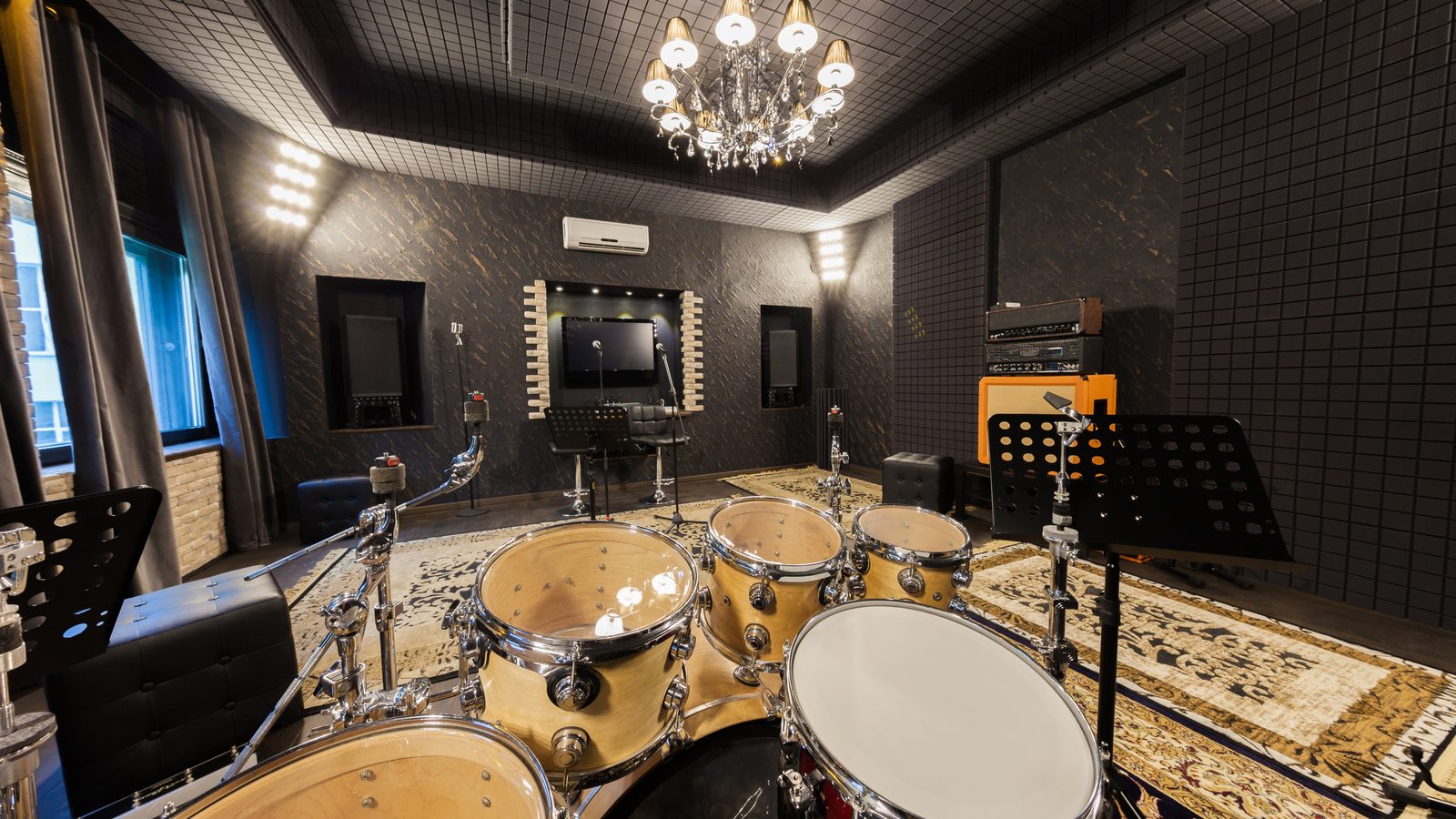
Find a space with some character that also sounds good. Rehearsal studios and small venues can work. So can village halls or pubs outside opening hours, and churches or barns. A setting that fits your music helps viewers believe in it. Always visit first. Check the sound and the light, and make sure there’s power and access.
You’ll need permission as well. For a venue, get written agreement from the owner or manager, and tell them what you’re filming and when. Filming outdoors? Some places that look public still need permission. Film London lists the Royal Parks, canal and river paths and railway stations among them, but its guidance covers London only, so check with the local council anywhere else. Private property always needs the owner’s consent.
Ask everyone who appears whether they’re happy to be filmed and to have the video published, including any guests or audience.
Audio first. Pick the best complete take of each song and mix it, and only after that cut the picture to fit. Sync every camera angle to the final track, using the waveform plus a clap or the camera audio as your reference.
Don’t try to hide a mistake with effects. If a take is uneven, use another one.
Here’s where one shoot pays you back many times over. Think of the full session as raw material, and cut it up into pieces for each platform.
Caption every clip, because lots of people watch with the sound off. YouTube lets you upload a caption file or type a transcript and have the timing set automatically, and you can add subtitles during the upload as well. For the wider picture on promoting your music, see our guide to marketing for musicians.
Promoters, wedding couples and event planners all want proof that you’ll deliver on the night. A clean live video gives them that in a couple of minutes. Put it at the top of your website, send the link whenever you enquire about a gig, and add it to your electronic press kit.
If you’re a function or wedding band, put together a short showreel cut of two or three minutes that covers different styles, with the full songs underneath. If you’re a singer-songwriter, lead with your strongest original. Either way, make it easy to find by putting one clear link in the same place in every message you send.
We can plan and film your session with multi-camera coverage and sound planning, and then edit the full performance and cut it into clips for your website and social media. Our live session videography for musicians page sets out what’s included. We agree a clear brief, scope and fee with you before any work begins.
Allow a full day for three or four songs. Setting up and soundchecking take longer than most people think. Leave time for several takes of each song, and give the musicians a break so the last performance is as strong as the first.
You should definitely have someone in charge of the audio, whether that’s a recording engineer or an experienced friend. A multitrack recording gives you the most control afterwards. Without one, go for a clean desk or room mix and test it carefully before you film.
Not necessarily. Lots of sessions are played straight through for authenticity and filmed more than once, so every camera gets full coverage, and then you choose the best take. One take on one camera also works if you want a simple, raw feel.
Yes, and it’s one of the best uses for it. Put the link in your enquiries and on your website and press kit. Promoters and clients can see and hear you in a few minutes, which makes deciding to book you far easier than reading a written description.
For most artists, three or four strikes the right balance. You get enough content without wearing out the performers. Pick songs that show your range. One upbeat and one stripped back make a good start, alongside your best-known track.
How independent UK artists can set up a YouTube channel, apply for an Official Artist Channel, use Shorts, go live, organise playlists and build a community.
How function and wedding bands can get found and booked: website and video, Google Business Profile, directories, honest reviews and fast enquiry handling.
How independent UK artists can use TikTok: choosing sounds, writing hooks, posting consistently, getting your own track onto the app and learning from analytics.
Four quick questions, and we’ll show you where we’d start. Your answers come straight to us with your message, so you won’t have to explain it twice.
A 30-minute introduction call on Microsoft Teams, Monday to Friday, 9am to 5pm. Your answers come with the booking, so we’ll be ready for you.
Prefer to talk it through? Make an appointment for a 30-minute call on Microsoft Teams, Monday to Friday, 9am to 5pm.
A closer look at the work behind each part of your plan.
We use analytics cookies to understand how visitors use our site. They are only set if you accept. Read our privacy policy.