FOR CONSULTANTS & ADVISERS
How does video marketing for consultants build trust?
Why video helps advisers win trust, which types of film work, where to use them and how to feel comfortable on camera.

Why professional headshots matter for consultants, what makes a good one, where to use it and how often to update it.
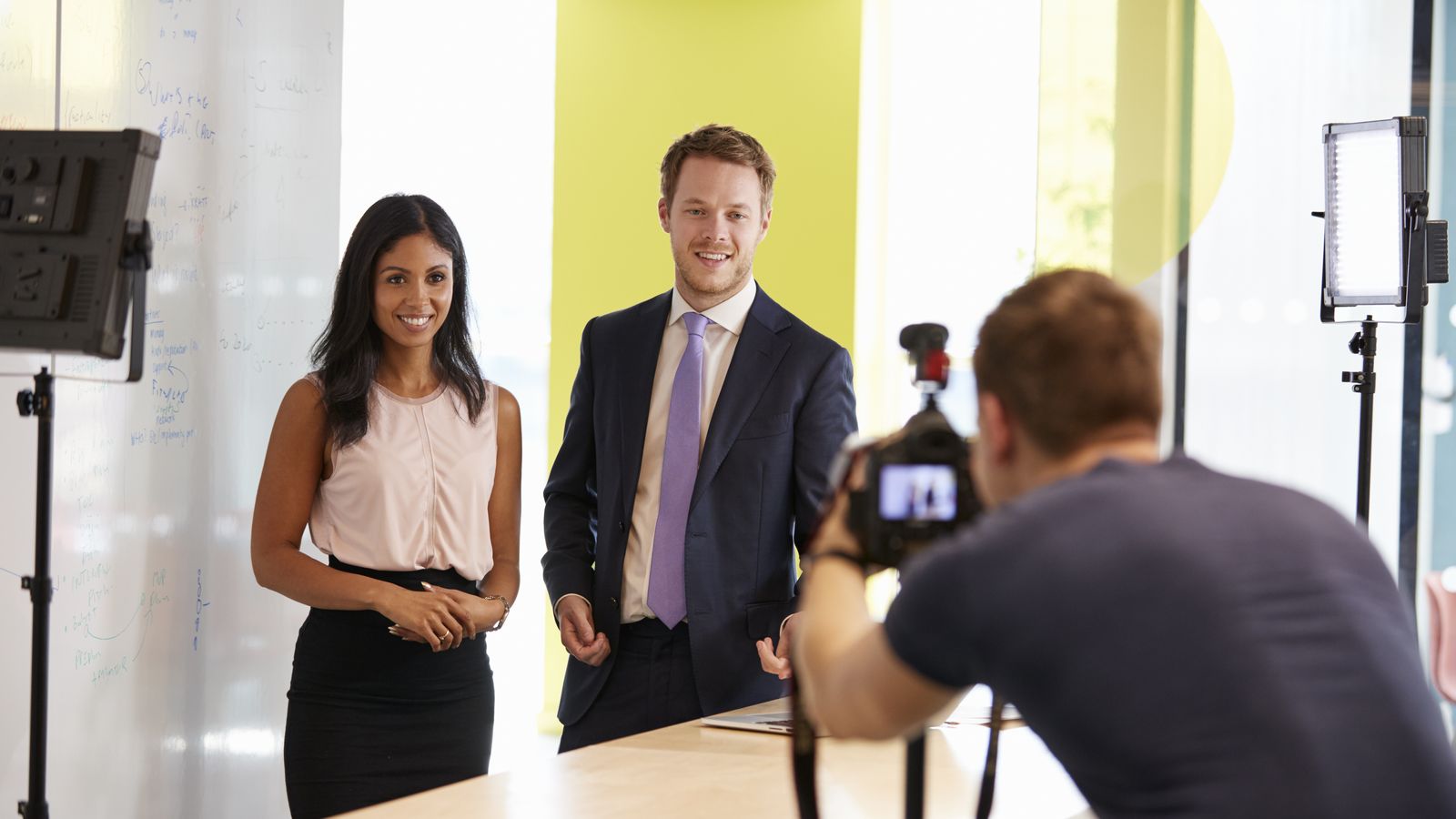
Professional headshots for consultants count because clients usually look you up before speaking to you. A good headshot is recent and looks like you on a normal working day. It’s sharp, well lit and simply framed. Use it on your website, LinkedIn, proposals and speaker pages. Refresh it every two to three years, or sooner if your look changes.
When a business picks an adviser, the first step is hardly ever a phone call. Someone searches your name, glances at your website and clicks through to your LinkedIn profile, and in every one of those places your face is the first clue a stranger gets about what working with you might be like. That’s the whole case for professional headshots for consultants.
This guide explains why the photo is worth doing properly and what separates a good one from a forgettable one. It also covers where to use it and how often to update it. It’s written for independent consultants and advisers in the UK, and for small consultancies.
Consultants sell judgement and experience, and above all trust. A client can’t handle any of that or try it before buying. With so little to go on, small signals carry a lot of weight. A sharp, current portrait suggests someone established and careful who’s easy to deal with. A cropped holiday snap or a blurry selfie, or no photo at all, can plant a quiet doubt. Is this person really as organised as they say?
There’s a plain commercial side too. Buyers often want to know who’ll actually turn up. A face they recognise makes a prospect feel they’ve already met you, so the first conversation is warmer and shorter. If you sell advice as a person, as we discuss in our guide to personal branding for consultants, your portrait does a good share of the introductions for you.
Here’s the test. If a client met you tomorrow, would they recognise you from the photo? Your hair and glasses should match the photo. So should any beard, and your general look. A ten-year-old photo, however flattering, sets up a small letdown at the first meeting.
Soft, directional light flatters most faces. Your eyes should be sharp. Leave enough space around your head for the image to be cropped as a square, a circle or a wide banner without losing anything important. A photographer checks this while they shoot, which is far easier than trying to rescue it later.
Go for relaxed and engaged. A posed grin looks like exactly that. Lots of consultants find their most natural expressions come out while they’re chatting to the photographer, not staring down the lens. Thinking about a particular client you like working with helps.
Dress as you would for an important client meeting, then go one notch smarter. Solid colours usually photograph better than busy patterns. A neutral, uncluttered background keeps the attention on you. An office or studio wall, or an outdoor setting, can add context if it fits your field. A finance adviser and a creative coach might quite sensibly choose very different looks.
One image rarely covers every job. A small set might include a formal version and a relaxed one, a tight crop for small avatars, and a wider shot that leaves space for text on a website or a slide.
Use the same recognisable image, or a closely matched set, everywhere clients might come across you:
Check each platform’s requirements before you upload. LinkedIn’s help centre says profile photos must be PNG or JPG files of up to 8MB, between 400 x 400 and 7680 x 4320 pixels, and that the photo must reflect your likeness. A professional shoot normally comes back at a resolution well above those limits, so you can resize for each use and keep the full-size originals somewhere safe.
Every two to three years is a sensible rhythm. Update sooner after a big change, like a new hairstyle or glasses, a rebrand, a new business or a move into a different market. Treat that as guidance, not a rule. What you’re aiming for is a photo that always matches the person who walks into the room.
When you do update, change it everywhere in the same week. A new photo on LinkedIn next to an old one on your website or in a proposal template looks careless, and the old one is easily the image a prospect remembers.
A modern phone can take a decent snapshot, and that’s fine for a quick stopgap. For the portrait that will represent your business for the next few years, a photographer brings things that are hard to manage alone. They control the light and direct your posture and expression. You get a choice of backgrounds, and you can change outfits several times in one session. They also edit the final selection to a consistent standard and supply files sized for different uses.
If your fees reflect expertise, your image should keep up with them. The photograph costs far less than one lost enquiry from somebody who decided you looked out of step with your prices. Our photography for consultants service includes portraits as part of a wider set.
We have working photographers on our team who can shoot your portraits and a wider set of working images, so your business looks the same wherever clients find you. Have a look at our professional photography for consultants and get in touch to talk through what you need. We agree a clear brief, scope and fee with you before any work begins.
You can get by without one, but it’s a risk you don’t need to take. Clients judge advisers fast, often on thin evidence, and a sharp, current photograph is one of the cheapest ways to look established. People will see it on your website and LinkedIn, and in your proposals, for years. That usually makes it one of the best-value things you can commission.
Usually, yes, as long as it’s natural. A relaxed, real expression suggests you’re approachable, which counts when you’re asking someone to trust your advice. If a big smile feels forced, a slight one with warm eyes works just as well. Ask the photographer to take a range and pick the one that looks most like you mid-conversation.
Yes, and you should. The same image, or closely matched versions from one session, helps people recognise you wherever they find you. You might use a tighter crop on LinkedIn and a wider one on your website. Even so, the face and clothes should match and the style should feel consistent.
Wear what you’d wear to meet an important client, slightly smarter. Plain, solid colours that suit your skin tone usually work best. Busy patterns or large logos can distract. Bring a couple of options that fit comfortably and are pressed, and don’t wear anything for the first time on the day.
A straightforward portrait session often takes around an hour. That includes setting up and changing outfits, plus some time for you to relax into it. If the session also covers working shots or a second location, it’ll take longer. Your photographer should confirm timings and what you’ll receive when you agree the brief.
Why video helps advisers win trust, which types of film work, where to use them and how to feel comfortable on camera.
What thought leadership is for consultants, how to find a point of view, which formats suit you and how to prove your expertise.
How independent consultants can rank for the services and problems they solve, using topic pages, genuine expertise signals and earned links.
Four quick questions, and we’ll show you where we’d start. Your answers come straight to us with your message, so you won’t have to explain it twice.
A 30-minute introduction call on Microsoft Teams, Monday to Friday, 9am to 5pm. Your answers come with the booking, so we’ll be ready for you.
Prefer to talk it through? Make an appointment for a 30-minute call on Microsoft Teams, Monday to Friday, 9am to 5pm.
A closer look at the work behind each part of your plan.
We use analytics cookies to understand how visitors use our site. They are only set if you accept. Read our privacy policy.