FOR INFLUENCERS & PUBLIC FIGURES
How to design YouTube thumbnails that look like you
YouTube thumbnail design for UK creators: the official specs, a recognisable template system, faces, type and colour, and how to test thumbnails properly.

A UK creator's guide to filming sponsored content: reading the brief, keeping your voice, getting approvals and labelling the ad clearly.
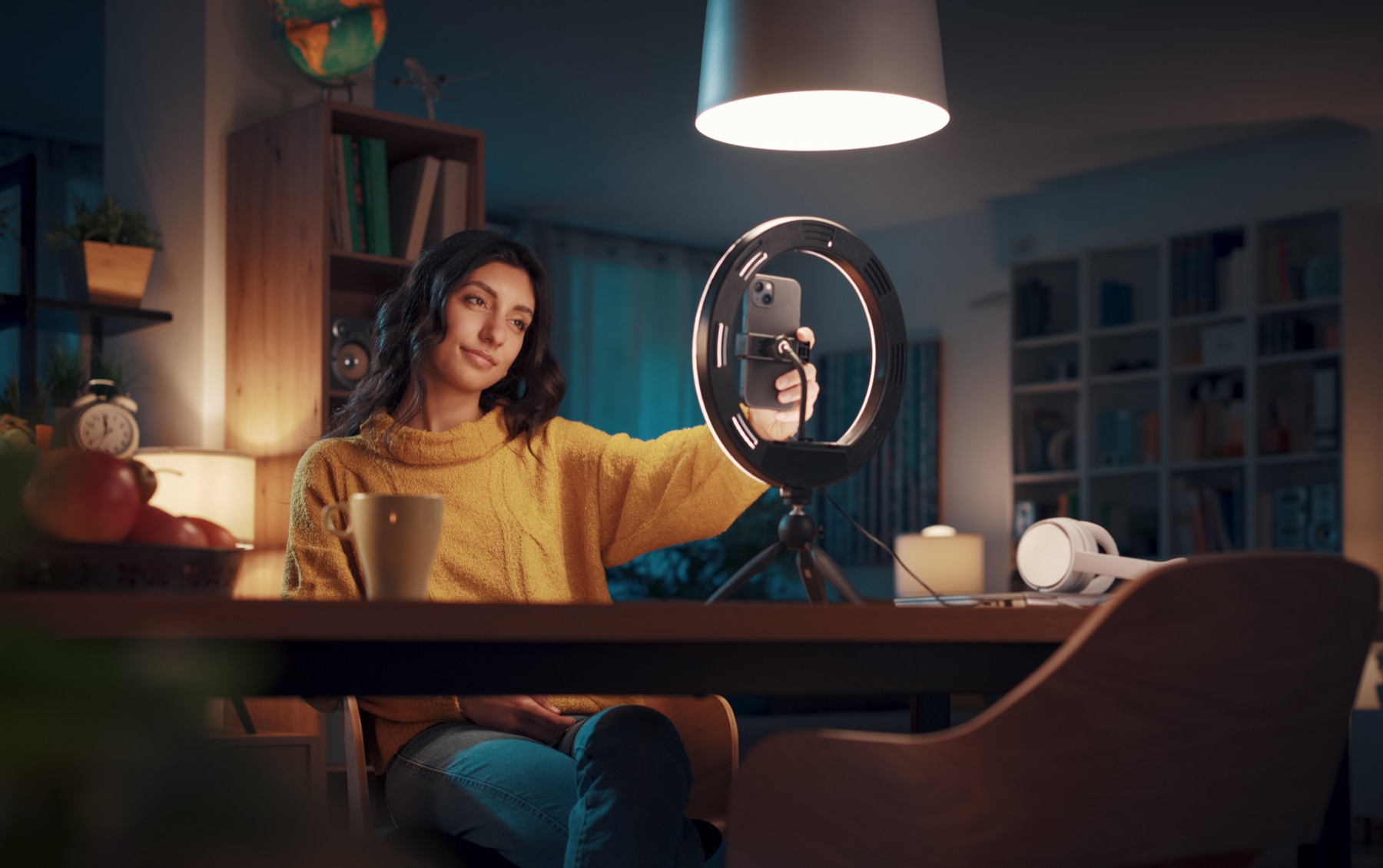
To learn how to film sponsored content that still feels like your own, start from a format your audience already loves and fit the brand’s key message into it, rather than building the video around the product. Agree the brief and deliverables in writing, film the brand’s must-have shots first, keep your usual pace and voice, and label the video clearly as an ad from the start. Your audience stays, and the brand sees content that performs.
Think of the best partnership you have ever posted. The comments were about the video, not the fact that it was an ad. The brand emailed afterwards to ask about the next one. And you were proud of it, because it looked and sounded like everything else on your channel.
That doesn’t happen by luck. It comes from how you read the brief, how you plan the shoot and how honestly you tell people it is an ad. Here is how to do each.
Sort everything in the brief into three piles:
Ask questions early: which claims you may make, whether competitors can appear in the background, how many rounds of approval there are, and what the brand plans to do with the content afterwards. If the brief reads like a script, ask whether you can put it in your own words. Most brands book you for the way you speak to your audience.
Product shots are where sponsored videos most often look like adverts. A few habits keep them in your style:
For vertical video, keep the product, your face and any text inside the safe area, where captions and buttons won’t cover them. TikTok publishes downloadable safe zone templates alongside its recommended 9:16 format.
Clearly, and from the start. If a brand gives you a payment or other incentive, the ASA says content featuring the brand needs to be obviously identifiable as advertising. In practice:
Saying it out loud early in the video, in your own words, is good practice too. The ASA and CAP’s influencers’ guide to making clear that ads are ads covers incentives, affiliate links and more, and our guide to UK influencer ad rules goes into the detail.
Deliver on time, hit every must-have and send a short note afterwards with what the brand can’t see: saves, shares, the themes in your comments and the questions people asked in your messages. Offer useful extras, such as alternative hooks or a cut-down, and be clear about what any extra use of the content involves. If the brand wants to run your video as a paid ad, that is a separate permission with its own terms.
For a single Reel, your own setup is often perfect. For partnerships with several deliverables, a long-form YouTube integration or content the brand will run as ads, a second person behind the camera protects the quality and your deadline. Our guide to when to hire a videographer as a content creator explains the trade-offs, and our videography for influencers covers brand content filmed to the brief. It all works best as part of a wider plan for marketing for influencers, so partnerships sit naturally among everything else you post.
We want your next partnership to feel like one of your own videos, and to leave the brand asking when you are free again. We began as the in-house team of co-founder Jack Cartwright, the bestselling author, filming his videos and running his ads, so we understand both sides of a brief. Our videography for influencers films brand content to the brief and in your voice, with every cut the brand needs. A clear brief, scope and fee are agreed before any creative work begins.
A gift can still be an incentive, and the ASA’s starting point is that content about a brand that has given you a payment or other incentive must be obviously identifiable as advertising. The ASA and CAP influencers’ guide explains what counts as a payment, incentive or commercial relationship. If in doubt, label it.
It can ask, but scripted content rarely sounds like you, and audiences notice. Offer to cover every key message in your own words, and agree which product claims must be phrased exactly, often for legal reasons. Most brands accept this, because they booked you for the way you talk to your audience.
Not always. The ASA says a platform tool such as Instagram’s “Paid partnership” label may be enough when it is upfront, clear and prominent, but its 2026 research found it may not be enough on its own. Adding “Ad” at the start of the caption or on screen removes the doubt.
Agree a number in writing before you film, commonly one or two, with extra rounds or reshoots charged separately. Ask the brand to send feedback in one consolidated message, so you are not editing to several people’s comments, and set a date by which feedback must arrive to keep the posting date.
Usually for the posts the deal covers, but outtakes featuring the product can be a grey area. Check the contract for clauses on unused footage and exclusivity, and ask before posting product shots outside the partnership, especially once the campaign has ended. When it’s reused, it still needs labelling.
YouTube thumbnail design for UK creators: the official specs, a recognisable template system, faces, type and colour, and how to test thumbnails properly.
When ads for influencers are worth paying for in the UK: launching your own product, growing a newsletter, and when boosting a post is a waste…
What influencer whitelisting means for UK creators: how partnership ads work on Instagram, TikTok and YouTube, what access you give and what to agree first.
Four quick questions, and we’ll show you where we’d start. Your answers come straight to us with your message, so you won’t have to explain it twice.
A 30-minute introduction call on Microsoft Teams, Monday to Friday, 9am to 5pm. Your answers come with the booking, so we’ll be ready for you.
Prefer to talk it through? Make an appointment for a 30-minute call on Microsoft Teams, Monday to Friday, 9am to 5pm.
A closer look at the work behind each part of your plan.
We use analytics cookies to understand how visitors use our site. They are only set if you accept. Read our privacy policy.