FOR INFLUENCERS & PUBLIC FIGURES
How to design YouTube thumbnails that look like you
YouTube thumbnail design for UK creators: the official specs, a recognisable template system, faces, type and colour, and how to test thumbnails properly.

The moments when a UK content creator should hire a videographer, from YouTube films to brand content, and what to agree before filming starts.
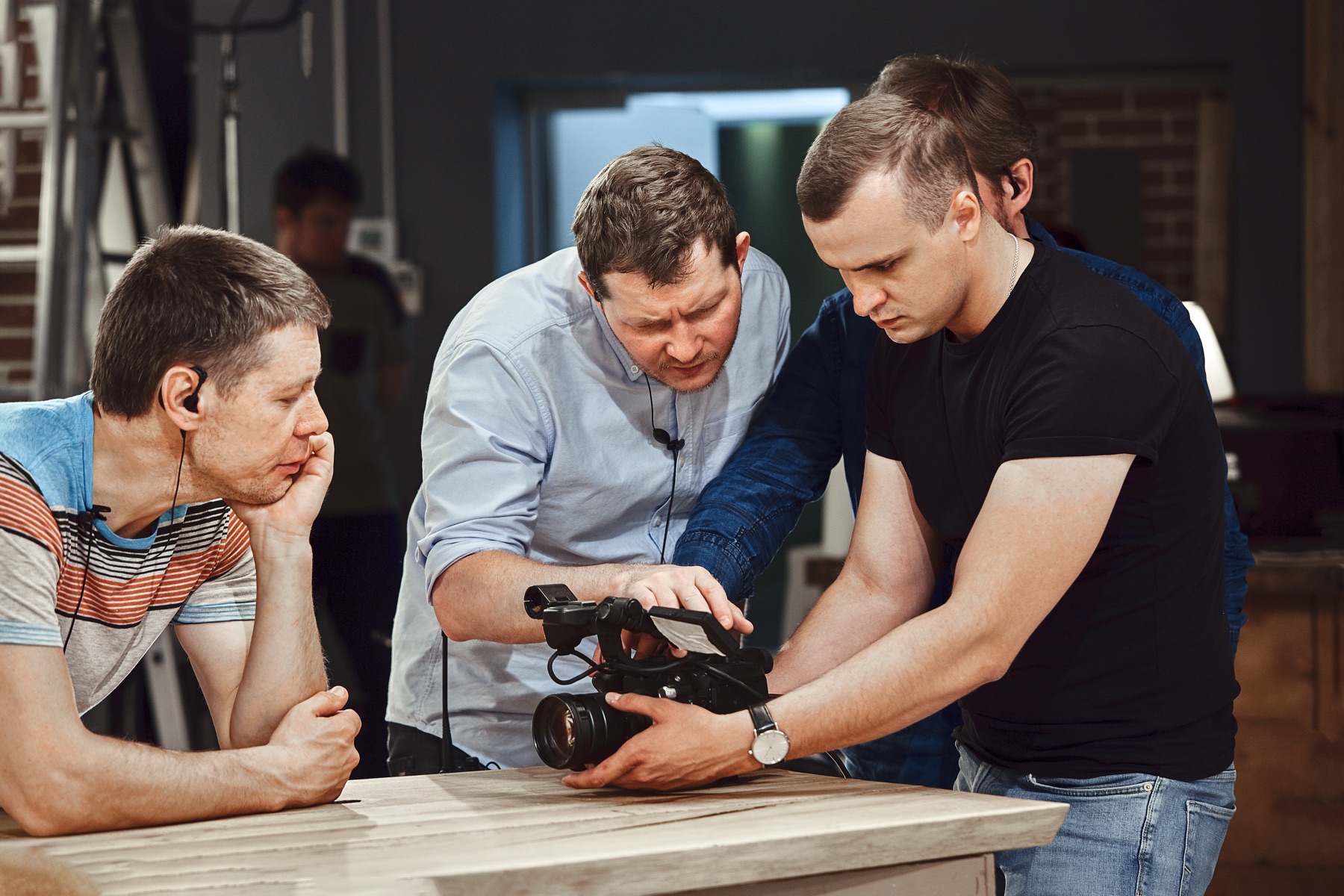
Hiring a videographer for content creators makes sense when a video has to work hard for a long time: a YouTube film you want to stand out, a brand partnership with high production expectations, a launch, or a content day where you need someone else behind the camera. For everyday Reels, TikToks and stories, filming yourself is usually better. The skill is knowing which videos deserve the extra crew.
There is a particular relief in watching back an idea that looks exactly as it did in your head. The light falls the way you pictured, the sound is clean, the cut moves at the pace you imagined, and for once you were in the moment rather than checking the frame between every take.
That is what a good videographer gives you. It is not right for every video, and it shouldn’t be. Here is how to tell when it is worth it, what to agree, and how to get the most from the day.
The biggest change for most creators is being able to stay present. You cook, style, present or talk, and someone else is watching focus, framing and light.
These are the moments where professional filming tends to pay back, and the work our videography for influencers is built around.
A channel trailer, the first episode of a series, or a film people will find in search for years. These set the tone for everything else on your channel.
When a brief asks for several deliverables, cut-downs for different platforms, or content the brand plans to run as ads, a second pair of hands protects both the quality and your deadline.
A product, a collection, a book or an event deserves a film that shows where it came from. It will be watched on launch day and long after.
If a photographer is already shooting, adding a videographer captures clips and behind-the-scenes footage on the same sets, with no extra styling.
Events, trips, talks and the people around you. You can’t host and film at the same time.
Most of the time. Short-form video depends on speed, spontaneity and the sense that you are talking straight to your audience. Daily stories, quick reactions, trend formats and casual vlogs usually work better shot on your phone, and a polished finish on everything can even put distance between you and the people who follow you. Our guide to a content creator setup covers how to make self-shot videos look and sound good.
A professionally filmed piece earns its place through reuse, not a single post:
Plan the reuse before you film. YouTube treats square or vertical videos up to three minutes long as Shorts and suggests 16:9 for long-form, so tell your videographer which formats you need and they can frame for both or run a second camera. A sharp still from the set also makes a stronger thumbnail: YouTube recommends 16:9 thumbnails for videos and 9:16 for Shorts. This is how filming becomes part of a joined-up plan for marketing for influencers rather than a one-off cost.
| Item | What to agree |
|---|---|
| Deliverables | The number, length and format of each edit: long-form, vertical clips, cut-downs |
| Timeline | Shoot date, first cut, rounds of changes, final delivery |
| Music | Who licenses it, and whether it can be used if a brand runs the video as an ad |
| Raw footage | Whether you receive it, in what form and for how long it is kept |
| Usage | Where you, and any brand partner, may use the finished videos |
| Credit | Whether and how the videographer is credited |
Ownership is the line creators most often skip. For commissioned photographs, the Intellectual Property Office says copyright will usually remain with the photographer unless agreed otherwise in a signed written contract, so do not assume video works differently: who owns the footage and what you may do with it depends on your agreement. It also lasts: GOV.UK says copyright in a film runs until 70 years after the death of the director, screenplay author and composer. Our guide to usage rights for influencers explains licences and assignments.
There is no standard rate, but the drivers are predictable: the length of the shoot, the number of crew and cameras, travel and locations, how complex the edit is, how many versions you need, how quickly you need them, and whether music or footage will be licensed for paid ads. Ask for a quote that separates filming from editing, so you can see where the money goes and decide what to keep in-house.
We want you to watch your next big video and recognise it as exactly what you imagined. We started as co-founder Jack Cartwright’s in-house team, filming and editing his videos alongside his social media and ads, and our videographer, Callum, now films studio pieces and documentary-style interviews. Our videography for influencers covers YouTube films, brand content and clips from every shoot. A clear brief, scope and fee are agreed before any creative work begins.
No. Many channels grow on self-shot video, and your ideas, titles, thumbnails and consistency matter more than production. A videographer helps most with flagship videos, channel trailers and series where a higher finish suits the content and gives viewers a reason to stay.
Yes, if it is planned. Long-form YouTube is usually widescreen, while Reels, TikTok and Shorts are vertical. A videographer can frame for both, run a second camera or leave room to crop, but they need to know which formats you want before the day, not after it.
It is useful if you edit your own clips or want to reuse footage later, but it is not always included and the files are large. Agree in advance whether you will receive raw footage, selected clips or only the finished edits, and what you are allowed to do with each.
As early as you can for anything tied to a date, such as a launch or a brand deadline. Planning, filming and editing all take time, and a brand may need to approve a first cut. Allow for at least one round of changes in your timeline, plus a little breathing room.
Some do both, and stills can be pulled from high-quality footage, but a dedicated photographer will usually give you better images. If you need both, plan a combined content day with a photographer and videographer working on the same sets, so neither has to compromise.
YouTube thumbnail design for UK creators: the official specs, a recognisable template system, faces, type and colour, and how to test thumbnails properly.
When ads for influencers are worth paying for in the UK: launching your own product, growing a newsletter, and when boosting a post is a waste…
What influencer whitelisting means for UK creators: how partnership ads work on Instagram, TikTok and YouTube, what access you give and what to agree first.
Four quick questions, and we’ll show you where we’d start. Your answers come straight to us with your message, so you won’t have to explain it twice.
A 30-minute introduction call on Microsoft Teams, Monday to Friday, 9am to 5pm. Your answers come with the booking, so we’ll be ready for you.
Prefer to talk it through? Make an appointment for a 30-minute call on Microsoft Teams, Monday to Friday, 9am to 5pm.
A closer look at the work behind each part of your plan.
We use analytics cookies to understand how visitors use our site. They are only set if you accept. Read our privacy policy.