FOR ARTISTS & CREATIVES
What Should a Photography Website Include? A Page-by-Page Guide
A page-by-page checklist for UK photographers: home page, galleries, about, pricing, testimonials, booking, blog and legal pages.

What behind the scenes photos to capture, how consent works when clients appear in frame under UK GDPR, and where to use the images.
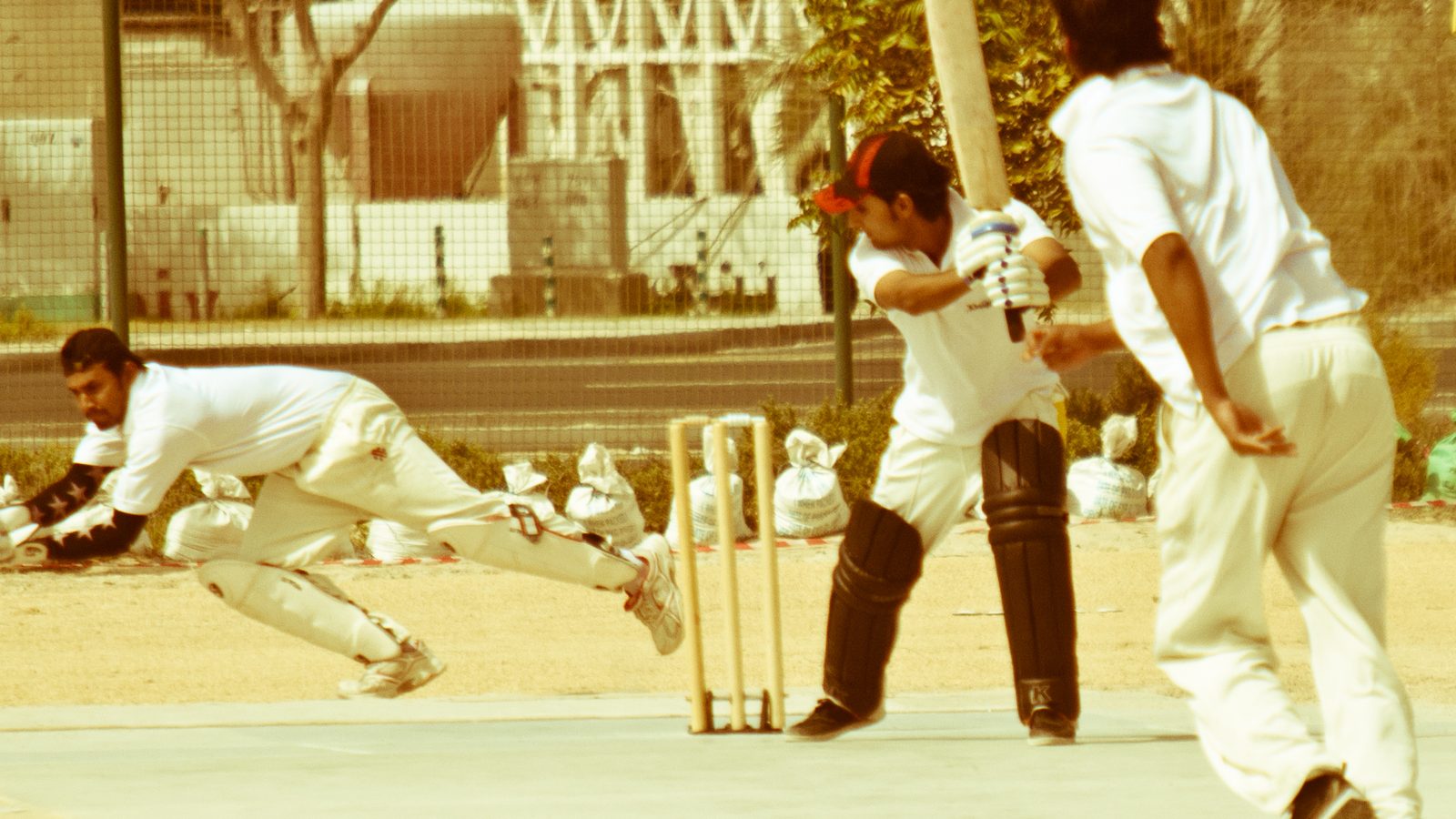
Behind the scenes photos show prospective clients what booking you is really like: how you set up, how you talk to people and how calm your sessions feel. Photograph your process and preparation, plus your kit. Keep clients out of shot unless they’ve agreed, then use the images on your website and Google Business Profile, and on social media.
Your portfolio shows the result. It can’t show the experience, and for lots of clients the experience is the thing they’re paying for. Will this photographer put my nervous child at ease? Will they arrive on time? When the light goes wrong, will they know what to do?
Behind the scenes photos answer all of that without a sales pitch. They also bring up a legal question your portfolio shots usually sidestep, because the moment a client appears in the frame you’re handling images of identifiable people. This guide covers the creative side and the data protection side, for photographers working in the UK.
Any image showing the work that goes on around the picture, as opposed to the finished picture. It could be a quick phone shot of you setting up a light or a short clip of you walking a venue before a wedding. It could be your edit screen at the end of a long day.
Honest ones work best. A tidy, believable glimpse of how you work persuades far more people than a staged shot of a photographer gazing thoughtfully at a sunset.
Think about the worries a nervous client has. Then show them the evidence that puts those worries to rest.
Get a friend or an assistant to take them, or even a colleague from a different line of work. A simple phone picture is fine as long as it’s sharp and tidy. For a more considered set of you at work, a planned brand photography session for photographers can capture them alongside your portraits.
If clients can be identified in the image and you mean to publish it, think hard about data protection. The ICO says personal data is any information relating to an identified or identifiable person. A clear image of someone who can be recognised is likely to count, so you need a lawful basis for using it.
The ICO lists several lawful bases and says no single basis is better or more important than the others. For marketing images, you’re realistically choosing between consent and legitimate interests. You have to decide on the basis before you start using the information, the ICO notes, and you can’t usually switch from consent to a different basis later on.
Treat this as general information. It isn’t legal advice. If your situation is complicated, for instance images of children or sensitive settings, talk to a qualified adviser or the ICO.
For marketing use, the simplest route is to ask clients to opt in. According to the ICO, valid consent has to be:
Think of the form as a record. It won’t magically protect you. Keep it short and plain. Say what you photograph and where you might use the images (website, social, print, advertising), for how long, and how a client can withdraw. Give a separate tick box for each use, so a client can say yes to your website and no to paid adverts. Store the signed copies somewhere you’ll be able to find them.
Take extra care. With children, ask the parent or guardian and be cautious about what you share. With bystanders at a venue, avoid frames where they’re the subject, and keep them out of anything you publish wherever you can.
Plan for it from day one. The ICO states that people must be able to withdraw consent easily, and once they do, you should stop the processing as soon as you can. In real terms, you take the image off your website and out of any scheduled posts, and you don’t reuse it anywhere new. Withdrawal doesn’t make your earlier use unlawful.
Keep a short process ready. You need a named contact and an email address. Add a note in your files, too, so nobody uses the image again by accident.
Put them on an About page or a “what to expect” page. Pair a few images with a plain description of how a booking works, from first enquiry through to delivery. Place it close to your enquiry form so it’s the last thing a hesitant visitor sees.
Google says photos and videos can show customers what you offer and tell the story of your business. Shots of you working, of your studio or your set-up, give a prospective client a quick feel for who they’d be hiring.
This material suits stories, short reels and carousels best, because those formats feel informal. A weekly “this is how we prepare” post is much easier to produce than a polished campaign. If you’d like help planning it, have a look at our social media for photographers page.
Drop two or three images into your welcome pack so clients can picture the day. It sets expectations. It also calms nerves before you’ve even met.
Tell clients beforehand that you might take a few behind the scenes images, and that they’re free to say no. Then keep it quick: one or two frames and straight back to the job.
Better still, shoot your set-up before anyone arrives. That takes the consent question off the table completely. If you have an assistant, hand them the camera for these so you can stay with the client.
And review everything before you post it. Look in the background for faces and screens, for addresses, and for other clients’ work that shouldn’t be there.
As part of our photography for photographers service, we can help you plan a set of images that show what working with you is like, then use them across your website and profiles. To see how this fits into your wider promotion, read about our marketing for photographers. We agree a clear brief, scope and fee with you before any work begins.
If clients are recognisable and you plan to publish, you need a lawful basis, and for marketing the clearest route is written opt-in consent. Images that show only you or your kit, or an empty set-up, don’t raise the same issue. Keep any signed forms on file so you can prove what was agreed.
It’s risky. An image of an identifiable person is likely to be personal data, so you need a lawful basis before publishing it. Asking first and recording the answer is the safest approach, especially with children. If you’re in any doubt, leave the person out or get advice.
Take the image down as soon as you reasonably can and don’t reuse it. The ICO says people must be able to withdraw consent at any time, and that earlier processing doesn’t become unlawful as a result. Make sure your consent form explains how to withdraw and who to contact.
Only if your consent covers adverts. Ask for separate permission, because advertising is a different use from your website or an organic post. If your form says nothing about paid promotion, don’t put identifiable client images in ads without asking again.
Only with clear agreement from a parent or guardian, and not often. Be careful about what you share and where. Many photographers keep it simple: show the set-up and props, and your own hands at work. Leave children’s faces out of it.
A page-by-page checklist for UK photographers: home page, galleries, about, pricing, testimonials, booking, blog and legal pages.
Video shows clients who you are as well as what you shoot. Learn which types of video to make and where to use them on your…
Concrete Reels ideas for UK photographers, with a simple structure, length limits and music cautions.
Four quick questions, and we’ll show you where we’d start. Your answers come straight to us with your message, so you won’t have to explain it twice.
A 30-minute introduction call on Microsoft Teams, Monday to Friday, 9am to 5pm. Your answers come with the booking, so we’ll be ready for you.
Prefer to talk it through? Make an appointment for a 30-minute call on Microsoft Teams, Monday to Friday, 9am to 5pm.
A closer look at the work behind each part of your plan.
We use analytics cookies to understand how visitors use our site. They are only set if you accept. Read our privacy policy.