FOR ARTISTS & CREATIVES
What Should a Photography Website Include? A Page-by-Page Guide
A page-by-page checklist for UK photographers: home page, galleries, about, pricing, testimonials, booking, blog and legal pages.

Your process is the most interesting thing you make. Here are simple ways to film it, share it and turn quiet studio hours into content people watch.
Behind-the-scenes video shows people how your work comes to life. It builds trust without a hard sell. Good places to start are time-lapses from blank to finished, close-ups of your materials or tools, and short explanations of a decision. Studio tours and packing orders work too. Film on a phone with solid framing and good light, and post regularly.
Finished work shows people what you can do. The process shows them who you are, and why your work costs what it does. That’s why behind-the-scenes video comes so naturally as marketing for artists and makers. You aren’t inventing anything. You’re recording what already goes on in your studio.
This guide covers what to film and how to film it simply. Then it looks at turning the footage into short videos people actually watch, and at when a professional is worth the money.
It answers the questions buyers have but seldom ask out loud. How long does this take? What’s it made from? Why is this handmade piece different from a cheaper one? Once people have seen the hours and the skill that go into a piece, and the care, they understand its value before they ever see a price.
It takes the pressure off you, too. Lots of creatives find self-promotion excruciating. Filming your hands at work doesn’t feel like self-promotion in the usual sense, though. You’re just letting people watch. For more on building a brand that feels natural, read the guide to personal branding for creatives.
You don’t need a film crew to get going. A modern phone and a few good habits will take you a long way.
First, keep the phone still. A small tripod or a clamp mount makes the single biggest difference to how your footage looks, because shaky video is hard work to watch.
Then sort the light. Work near a window if you can, and try not to mix daylight with the warm overhead bulbs most studios and kitchens seem to come with as standard. When the light stays consistent, your clips cut together far more easily.
Shoot vertical for social, since most short-form video gets watched on a phone held upright. Get in close as well. Hands and tools are more interesting than a wide shot of you at a desk, and so are textures.
Record far more than you need. Leave the camera running while you work and pick out the best moments afterwards.
Think about sound. The natural noise of making, like a pencil scratching or a wheel turning or a sewing machine rattling, often beats music. If you talk to camera, a small clip-on microphone helps enormously.
Take care with music. Use original audio, the platform’s licensed library, or tracks you have the right to use. Check the platform’s current rules for business accounts too.
As long as it holds attention, which is usually shorter than you’d guess. Instagram stretched Reels to up to three minutes in January 2025, having capped them at 90 seconds before that (Social Samosa). So you’ve got room. Treat it as a ceiling. It isn’t a target.
| Format | Typical use | What to aim for |
|---|---|---|
| Very short clip | A single satisfying moment, a material close-up | A few seconds that loop well |
| Short process video | Blank to finished, packing an order | Clear start and end, cut tight, no slow intro |
| Explainer | A decision, a technique, a common question | One idea, said simply, with process footage over it |
| Longer piece | A commission story, a studio film | A real story arc; this is where professional help pays off |
Whatever the length, open on the most visually striking moment. People decide in a flash whether to keep watching.
Often enough that people start to expect them, at a pace you can keep up alongside the actual work. Batching helps. Film as you go through a normal week of making, then sit down for one session and edit several short videos at once. A simple weekly rhythm works well with very little planning: one making video, one thinking video, one finished piece.
If you’d like someone else to handle the planning and editing as well as the publishing, social media management can take it off your hands, using the footage you already shoot.
Phone footage is perfect for everyday social posts. Bring in a professional when the video has a bigger job to do, such as:
You’re weighing cost and planning against quality and how long the footage will last. Plenty of creatives get the best of both by booking one well-planned professional shoot, then filling the gaps with their own phone footage over the months that follow. Working out where video fits next to a website and photography? The guide to what order to build a personal brand in might help.
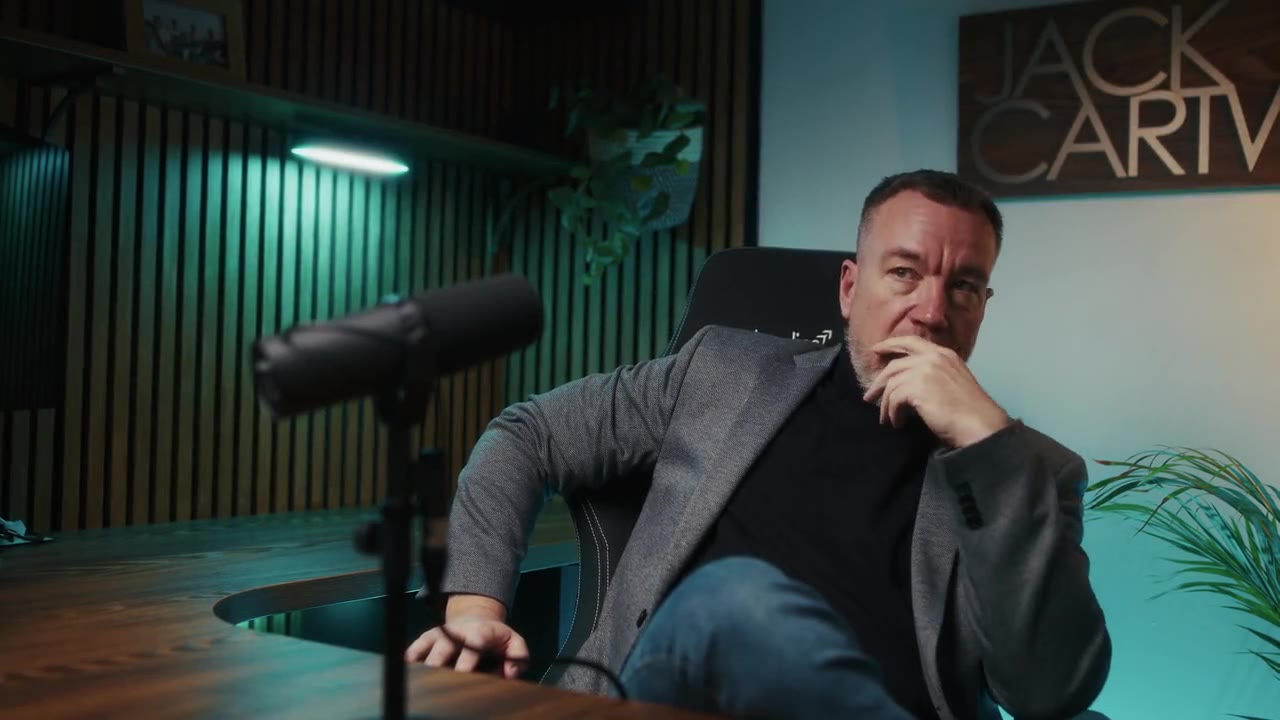
We make brand films and documentary-style series, plus social video. That includes a documentary-style series with author Jack Cartwright. We can turn your process into a library of clips that lasts for months. If you’d like help posting it consistently, our social media management covers strategy and content as well as publishing, and we agree a brief and scope up front, along with the fee, before any work begins. Photographers, take a look at videography for photographers, which is all about films of you capturing the moment.
No. Lots of successful process videos show nothing but hands and tools, plus the work itself. Showing your face now and then can help people connect with you. It’s your call, though.
That’s exactly what time-lapse and editing are for. A process that takes days can play out in seconds. Repetitive tasks can be oddly satisfying to watch when they’re cut tight. Pick the moments where something visibly changes.
Probably not, though it’s a fair worry. Most makers find that showing their process builds more value than it gives away, because the skill lies in doing the thing. Knowing how isn’t enough. If a technique really is your secret, film around it. Keep that part out of shot.
You need a phone, a small tripod or clamp mount and decent natural light. That’s enough. Add a clip-on microphone if you plan to talk to camera. Only upgrade once you know which kind of video you make most.
Either works. Some people watch with the sound off, so on-screen text helps regardless. If you’re happy talking, a short voiceover explaining a decision adds personality. If you’re not, captions work fine with natural sound.
A page-by-page checklist for UK photographers: home page, galleries, about, pricing, testimonials, booking, blog and legal pages.
Video shows clients who you are as well as what you shoot. Learn which types of video to make and where to use them on your…
Concrete Reels ideas for UK photographers, with a simple structure, length limits and music cautions.
Four quick questions, and we’ll show you where we’d start. Your answers come straight to us with your message, so you won’t have to explain it twice.
A 30-minute introduction call on Microsoft Teams, Monday to Friday, 9am to 5pm. Your answers come with the booking, so we’ll be ready for you.
Prefer to talk it through? Make an appointment for a 30-minute call on Microsoft Teams, Monday to Friday, 9am to 5pm.
A closer look at the work behind each part of your plan.
We use analytics cookies to understand how visitors use our site. They are only set if you accept. Read our privacy policy.