FOR CONSULTANTS & ADVISERS
How does video marketing for consultants build trust?
Why video helps advisers win trust, which types of film work, where to use them and how to feel comfortable on camera.

How consultants can plan, film and edit a client testimonial video, with advice on consent, approvals and keeping claims honest.
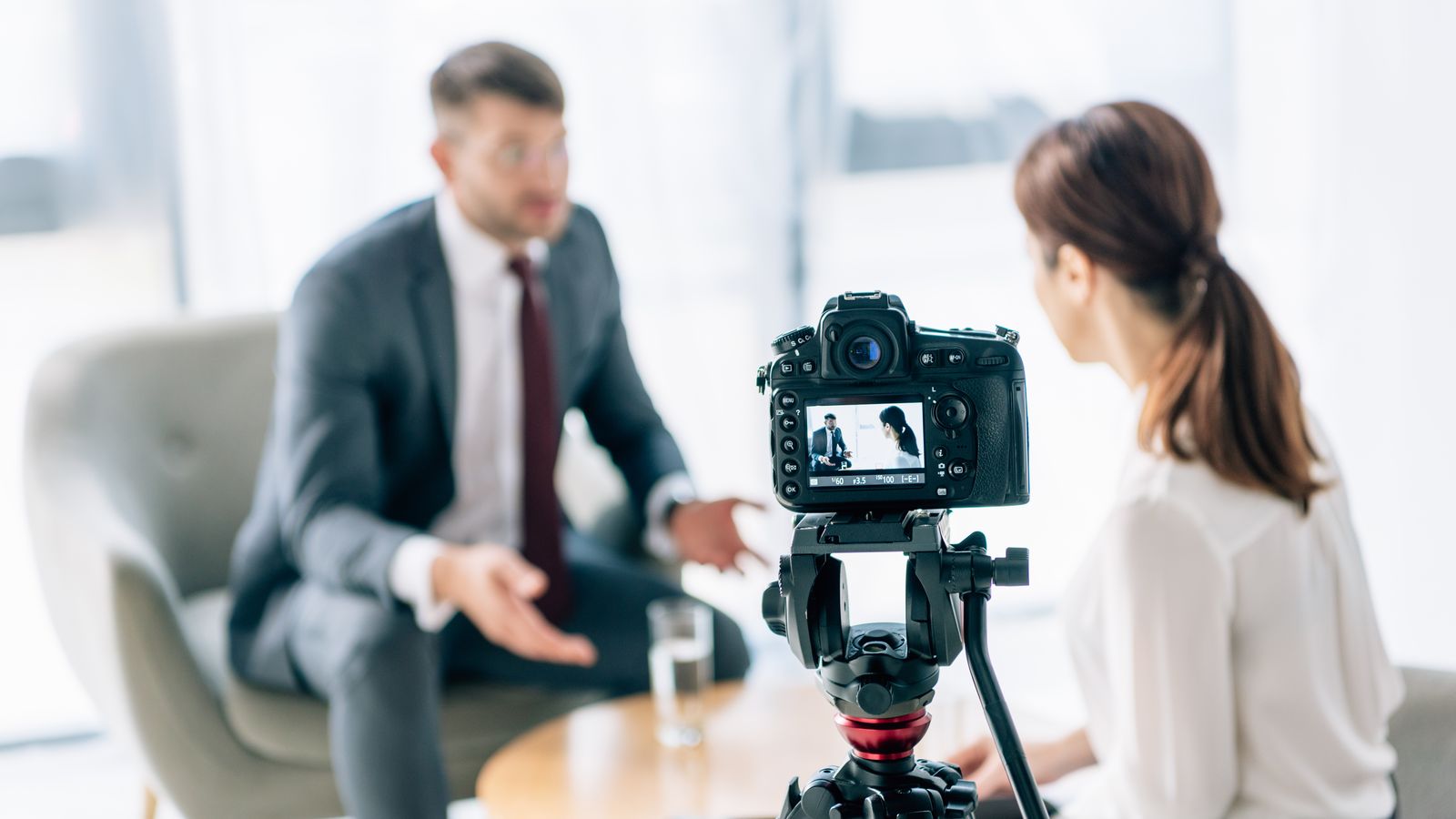
A good client testimonial video starts with picking the right client, then planning a short, relaxed interview around open questions about their situation, the work and the result. Get written permission before you film, and again once they’ve seen the edit. Keep every claim truthful and specific, then use the finished film on your website and LinkedIn, and in proposals.
For a consultant, a written testimonial is useful. A client testimonial video is stronger. Prospects watch a real person talking in their own words, which is hard to fake and easy to believe. If you’d like the filming planned and shot for you, have a look at our videography for consultants service.
It’s also easy to get wrong. The film can feel staged. The client can look uncomfortable. A claim can stretch further than the facts allow. This guide takes you from the first email to the final edit, and it’s written for UK consultants and advisers.
Go for clients who got a clear result and can talk about it well. Don’t rule out the quieter ones, though, because a short, honest account often lands better than a slick one. A few questions will help you choose.
Did the work go well? Only ask people who’d say yes without a flicker of doubt. Do they look like the clients you want more of? A prospect watching should be able to think “that’s exactly my situation”.
Are they free to speak? Check any confidentiality terms, and whether their employer has to sign off on them appearing. And can they describe the result? A concrete change gives the film something to stand on, whether that’s a sharper plan, a smoother project or a team that now works better together.
Ask in person or in a personal email. A group message won’t do. Explain what’s involved and how long it’ll take, tell them where the film will be used, and make it plain they can say no without any awkwardness.
Keep it light. Most testimonial interviews take under an hour on site, setup included. Offer to film at their office or in a quiet room nearby, whichever suits them better, and find a time that doesn’t land in their busiest weeks.
Send a short outline in advance so nothing comes as a surprise. Don’t ask them to learn answers. The best material tends to come from people who’ve had a think about the topics and then just talk. A professional crew will look after the sound and lighting, plus where the cameras go, so all your client has to do is speak.
Plan some extra footage for the edit. A few shots of your client at work, or of the two of you chatting, give the editor something to cut away to. Check the background too. Screens and documents in shot can give away confidential information.
Open questions work best. The interviewer’s voice is usually cut out, so each answer has to stand on its own. Ask every question in a way that lets the answer start with a full sentence, for example by asking the client to fold the question into their reply.
Leave a pause after each answer. People often add the most useful detail when the silence runs a beat longer than feels comfortable. Steer clear of leading questions that put praise in their mouth. You want their words, and yours have no place in it.
Get permission in writing before you film, and spell out exactly what you’re asking for. Say where the film will appear and for how long, and whether you can cut it into shorter clips. Share the finished edit before it goes public and let the client either confirm they’re happy or ask for changes.
If you’re relying on consent to use someone’s image and voice, the ICO says that under UK GDPR it must be freely given, specific, informed, unambiguous and easy to withdraw, and that you have to be able to show you got it. In real terms that means a simple release form and a record of what they agreed to, plus an obvious way for them to change their mind. If you’re unsure about your own situation, get professional advice.
The Advertising Standards Authority’s guidance says you need documentary evidence that a testimonial is genuine. It has to come from a real person, and it has to accurately reflect what that person said without misleading editing. Claims made in it mustn’t mislead, and any material commercial connection has to be disclosed.
On incentives, GOV.UK explains that fake reviews and concealed incentivised reviews are banned under UK consumer law from April 2025, and that any payment or benefit linked to a review or endorsement must be disclosed. If you were planning to give a client a gift or a discount for appearing, the safest thing is not to, or to take advice on how to disclose it.
A few habits keep you on the right side of these rules:
Aim for one to three minutes. Open with the strongest line, which is usually the result or the problem, and then tell the story in order, moving from the situation through the work to the change it made. Cut the hesitations and repeated phrases. Keep the pauses and the personality, because they’re what make it feel real.
Add captions so the film works with the sound off. Put the client’s name and job title on screen with their company, if they’re happy with that. Keep music quiet, or leave it out. Where you can, cut a 20 to 30 second version for social media as well, with the same approvals.
For the wider picture, see our guide to marketing for consultants and where testimonials fit into it.
We can film and edit client testimonial videos for consultants and advisers. There’s more detail on our videography for consultants page. We agree a clear brief, scope and fee with you before any work begins.
One to three minutes works well for most consultants. That’s long enough for the client to describe the situation and the work, then the result, before the viewer drifts off. A shorter cut of 20 to 30 seconds comes in handy for social media.
You can, as long as they agree and the film stays honest about who they are. You might describe their sector without naming the company, for instance. Make sure it doesn’t come across as more impressive than it really is. Named clients persuade people more, so ask before you settle on anonymity.
It’s safest not to. UK rules say any payment or benefit linked to a review or endorsement has to be disclosed, and hidden incentives are banned. A thank-you once the film is published, with no strings attached, carries less risk. Take advice if you’re not sure.
Keep things informal, film somewhere they know and tell them they can redo any answer. Being interviewed is often easier than talking straight to a lens. If they’d still rather not appear, a written quote or an audio-only clip over footage of the work is a fair alternative.
Check the original agreement first. If it already covers the new use, like a shorter clip on LinkedIn, you’re fine. If it doesn’t, ask again. It’s good practice to look over older testimonials now and then, too, to make sure they’re still accurate and the client is still happy.
Why video helps advisers win trust, which types of film work, where to use them and how to feel comfortable on camera.
What thought leadership is for consultants, how to find a point of view, which formats suit you and how to prove your expertise.
How independent consultants can rank for the services and problems they solve, using topic pages, genuine expertise signals and earned links.
Four quick questions, and we’ll show you where we’d start. Your answers come straight to us with your message, so you won’t have to explain it twice.
A 30-minute introduction call on Microsoft Teams, Monday to Friday, 9am to 5pm. Your answers come with the booking, so we’ll be ready for you.
Prefer to talk it through? Make an appointment for a 30-minute call on Microsoft Teams, Monday to Friday, 9am to 5pm.
A closer look at the work behind each part of your plan.
We use analytics cookies to understand how visitors use our site. They are only set if you accept. Read our privacy policy.