FOR PUBLIC SPEAKERS
What makes a great speaker website? What event organisers look for
Event organisers visit your speaker website with one question: can this person hold my audience? Here is how to answer it in under a minute.

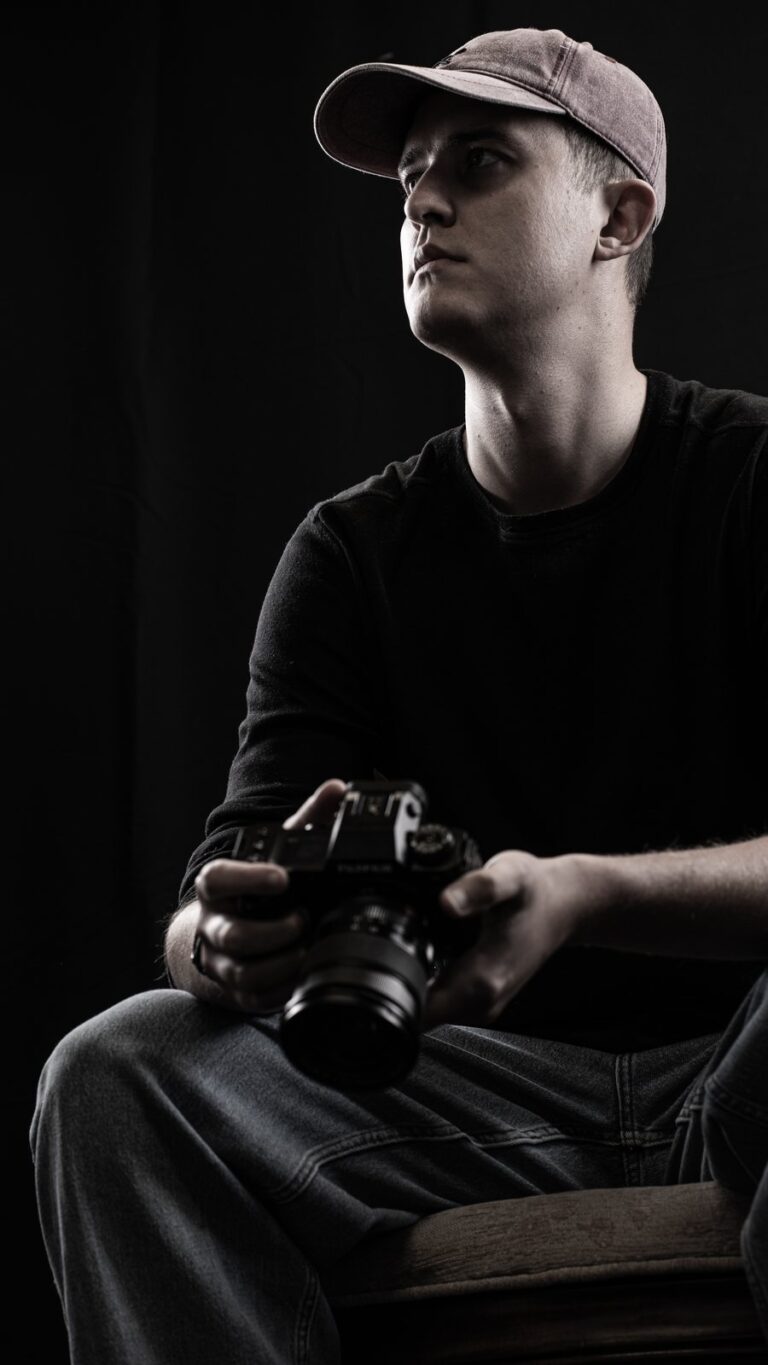
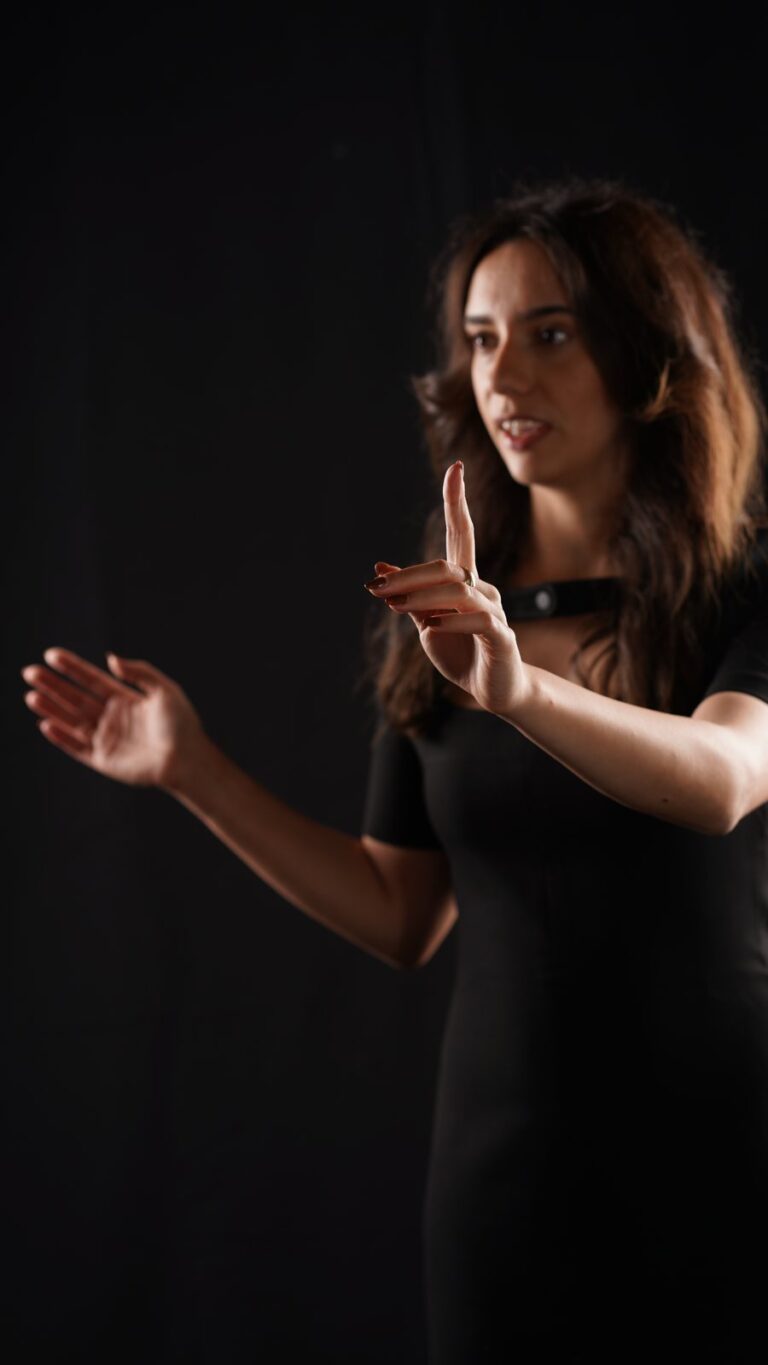
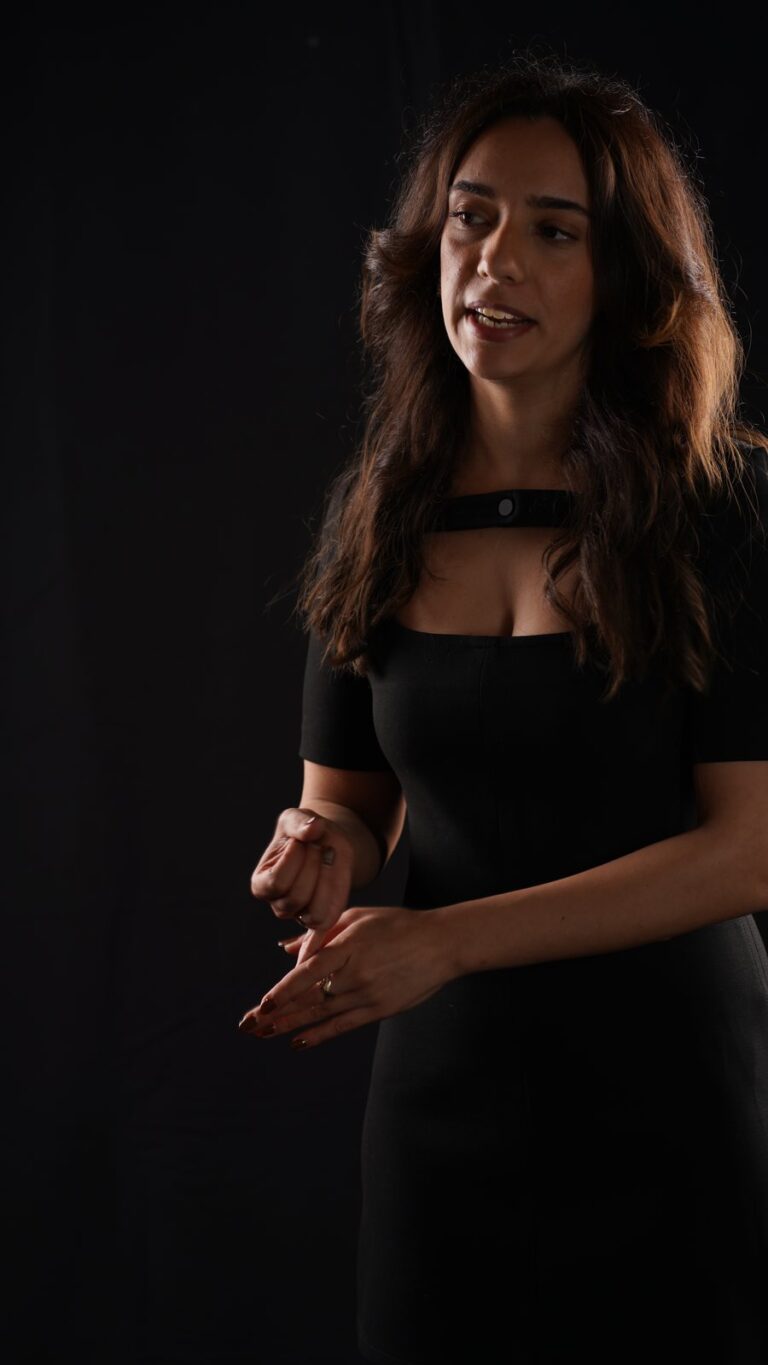
The headshots, stage shots and audience images that help organisers picture you on their stage, and how to plan a shoot that delivers all of them.
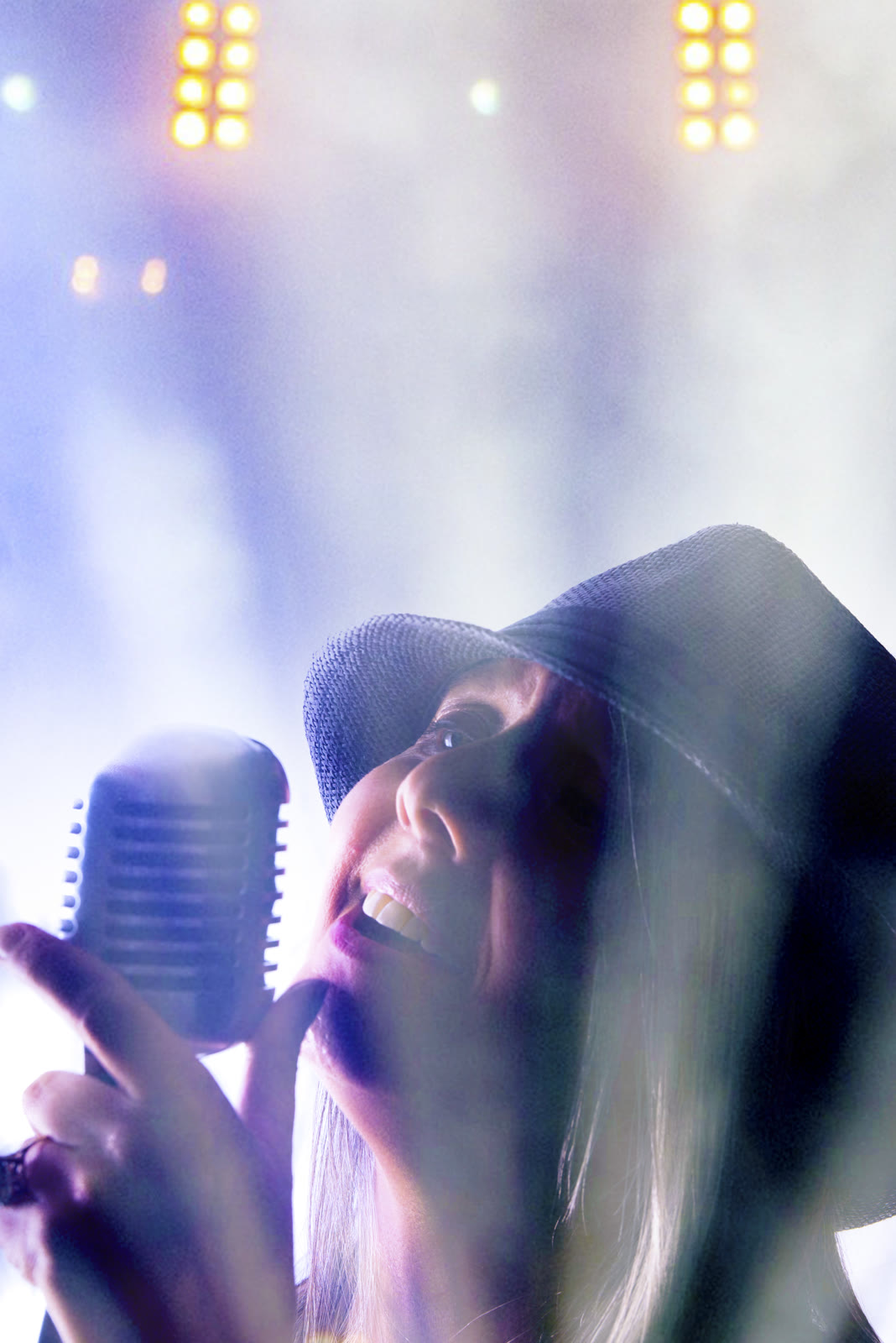
Every speaker needs two kinds of image: a current, professional headshot that shows organisers who you are, and live stage photography that proves you can hold a room. Aim for a few headshots in upright and horizontal crops, plus wide, mid and close stage shots with the audience in view, all licensed for organisers to use.
An event organiser or speaker bureau looking at you is trying to imagine you on their stage and in their brochure, or across their social feeds. Your headshots and stage photography do a lot of that work before anyone has watched a minute of video. A dated selfie or a photo cropped out of a wedding makes their job harder. A well-planned set of images makes it easy.
This guide covers the images a speaker really needs and how headshots differ from stage photography. It also explains how to get good shots at a live event, plus the details people tend to forget. File sizes and usage rights are the usual culprits.
Begin with what bureaux and organisers ask for. NMP Live, a UK speaker agency, puts a “recent publicity headshot” among the minimum materials it needs before it’ll consider a speaker. London Speaker Bureau asks would-be speakers for links to a website, videos or press kit. One UK agency’s guide to keynote fees says a speaker’s fee typically includes a “professional biography and high-resolution headshot”. Put plainly, a good headshot is standard kit. Nobody sees it as a nice extra.
A workable image set for a speaker looks roughly like this:
Each one answers its own question. A headshot answers “who is this?” Stage photography answers “can they deliver?” You need both, and neither can do the other’s job.
| Headshots | Stage photography | |
|---|---|---|
| Main job | Recognition and trust | Proof you can hold an audience |
| Where it is shot | Studio or chosen location | A real event, in front of real people |
| How much control you have | Plenty: lighting, wardrobe, retakes | Little: stage lighting, venue, timing |
| Where it is used | Programmes, bureau listings, speaker pages, LinkedIn | Website hero images, showreel stills, proposals, social posts |
| How often to update | When your appearance changes noticeably | Whenever you speak somewhere good |
New to speaking, with no stage photography yet? Don’t fake it with a posed shot in an empty room. Organisers can usually spot that. Book a strong headshot session now, then get stage shots at your next real talk, however small.
The best speaker headshots look like you on a good day, the way you’d walk in to give a talk. That’s important because the organiser will meet you in person and ought to know you on sight.
Keep it current. If your hair, your glasses or your build have changed, you’re due a new one.
Aim for clear eyes and a natural expression. Warm and confident comes across better than a forced grin or a brooding stare, unless brooding really is your brand.
Dress the way you do on stage. A suit-and-tie keynote speaker should look like one. If you speak in jeans and trainers, a formal suit will give organisers the wrong idea.
Choose a simple background. Something plain or softly blurred is easy for designers to cut out and crop, or to drop on to coloured artwork. And ask the photographer to leave room above and around you, because programme designers will always crop tighter than you expect.
Not sure if you need a full brand shoot or a straightforward headshot session? The guide to personal branding photography vs headshots explains the difference.
Stage photography is harder than it looks. Conference lighting is often dim or patchy, sometimes oddly coloured. The photographer can’t ask you to do that bit again either. On top of that, lecterns and screens get in the way, and so do microphone stands. A few steps make good results far more likely.
Find out if the organiser has already booked a photographer and whether you can have the pictures from your session. If they’re happy to share them, ask about usage. Can you put them on your website and use them in your own marketing? If there’s no photographer booked, ask whether you can bring your own and where they’d be allowed to stand.
Come out from behind the lectern whenever you can. Use the front of the stage. Lift your eyes to the audience and keep them off your notes. You’ll be a better speaker for these habits anyway, and the photographer gets something to work with.
Any photo of an audience includes other people. Notices about photography at an event are normally the organiser’s job, so check with them before you publish pictures where attendees can be clearly recognised. For general guidance on personal data in the UK, start with the Information Commissioner’s Office.
This one trips people up. Under UK law, the first owner of copyright in a photograph is generally whoever took it, even if somebody else paid, unless you agree otherwise in writing. GOV.UK’s guidance on ownership of copyright works covers this, and points out that the person commissioning the work may only get a limited licence to use it.
You don’t usually need to own the copyright yourself. What you do need is a licence that lets you, and the organisers and bureaux you work with, use the images in programmes and on websites and social media. Sort this out before the shoot and get it in writing. Ask for credit details too, so you can name the photographer when you need to. This is general information, not legal advice. If the rights have real commercial weight for you, take advice.
Great photos are wasted if an organiser has to email you three times to get hold of them. Make them easy to find:
We plan and shoot brand photography for speakers, from studio headshots to portraits on location, and build you a library of images to use on every channel. If you’d like your pictures working alongside a showreel and a site organisers can book you from, we also offer brand videography and personal brand websites. The scope and fee are agreed before any creative work begins.
Update it whenever your appearance changes noticeably, such as a new hairstyle or glasses, or a change in how you dress on stage. Organisers use your headshot to pick you out on the day. Being accurate is what counts here, more than sticking to any fixed schedule.
Often you can, but ask first. The photographer or the organiser will usually hold the rights, and what you’re allowed to do depends on what they agree to. Ask in writing whether the pictures can go on your website and social media, and how they’d like the photographer credited.
Have both. Colour is the safer default for programmes and websites. Black and white can suit a particular brand or print design. Ask your photographer for both versions of your main headshots so designers can choose.
Start with the talks you’re already giving, like a networking breakfast, a local business event or an internal company session. Bring a photographer (or a capable friend with a good camera) and ask for audience shots as well as pictures of you. A real room, even a small one, beats staged photos in an empty venue every time.
Wear what you’d wear on stage, in solid colours that suit you. Avoid busy patterns, and skip anything you wouldn’t want to be recognised in. Bring a second outfit if you speak to quite different audiences (corporate conferences one week, creative festivals the next).
Event organisers visit your speaker website with one question: can this person hold my audience? Here is how to answer it in under a minute.
Your showreel is often the deciding factor for a booker. Here is how long it should be, how to structure it and what footage to use.
Paid speaking rarely starts with a pitch. It starts with a clear topic, proof you can hold a room and materials that make booking you easy.
Four quick questions, and we’ll show you where we’d start. Your answers come straight to us with your message, so you won’t have to explain it twice.
A 30-minute introduction call on Microsoft Teams, Monday to Friday, 9am to 5pm. Your answers come with the booking, so we’ll be ready for you.
Prefer to talk it through? Make an appointment for a 30-minute call on Microsoft Teams, Monday to Friday, 9am to 5pm.
A closer look at the work behind each part of your plan.
We use analytics cookies to understand how visitors use our site. They are only set if you accept. Read our privacy policy.