FOR MUSICIANS & BANDS
YouTube for Musicians: Channel Set-Up, Shorts and Live Sessions
How independent UK artists can set up a YouTube channel, apply for an Official Artist Channel, use Shorts, go live, organise playlists and build a community.

How to shoot a photograph for an album cover: square composition, space for the title, mood, platform artwork requirements and who owns the image.
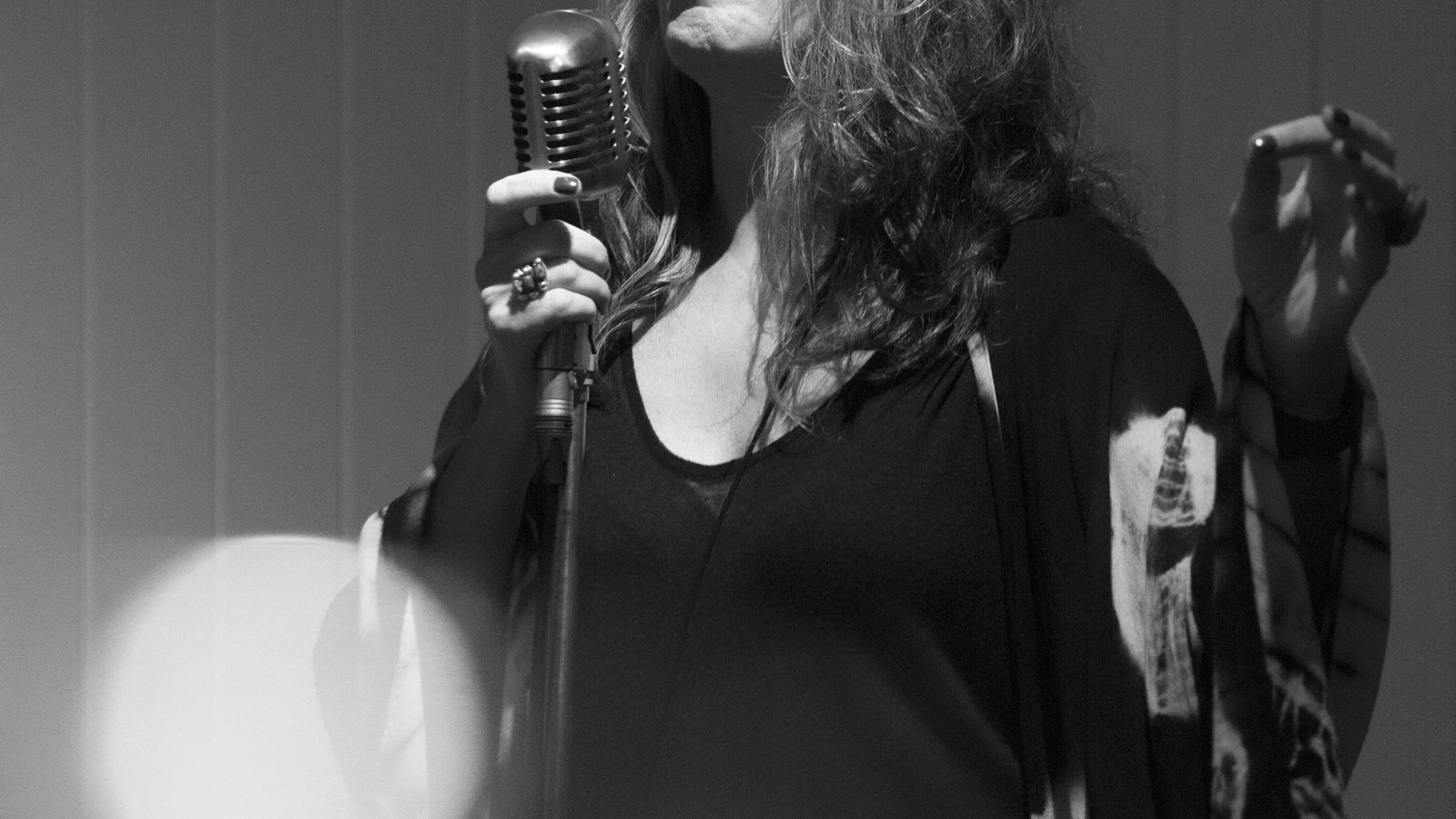
Album cover photography means shooting a picture that works as a tiny square on a phone. Compose for a 1:1 crop with clean space for the title. Pick one mood that fits the music and shoot at high resolution. Before release, check each platform’s artwork rules and agree in writing who owns the photo and how you can use it.
Most listeners see your cover before they hear a note, and they usually see it at thumbnail size in a streaming app or a social feed. A photo that looks great on a poster can turn to mush that small. Plan your album cover photography around the final format from day one and you’ll avoid a lot of cropping and compromise later.
This guide is for independent and unsigned UK musicians releasing a single, EP or album who want to commission or direct a photograph for it. We’re sticking to the cover image and the rules around it here. General band portraits are a separate job, and if you need those too, our photography for musicians page covers them.
Streaming services show artwork as a square. So build the picture as a square from the first frame. Don’t shoot wide and hope to crop it later. Ask your photographer to frame with a square in mind and to leave extra room around the subject.
Decide early whether your artist name and the release title will go on the image. If they will, plan the space during the shoot. Give the designer a calm patch to put lettering on without fighting the subject. A sky works, so does a wall, and so does a dark corner of the frame or a soft, out-of-focus background.
Text on the cover is a design choice. Nobody says you have to. Lots of releases leave it off, especially since the streaming page already shows the title next to the artwork. Adding lettering? Keep it big and short with plenty of contrast. Long titles in thin fonts disappear at small sizes.
Get your photographer and designer talking before the shoot. Our graphic design for musicians page explains how type and layout can be planned around the picture.
The cover should give a hint of what the listener’s about to hear. Think about your music as colour and light, and about how close or distant it feels:
One strong idea beats several weak ones. Choose a mood and a palette before you choose a subject. Then make sure the cover looks like it belongs with your singles artwork and promo shots. When a release has one consistent look, people pick you out more easily in a busy feed, and that’s exactly the thinking behind a good marketing plan for musicians.
Each platform has its own requirements, and so does your distributor. Check them before you finalise the files. Here are two we’ve verified with the services directly:
| Service | What it asks for |
|---|---|
| Spotify | 1:1 square, between 640 and 10,000 pixels in each direction, TIFF, PNG or JPG, sRGB colour, highest resolution available, no upscaling |
| Bandcamp | Square art, at least 1400 by 1400 pixels, with larger files better |
Spotify’s cover art requirements also say it doesn’t support embedded colour profiles or orientation metadata, so export a clean sRGB file. Bandcamp’s design tutorial asks for square artwork at 1400 by 1400 pixels or more.
Work big. Ask the photographer for the highest-resolution original, get the designer to make a master at 3000 pixels square or larger, and export smaller versions from that as you need them. You can always scale down. You can’t scale up. Your distributor may have artwork rules of its own as well, so read them before you upload.
Everyone skips this question, and it can bite you later. Under UK law, whoever creates a work is usually its first owner. GOV.UK’s guidance on ownership of copyright works says a freelancer working under a contract for services will normally keep the copyright in what they make, and ownership only passes to the person who commissioned it if that’s agreed in writing. Put simply, paying for a photo doesn’t automatically make it yours.
A clear licence solves that. Before the shoot, get these points agreed in writing:
Want to own the copyright outright? Ask for a written assignment, and expect to pay more than you would for a licence. If anyone else appears in the picture, get their agreement too. Spotify’s image guidelines say you can’t post an image of an individual without their consent. Any stock or found imagery needs clearing as well. The same goes for props and artwork that show up in the shot.
Our photographers can plan and shoot images made for release artwork, including square compositions with space left for type. Then our design team can finish the cover. Take a look at our album artwork and musician photography service. We agree a clear brief, scope and fee with you before any work begins.
Square. Spotify takes 1:1 artwork between 640 and 10,000 pixels each way, and Bandcamp wants at least 1400 by 1400. Working at 3000 by 3000 pixels or bigger gives you one master file that covers every platform and every print job.
Only if you have the rights. You need permission from the copyright owner, which is usually the photographer, plus agreement from anyone recognisable in the image. Written terms that spell out where, for how long and in what ways you can use the picture will protect you if you re-release or print it down the line.
That’s a style call. Plenty of releases include it and plenty don’t. If you add text, make it large with strong contrast so it still reads at thumbnail size. Plan clear space for it when the photo is taken, so you aren’t squeezing words onto a busy picture afterwards.
Yes, though a group shot can be hard to make out when it’s small. Try a tighter crop or a single subject. An atmospheric image can work too. Whatever you pick, make sure every member agrees. Save the full band shot for press and posters, where it gets more room.
Each of them may own their own part. Unless a written agreement says otherwise, the photographer usually owns the photograph and the designer owns the layout. Sort out who owns what, and what you’re licensed to do, before you start, so nothing catches you out at release.
How independent UK artists can set up a YouTube channel, apply for an Official Artist Channel, use Shorts, go live, organise playlists and build a community.
How function and wedding bands can get found and booked: website and video, Google Business Profile, directories, honest reviews and fast enquiry handling.
How independent UK artists can use TikTok: choosing sounds, writing hooks, posting consistently, getting your own track onto the app and learning from analytics.
Four quick questions, and we’ll show you where we’d start. Your answers come straight to us with your message, so you won’t have to explain it twice.
A 30-minute introduction call on Microsoft Teams, Monday to Friday, 9am to 5pm. Your answers come with the booking, so we’ll be ready for you.
Prefer to talk it through? Make an appointment for a 30-minute call on Microsoft Teams, Monday to Friday, 9am to 5pm.
A closer look at the work behind each part of your plan.
We use analytics cookies to understand how visitors use our site. They are only set if you accept. Read our privacy policy.