FOR INFLUENCERS & PUBLIC FIGURES
How to design YouTube thumbnails that look like you
YouTube thumbnail design for UK creators: the official specs, a recognisable template system, faces, type and colour, and how to test thumbnails properly.

What a brand shoot is, what it gives a UK influencer that phone photos can't, and how to plan one so your feed and media kit look finished.
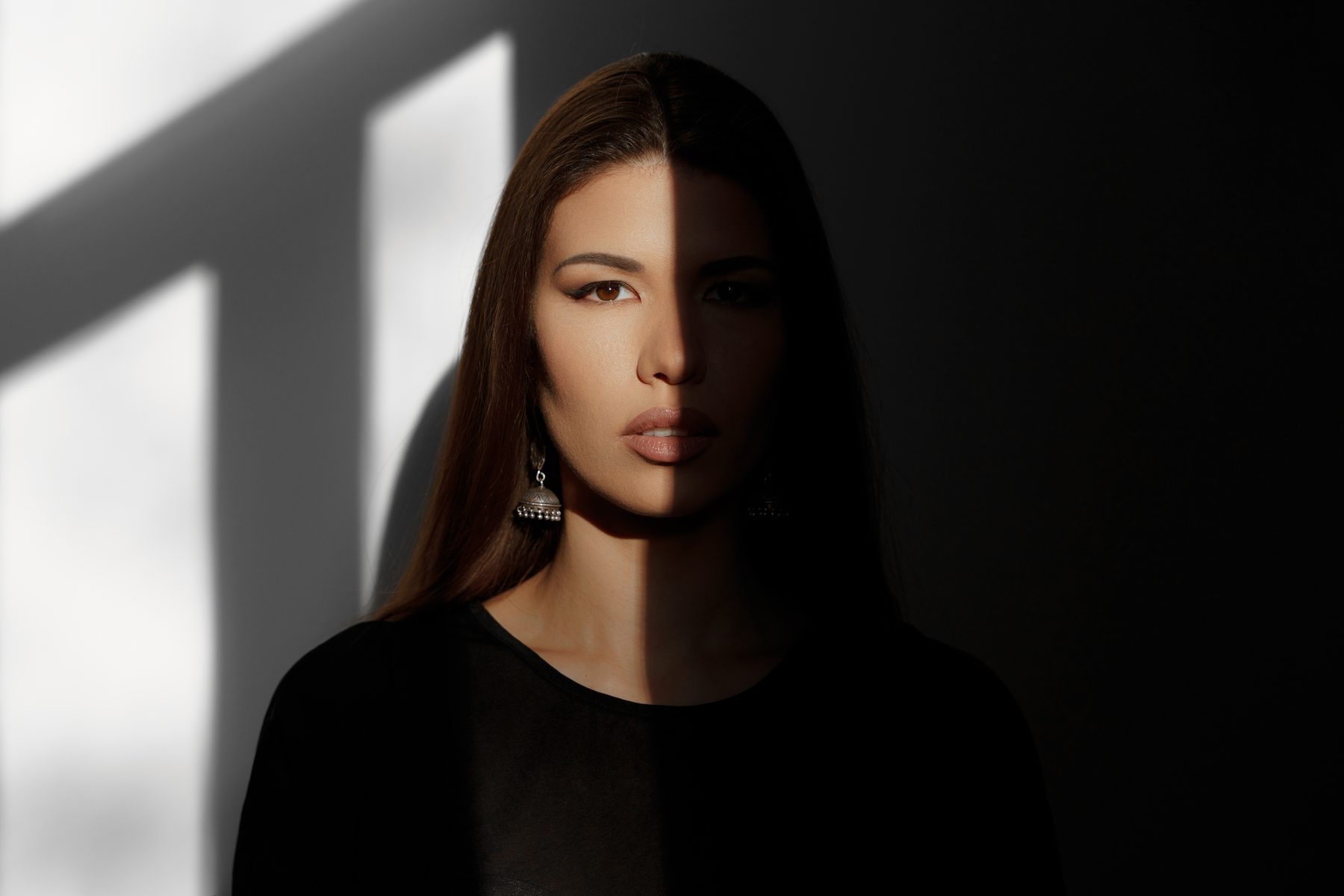
A brand shoot for influencers is a planned, professionally lit photoshoot that captures you, your world and your style in one consistent set of images: editorial portraits, lifestyle scenes, details and space for text. You don’t need one to start posting. You do need one once brands, agencies and press begin judging you by your profile, media kit and website, because that is where a finished, consistent look earns its keep.
Picture opening your profile and seeing a grid that looks like the opening pages of a weekend supplement. The portrait on your media kit cover looks like you on your best day. When a brand manager asks for a headshot and three lifestyle images, you send them in a minute and don’t wince at any of them.
That is what a good brand shoot gives you. Not more content for the sake of it, but a set of images that tell people who you are before they read a word. Here is what one involves, when it is worth it, and how to plan it so the day feels easy.
A brand shoot is a planned session built around your personal brand rather than a single post. It is different from a partnership shoot, where a brand’s brief decides the shots, and from a content day, where the aim is volume for the feed. The aim here is a small library of hero images you will use everywhere for months: profile pictures, the cover of your media kit, your website, press features, pitch decks and the occasional anchor post.
A typical brand shoot covers:
Phone photos are part of what makes you relatable, and they should stay. Your audience wants the everyday. The difference with a brand shoot is control: of light, of styling, of the edit, and of consistency across forty images rather than one lucky frame.
Originality matters more than it used to. Instagram announced on 30 April 2026 that accounts that mainly post unoriginal photos and carousels can lose eligibility for recommendations, and that adding a border, watermark or credit to someone else’s work does not make it original. A bank of images made for you is the safest foundation for a feed.
Not on day one. If you are still finding your niche, put the money into a good phone, a bright window and time. A brand shoot becomes worth it when:
If none of those apply yet, keep creating. A shoot booked too early captures a version of you that you may outgrow in six months. When the moment does come, our photography for influencers is built around exactly these turning points.
A well-planned day usually covers three or four looks in two or three settings, and produces images for every place your brand appears.
| Image type | Where you will use it |
|---|---|
| Editorial portrait | Profile pictures, media kit cover, press, speaker and podcast bios |
| Lifestyle scene | Website homepage, About page, anchor posts on the feed |
| Detail and texture | Carousels, story backgrounds, newsletter headers |
| Wide image with space | Website banners, YouTube channel art, pitch decks |
| Behind the scenes | Stories and Reels that show your audience how the day was made |
Ask for a mix of tall and wide frames. Social platforms favour tall images, while websites and YouTube favour wide ones, and you can’t crop a wide picture out of a tight vertical frame.
The images are only as good as the thinking before the day.
List every place you will need pictures in the next six to twelve months: profiles, media kit, website, newsletter, channel art, a launch. Each one becomes a line on the shot list.
Pull together the ten posts you and your audience love most and look for what they share: light, colour, setting, mood. That is your visual language, and it should guide the shoot more than anyone else’s Pinterest board.
Choose three or four outfits that sit inside your colours, plus one that feels a little more editorial. Bring props that belong in your world, your own mugs, books, plants or kit, rather than things bought for the day.
Your home is often the best set, because your audience already knows it. A studio or a location gives you range. Wherever you shoot, your photographer will want to know which way the windows face. Our guide to planning a brand photoshoot has a fuller checklist.
Agree this before the day, not after. Under UK law the person who creates an image is generally the first owner of the copyright, and the Intellectual Property Office says that when you commission a professional photographer, the copyright will usually remain with the photographer unless it is assigned in a signed written contract. In practice you receive a licence to use the images, and its terms matter: can you use them in paid ads, on product packaging, or pass them to a brand partner? Our guide to usage rights for influencers explains ownership and licensing in plain English.
For most working creators, once or twice a year is enough, with smaller shoots for launches or partnerships in between. Book the next one when your look changes, when you move into a new niche, or when you notice you are reusing the same three portraits everywhere. Seasonal creators in food, home and fashion often plan around spring and autumn, so the light, produce and wardrobe match what they will post next.
A brand shoot works best alongside regular content and a joined-up plan for marketing for influencers. If you also need a steady supply of feed images, a content day photoshoot can fill a month of posts in one day.
We want you to open your media kit and feel proud of every picture in it. The Limelight Company began as the in-house team behind co-founder Jack Cartwright, the bestselling author, planning his shoots alongside his website and social media, so we photograph with the whole picture in mind. Our photography for influencers covers editorial portraits, brand shoots and content days, all edited to one consistent style. A clear brief, scope and fee are agreed before any creative work begins.
Most brand shoots run from half a day to a full day, depending on how many looks and settings you need. Three or four outfits in one or two locations fits comfortably into a day without rushing. Allow extra time if you are cooking, styling a table or changing hair and make-up between looks.
Clothes you already wear and feel like yourself in, within your colour palette. Solid colours and natural textures photograph well, while small busy patterns and large logos tend not to. Bring more options than you need, steam everything the night before, and include one outfit that feels a little more editorial than usual.
Only within the licence you agreed with the photographer. Posting an image on your own channels as part of a partnership is often covered, but handing files to a brand for its own ads or website may not be. Check the terms first and, if you need to, agree an extended licence before you send anything.
Not always. If your audience knows you with a natural look, keep it. A make-up artist is worth considering for portraits you will use for a long time, such as your media kit cover and website, because they know how skin reads under lights and can adjust between looks.
Yes, if they are part of your world. Your own mugs, linen, books or kit make the images feel like you. Keep other companies’ logos out of your hero portraits, because they date quickly and can clash with future partners or exclusivity clauses.
YouTube thumbnail design for UK creators: the official specs, a recognisable template system, faces, type and colour, and how to test thumbnails properly.
When ads for influencers are worth paying for in the UK: launching your own product, growing a newsletter, and when boosting a post is a waste…
What influencer whitelisting means for UK creators: how partnership ads work on Instagram, TikTok and YouTube, what access you give and what to agree first.
Four quick questions, and we’ll show you where we’d start. Your answers come straight to us with your message, so you won’t have to explain it twice.
A 30-minute introduction call on Microsoft Teams, Monday to Friday, 9am to 5pm. Your answers come with the booking, so we’ll be ready for you.
Prefer to talk it through? Make an appointment for a 30-minute call on Microsoft Teams, Monday to Friday, 9am to 5pm.
A closer look at the work behind each part of your plan.
We use analytics cookies to understand how visitors use our site. They are only set if you accept. Read our privacy policy.