FOR BUSINESS OWNERS
Should you hire a social media manager? What they do and what it costs in the UK
What a social media manager actually does, what the different routes cost in the UK, and the signs that you are ready to hand it over.

A hands-on guide to planning a brand photoshoot, from outfits and locations to shot lists, image numbers and usage rights.
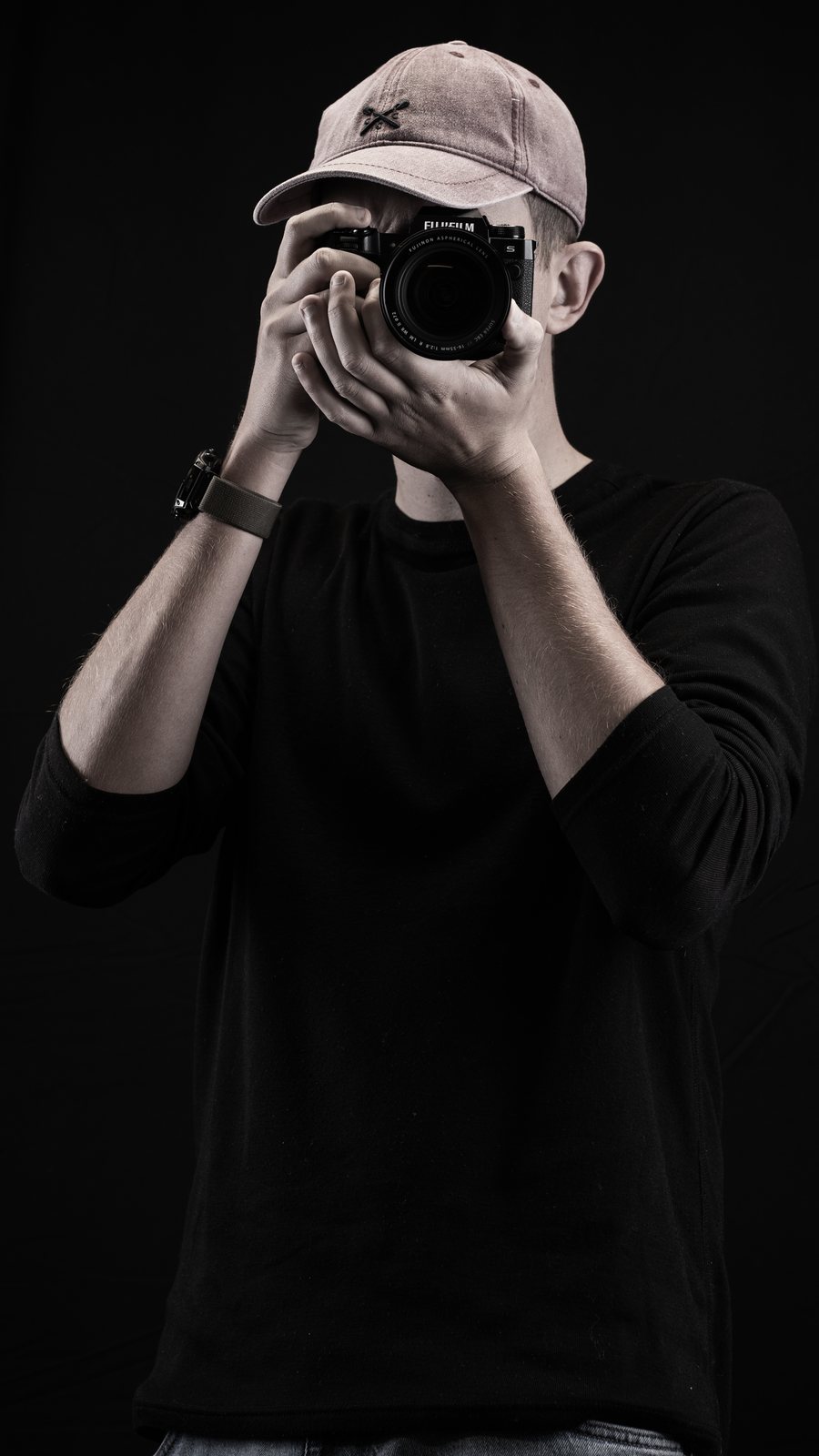
Plan a brand photoshoot backwards from where the pictures will end up. List every page and profile you need to fill. Then pick two to four outfits in colours that suit your brand, a location that shows how you work, and a shot list mixing portraits with working shots and details. Most owners need dozens of images.
Few things you spend on marketing pay back like a good brand photoshoot. Few are as easy to waste, either. Whether you come away with a year’s worth of content or three nice headshots nearly always comes down to the planning you did beforehand.
This guide takes the decisions in the order you’ll face them. First, what the images are for and how many you need. Then where to shoot and what to wear. Last, what to agree with your photographer before the day.
We plan and quote every brand photoshoot around the job you need it to do. The fee depends on how long the shoot runs and how many looks and locations it covers. It also depends on how many finished images you want, and how you’ll use them.
Tell us where you are now. We’ll reply personally with an honest view of what you need and what it would cost.
See where we’d start with you →
It’s a session built to give you a whole library of images for your marketing. A profile picture alone won’t do it. Alongside portraits you’ll usually get shots of you at work, with clients or products, in your own space, plus detail shots that can sit behind text on a website or a social post. Good brand photography keeps you supplied for months, where a single picture runs dry in a week.
Can’t decide between a full brand shoot and a simpler headshot session? Read personal branding photography vs headshots.
Begin by listing everywhere your images will appear. For a typical owner-led business it might look something like this:
| Where it’s used | What you need | Rough number |
|---|---|---|
| Website | Home page hero, About page portrait, service page images, contact page (see personal brand websites) | 8 to 15 |
| Social profiles | Profile photos and cover images for each platform | 3 to 6 |
| Social posts | A mix of portraits, working shots and details for regular posting | As many as you can use; one or two a week adds up quickly |
| Press and speaking | A clean headshot and a wider portrait in portrait and landscape crops | 2 to 4 |
| Ads and email | Images with space for text, and some close crops | 5 to 10 |
Treat those numbers as a planning guide. They aren’t a rule. What they show is that most owners need far more pictures than they think. Post twice a week with fresh images and a year eats through around a hundred. You won’t use a brand-new photo every single time, of course, but the sums explain why a short headshot session rarely covers a whole brand.
Photographers package all this in different ways. Some hand over 200 or more images from a four-hour half day, and 300 or more from a full day. Others deliver a smaller selection with heavier editing. Ask how many finished images you’ll get. Ask how they’ll be chosen, too.
Pick a location that says something about how you work. You’ve got three broad options, and plenty of shoots combine two of them.
In a studio you control the light and the background completely. That makes it perfect for clean headshots or moody, low-key portraits. It doesn’t show your world, though. Pair it with a location.
Your office or workshop, your kitchen, salon or site, is often the most useful place of all to shoot, because it shows customers exactly what working with you looks like. Tidy up first. Hide anything confidential, and work out where the best natural light falls.
A street, a park or a café adds variety. So can a hotel lounge or a hired room, which bring their own atmosphere. Any outdoor shoot in the UK needs a wet-weather plan, and you should check whether you need permission to photograph in private spaces.
Whichever you go for, think about the feel. A lamplit study tells one story. A bright, airy kitchen tells another. Either can be right, as long as it fits the rest of your brand.
Dress the way you would to meet your best client on a good day. You want to look like yourself, not a costume version of yourself.
Bring two to four outfits. That’s enough variety across the library without eating into shooting time. Plan them as a set. Maybe one smarter outfit and one everyday one, plus something that shows you at work.
Pick colours that sit well with your brand. If your website is navy and cream, outfits in those tones will look at home there. Plain colours usually photograph better than busy patterns.
Check the fit. Clothes that pull or crease, or that you keep tugging at every few minutes, will show in the pictures. Press everything the night before. Layers help as well: a jacket on and then off, or a jumper over a shirt, turns one outfit into two looks.
Keep accessories meaningful. Glasses you always wear, a watch, the tools of your trade are all fine. Leave anything distracting at home. For hair and make-up, do what you’d normally do but do it well. A professional is worth booking for a long shoot, as long as you still look like you.
Nothing helps a brand shoot more than a shot list. Send it to your photographer a week or so before. A good one covers:
Mark your must-haves. If time gets tight, they get done first.
It depends on the length of the shoot and where it happens, plus how many images you want. For rough reference, Airtasker’s UK price guide puts headshot photography at around £100 to £200, while published UK brand-shoot packages go up to around £1,500 for a half day and £1,900 for a full day, sometimes with travel on top. A brand shoot usually costs well above a basic headshot. There’s more planning involved, and far more editing once the day is over and you’re choosing between hundreds of frames.
For the wider picture of what each part of a personal brand costs, see how much personal branding costs in the UK.
Our brand photography covers portraits and full brand image libraries, shot in the studio or on location. We plan every shoot around where the images will actually go. Before any shoot we agree the brief and scope with you, along with the fee, and we can plan your photography alongside your website or film so it all looks like it belongs together. Start a conversation and we’ll begin planning.
Anywhere from an hour for a focused session to a full day for a big library shot across several locations. As a rough guide, every extra outfit or location adds time. So does every extra kind of shot. Agree the shot list first. Let that decide the length.
A few weeks ahead. That gives you time to agree the brief and build a shot list. You’ll also need to sort outfits and book any locations. If you want hair and make-up done, that needs arranging too. For outdoor shoots, keep the date flexible in case the weather turns.
You’re in good company, because most people do. A good photographer gives you direction and keeps things moving. They’ll start with easy shots while you settle. Working shots, where you’re doing something familiar, often turn out to be the most relaxed pictures of the day.
Whenever you stop looking like your photos, your brand changes, or you’ve used up the library. Lots of business owners find that a shoot once or twice a year keeps their content fresh.
Usually, yes, but check the licence first. Under UK law the photographer normally owns the copyright unless you’ve agreed otherwise in writing. Confirm your licence covers paid advertising as well as your website and social media.
What a social media manager actually does, what the different routes cost in the UK, and the signs that you are ready to hand it over.
A workable content mix for small business social media, how often to post on Instagram and Facebook, and how to keep going when you are busy.
A logo is one piece of a brand identity. Here is what an owner-led business actually needs, what each option costs in the UK, and what…
Four quick questions, and we’ll show you where we’d start. Your answers come straight to us with your message, so you won’t have to explain it twice.
A 30-minute introduction call on Microsoft Teams, Monday to Friday, 9am to 5pm. Your answers come with the booking, so we’ll be ready for you.
Prefer to talk it through? Make an appointment for a 30-minute call on Microsoft Teams, Monday to Friday, 9am to 5pm.
A closer look at the work behind each part of your plan.
We use analytics cookies to understand how visitors use our site. They are only set if you accept. Read our privacy policy.