FOR LIFE COACHES
What should a life coach say in a welcome video?
A simple structure for a homepage welcome film that feels like the first minutes of a discovery call, with UK notes on captions, embeds and claims.

Locations, outfits, poses and calming prompts for UK life coaches who feel exposed in front of the camera but want photos that look like them.
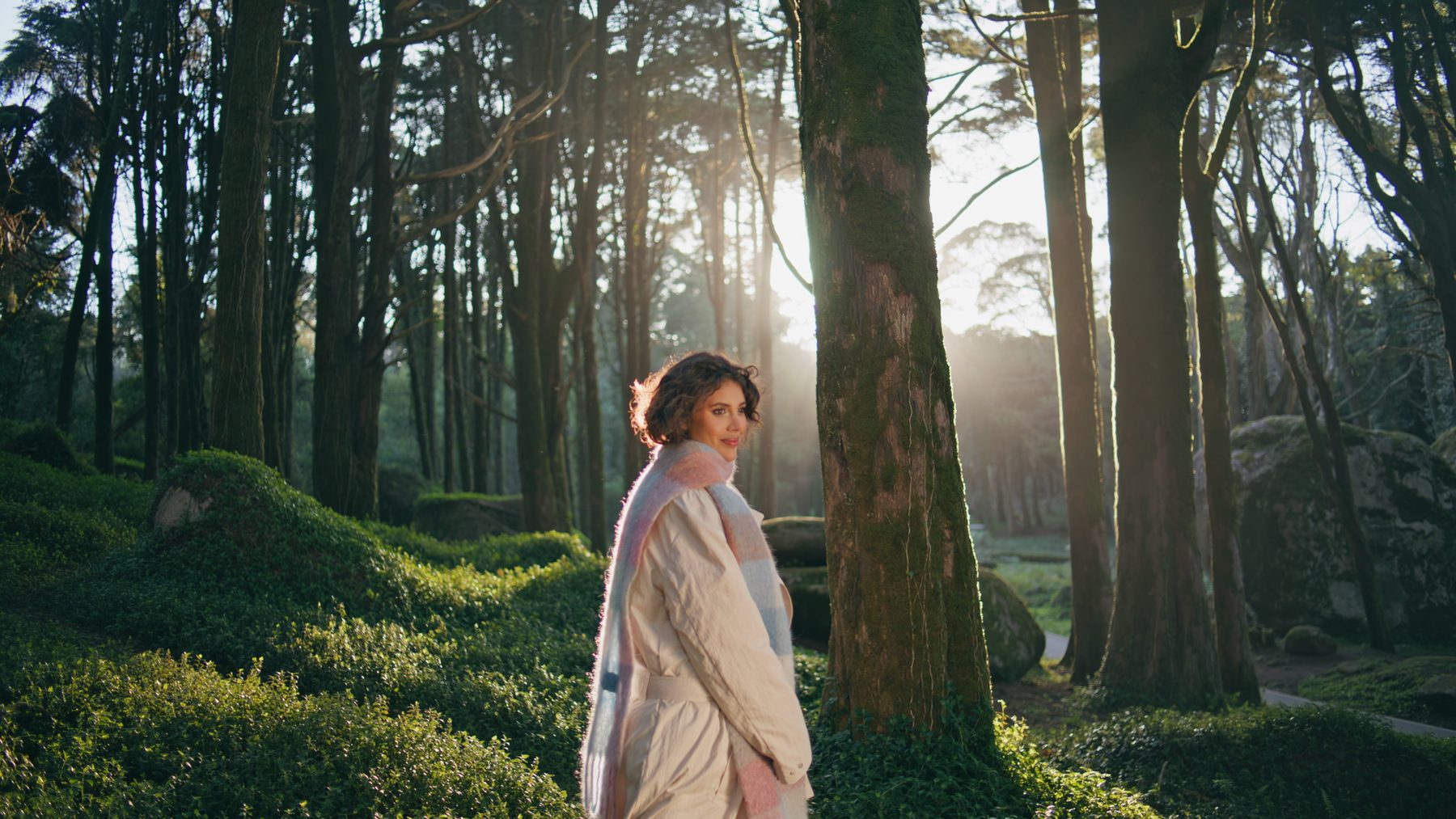
The best life coach photoshoot ideas show you doing what you actually do: listening across a table, writing in a notebook, walking a familiar route, welcoming a small group. Choose one or two locations that feel like yours, wear what you would wear to meet a new client in colours that suit your brand, and use simple prompts instead of stiff poses so real expressions appear. A short shot list, planned around where each image will be used, gives the day a calm purpose.
Imagine the evening the gallery arrives. You make a cup of tea, open the link half expecting to wince, and instead you see someone you recognise: relaxed, thoughtful, laughing at something off camera. You send one to a friend. You change your profile picture before bed. The next week, a new client says your photos made you look like someone they could talk to.
That feeling is very reachable, even if you hate having your picture taken. Most of it comes down to where you shoot, what you wear and what you are doing while the camera is pointed at you. Here is how to plan each of those.
Because you are the business. A product company can photograph a product; a coach has to show their own face, and that can feel like asking strangers to judge you. Add the fact that many coaches spend their working lives putting other people at ease, and it is no surprise that being the one under the lights feels odd.
The fix is not confidence you don’t feel. It is giving yourself something to do. When your hands are busy with a notebook and your mind is busy explaining your programme, your face stops performing and starts looking like you.
These scenes work for most coaches and give you a mix of portraits, working shots and details:
Coaching is confidential, so any scene suggesting a session should be staged. The International Coaching Federation expects coaches to agree clearly with clients what may be shared outside the coaching relationship, and a photograph is very much shared.
The most honest option. Clients who later visit will recognise it, and you will feel at home. Clear the clutter, open the curtains and keep one or two objects that say something about you.
A park, a riverside, a lane near home or the route you use for walking sessions. Outdoor portraits feel open and warm, and they suit coaches who talk about space, change or perspective. In the UK, always have an indoor plan for rain.
A café before opening, a library meeting room or the venue where you run workshops. Good for showing the setting of your group programmes.
Controlled and quick, ideal for a clean headshot. It can feel less personal, so many coaches combine an hour in a studio with an hour on location.
Whichever you choose, light matters more than scenery. Soft window light or the gentler light of morning and late afternoon is kinder than the midday sun.
Glasses wearers: ask about anti-glare lenses or angle your head slightly towards the light. Keep your nails and hands tidy, as working shots feature them more than you would think.
Use prompts, not poses. A good photographer will ask you to do or say something, then capture the moment just after. Some that work well for coaches:
Start with detail shots of your hands and notebook so you warm up before your face is the subject. Ask to see a few frames early on, as seeing that they look good settles most nerves. Bringing a friend you trust can help too.
Your real tools: notebooks, your workbook, coaching cards, a flip chart, the mug you always use. They are specific to you and they give your hands something to do. Leave the lightbulbs, chess pieces, compasses and signposts to the stock libraries. Our article on stock photos on a coaching website explains why the generic versions rarely help.
Begin with where the photos will live. A website hero needs space for a headline; a profile picture needs a simple background; a workbook cover needs a quiet detail shot. Our guide to branding photos for life coaches lists the core set. Then build a simple running order:
| Part of the day | What to shoot |
|---|---|
| Warm-up | Details: hands, notebook, workbook, mug |
| First outfit | Headshot and website portraits while you are fresh |
| Working shots | Writing, video call, table for two with a stand-in |
| Second outfit | Outdoor or walking scenes, thinking portraits |
| Wrap-up | Anything missing from the shot list |
If a friend or model joins you, get their agreement in writing for how the images will be used. If you are relying on consent, the ICO says it should be specific, informed and easy to withdraw.
To see how a planned shoot works with us, visit our photography for life coaches page, or our wider marketing for life coaches overview.
We want you to leave the shoot feeling lighter than when you arrived, and to open your gallery and see yourself on a good day. The Limelight Company grew out of the team that worked in-house for co-founder Jack Cartwright, and that habit of planning every detail around one person still shapes our shoots. Our photography for life coaches is gently guided, built on prompts rather than poses. A clear brief, scope and fee are agreed before any creative work begins.
A focused headshot session can take under an hour. A branding shoot with two outfits, a couple of locations and working shots usually needs a morning or an afternoon. Longer than that and energy dips, so it is often better to plan a second short shoot later in the year than to squeeze everything into one long day.
Only if it helps you feel like yourself. Many coaches prefer their everyday look, because clients will meet that person on the call. If you do book a make-up artist, ask for a natural finish and keep it close to how you normally look. Bring powder for shine and a comb for touch-ups.
Plan an indoor alternative from the start, such as your coaching room, a café or a hired space. Light drizzle can actually look lovely with a coat and umbrella, but heavy rain is hard on hair and equipment. Most photographers will discuss moving the outdoor part to another day.
Yes, if they are part of your story. A dog under the desk or a walk with your dog makes a warm detail shot and often relaxes people. Keep these to a small share of the images, so the set still works for a professional website and speaker pages.
Two or three is plenty for most shoots. Choose solid colours that suit your brand, include one layer you can remove, and make sure everything is comfortable for sitting and walking. More outfits mean more changing and less time actually being photographed, which is rarely a good trade.
A simple structure for a homepage welcome film that feels like the first minutes of a discovery call, with UK notes on captions, embeds and claims.
Prompts, framing, sound and simple ways through camera nerves, so UK life coaches can film short videos that sound like a real conversation.
Where stock images are fine on a UK coaching website, where they quietly cost you trust, and the licence and advertising rules worth knowing.
Four quick questions, and we’ll show you where we’d start. Your answers come straight to us with your message, so you won’t have to explain it twice.
A 30-minute introduction call on Microsoft Teams, Monday to Friday, 9am to 5pm. Your answers come with the booking, so we’ll be ready for you.
Prefer to talk it through? Make an appointment for a 30-minute call on Microsoft Teams, Monday to Friday, 9am to 5pm.
A closer look at the work behind each part of your plan.
We use analytics cookies to understand how visitors use our site. They are only set if you accept. Read our privacy policy.