FOR INFLUENCERS & PUBLIC FIGURES
How to design YouTube thumbnails that look like you
YouTube thumbnail design for UK creators: the official specs, a recognisable template system, faces, type and colour, and how to test thumbnails properly.

When ads for influencers are worth paying for in the UK: launching your own product, growing a newsletter, and when boosting a post is a waste of money.
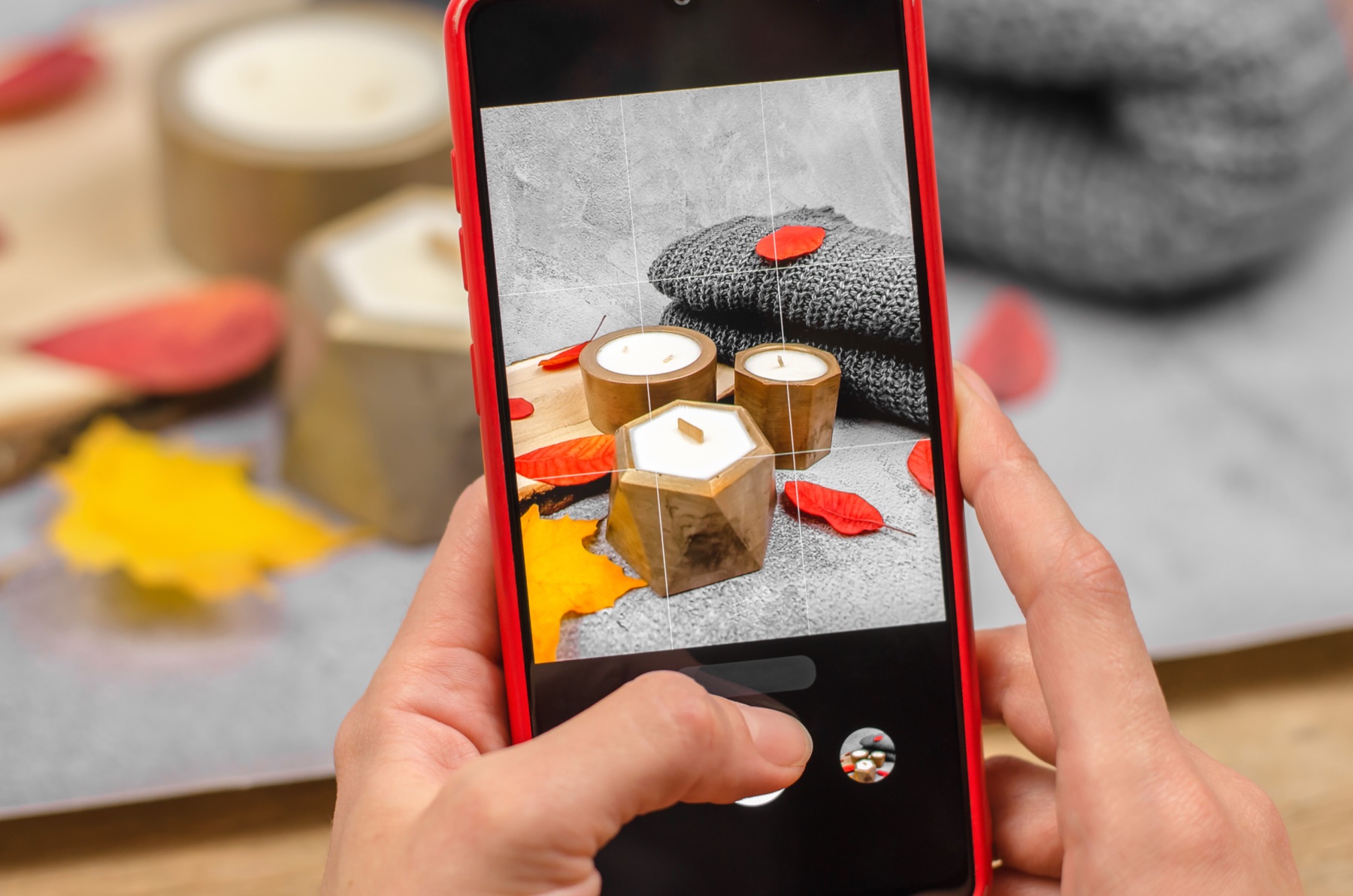
Ads for influencers make sense when there is something concrete to sell or grow: your own product, a course, a launch date or a newsletter sign-up. They rarely make sense for chasing likes or followers on their own. Start with a clear goal and a small test budget, use the platform’s full ad tools rather than a quick boost when sales matter, label every ad clearly and judge results on sales and sign-ups, not reach.
Picture launch morning for your own collection. You have been building towards it for weeks: a waiting list, a countdown in stories, a newsletter going out at eight. And this time, the people seeing it are not only the followers the algorithm happened to show it to. Ads have been quietly warming up an audience who look just like your best customers. By lunchtime the first batch is gone, and launch day felt like an event rather than a gamble.
That is what paid reach is good at. It is not a substitute for great content or a loyal audience. It is a way of making sure the moments that matter most reach enough of the right people.
Organic reach is unpredictable. A post that matters commercially, like a launch announcement, might reach a fraction of your followers on the day, and almost nobody outside them. Paid ads remove some of that uncertainty: you choose who sees the content, when and how often.
The question is whether the result is worth more than the spend. For most creators that is only clearly true when there is a direct return, such as a sale, a booking or a subscriber you can contact again.
Be honest with yourself here. Ads are usually poor value when:
In those cases, money is usually better spent on the content itself, your website or a planned launch.
Meta describes a boosted post as an ad created from an existing post, story or reel. You choose a goal such as more messages, engagement or website visitors, plus the text, schedule, budget and placements. It is the simplest route, but Meta says boosted posts don’t have as many customisation and detailed targeting options as ads built in Ads Manager, where you can choose objectives such as leads and sales, build carousels and use more placements.
| Boosted post | Ads Manager campaign | |
|---|---|---|
| Set-up | A few taps from a post | More steps, more control |
| Goals | Engagement, messages, website visits | Also leads, sales and more |
| Creative | The existing post | New formats, carousels and variations |
| Best for | Giving a strong post a nudge | Launches, sign-ups and sales |
One practical point: Meta notes that an Apple service fee of 30% may apply when you add funds to your ad account in the Instagram iOS app, and links to ways to avoid it. Paying through Ads Manager on a computer is often the simpler option. Meta also says that in the UK, your ability to advertise is limited if your account is in an Accounts Centre with a subscription to use Meta products without ads.
TikTok’s equivalent of boosting is Promote, an in-app tool that promotes a post, typically as an ad. TikTok says you must be at least 18, have a creator or business account, and post public content that uses original sound or sounds cleared for commercial use. You can choose a suggested promotion pack or a custom budget and audience, and you can end a promotion at any time, with the remaining budget returned to your Promote balance.
TikTok is also clear that results are estimates and not guaranteed. For launches and sales, TikTok Ads Manager offers the fuller set of tools, much as Ads Manager does for Meta.
There is no right figure, and we won’t invent one. What should drive it:
Set a total budget for a campaign before it starts, decide what result would count as success, and stop or change course if it isn’t arriving.
Your advantage over most advertisers is that you already know how to make content people want to watch. The best ads for influencers usually look like your best posts:
Make several variations and let the results tell you which works, rather than guessing. Making those variations from your content days is a big part of our ad work for influencers.
Yes. Even when you are paying for the reach, your audience should be clear that you are promoting something you own. The UK rules on labelling your own products and partnerships are set out in our guide to UK influencer ad rules. If a brand wants to put budget behind your content instead, that is a different arrangement, covered in our guide to influencer whitelisting.
We want launch day to feel like an event you planned, not a gamble. Our team grew from running co-founder Jack Cartwright’s book ads alongside his social media, videos and covers, so we judge campaigns on sales and sign-ups rather than likes. Through advertising for influencers we plan launch and newsletter campaigns on Meta, TikTok and YouTube, make the ad creative and report clearly, as part of our marketing for influencers. A clear brief, scope and fee are agreed before any creative work begins.
Rarely on its own. Followers gained through ads can be less engaged than people who found you naturally, and a follower is not the same as a customer. Paying for subscribers to a newsletter or a waiting list is usually better value, because you can contact them directly when it matters.
Boosting is a quick way to give a strong post a nudge, especially for engagement or website visits. For a launch or anything where you want sales or sign-ups, a campaign built in Ads Manager or TikTok Ads Manager gives you more control over goals, audiences and creative.
Usually the brand runs ads using your content, through partnership ads, Spark Ads or YouTube brand partner access, rather than you spending your own money. Agree the duration, edits and fee for that paid use in writing before you give access.
The one where your audience and your best content already are. Instagram and Facebook suit many lifestyle, home and food creators, TikTok suits short, personality-led video, and YouTube suits longer content and search. Start where you know your content works, then test elsewhere.
For sales or sign-ups, it helps a great deal. Ads need somewhere to send people that makes it easy to buy or join, such as a simple shop, a landing page or a newsletter form. Sending paid traffic to a profile link with too many choices often wastes the spend.
YouTube thumbnail design for UK creators: the official specs, a recognisable template system, faces, type and colour, and how to test thumbnails properly.
What influencer whitelisting means for UK creators: how partnership ads work on Instagram, TikTok and YouTube, what access you give and what to agree first.
How UK creators can build an Instagram feed aesthetic that looks like an editorial spread: a consistent edit, colour palette, cover frames and a planned mix.
Four quick questions, and we’ll show you where we’d start. Your answers come straight to us with your message, so you won’t have to explain it twice.
A 30-minute introduction call on Microsoft Teams, Monday to Friday, 9am to 5pm. Your answers come with the booking, so we’ll be ready for you.
Prefer to talk it through? Make an appointment for a 30-minute call on Microsoft Teams, Monday to Friday, 9am to 5pm.
A closer look at the work behind each part of your plan.
We use analytics cookies to understand how visitors use our site. They are only set if you accept. Read our privacy policy.