
FOR LIFE COACHES
What should a life coach say in a welcome video?
A simple structure for a homepage welcome film that feels like the first minutes of a discovery call, with UK notes on captions, embeds and claims.

How UK life coaches can use Instagram to build trust and win clients: account set-up, bio, what to post, reels, photos, and what the advertising rules allow.
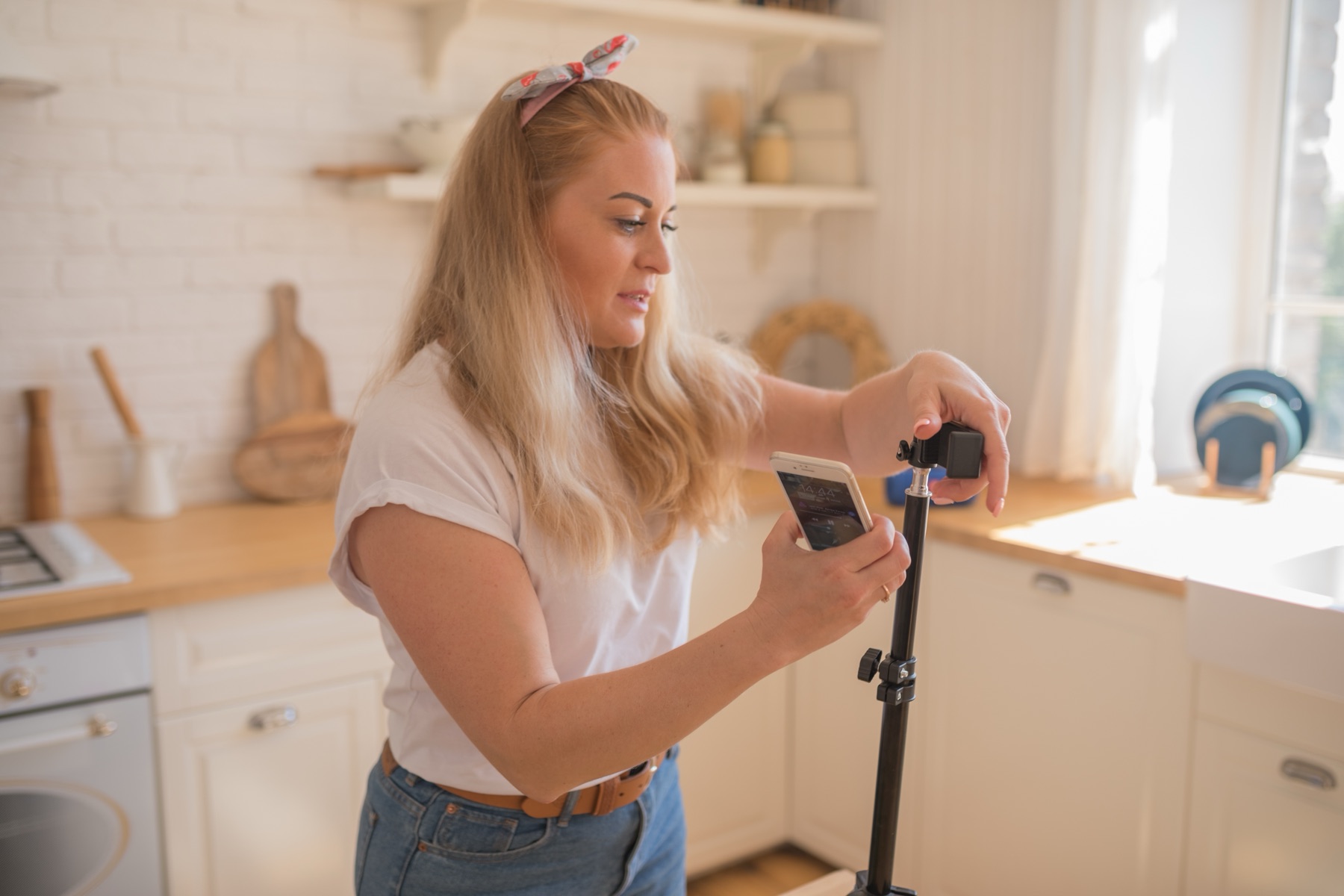
Instagram for life coaches works best as a place to build familiarity and trust, not a place to sell. Switch to a professional account, write a bio that says who you help and how to start, and post a steady mix of short videos, honest stories and useful ideas with your face in them. Then give interested people one easy next step, usually your website or an introductory call, and keep every claim within UK advertising rules.
Picture opening the doors to your next programme and finding that the first people to book are names you already recognise from your comments. They have watched you talk through a reframe on a Tuesday morning, saved your carousel about Sunday evening dread and replied to a story from your walk before sessions. When they reach the discovery call, they already know your voice, and you spend the time talking about them rather than introducing yourself.
Instagram is where many people first come across a life coach. They see a reel that describes exactly how they feel, follow quietly for a few weeks or months, and one day send a message or book a call. Very few people go from first post to paying client in a day.
That shapes how you should use it. The aim is to be the coach someone already knows and trusts when they decide it is time. Here is how to set it up, what to post and where the pitfalls are.
Often, yes, but not for everyone. It suits coaches whose clients are active on it, who are comfortable showing their face and who can post steadily for months before judging results. It suits coaches less if your clients are mostly senior professionals who live on LinkedIn, or older clients who are more active in Facebook groups, in which case our guide to running a Facebook group as a coach may suit you better.
Be honest about time, too. If Instagram leaves you anxious and behind, one platform you can keep up with is better than two you resent.
Use a professional account either way, because it gives you insights, contact options and the ability to run ads. Instagram describes business accounts as best for service providers and local businesses, and creator accounts as best for public figures and content producers. Most coaches fit either, and Instagram says you can change account type at any time.
One thing to know before you switch: Instagram says that if your personal account is private, switching to a professional account will make it public. If you have a private personal account with family photos, start a fresh account for your coaching.
Your bio has one job: help the right person recognise themselves and know what to do next. A simple structure:
Your profile photo should be a clear, warm, recent photograph of your face, not a logo. Pinned posts and highlights can then do the explaining: who you are, how coaching with you works and what clients say.
Most good coaching accounts mix four kinds of post. You don’t need a rigid schedule, but keeping all four in the mix stops your feed becoming either all advice or all selling.
| Type | What it does | Examples |
|---|---|---|
| Teach | Shows how you think and gives real value | A reframe you use with clients, a simple exercise, a myth you disagree with |
| Reflect | Makes people feel understood | Describing the situation your clients are in, in their own words |
| Show | Builds familiarity with you as a person | Your workspace, a walk before sessions, why you became a coach |
| Invite | Gives people a next step | Spaces opening, a workshop, an introductory call |
Client stories are powerful but need care. Only share them with permission, change details so nobody can be identified, and never share anything said in a session without explicit consent.
Start simple: you, talking to camera for 30 to 60 seconds about one idea, in good natural light. On-screen captions help anyone watching without sound. Batch-record several on one morning so it doesn’t take over your week.
If you worry about what your followers will think, Instagram’s trial reels can help. With a professional account, a trial reel is shown to people who don’t follow you first; it doesn’t appear on your grid or to your followers unless you later choose to share it with everyone, and you see insights within 24 hours. It is a low-pressure way to test new ideas and reach new people.
Consistency matters more than polish. A steady run of simple, honest reels will usually do more for you than an occasional perfect one, because each one gives the right person another chance to recognise themselves in what you say.
People follow coaches they feel they know, so your own face needs to appear far more often than quotes on pastel backgrounds. A brand photoshoot gives you a library of natural images of you working, thinking and in your own spaces, which keeps your grid and stories feeling personal for months. Our life coach photoshoot ideas will help you get the most from one session.
Professionally filmed video has a place too, especially for a pinned introduction or a short film about why you coach. Day to day, though, simple phone video of you talking honestly usually works better than anything highly produced.
Your Instagram profile counts as marketing. The ASA confirms the CAP Code covers non-paid space online that you control, including a brand’s Instagram profile, when content is directly connected with selling your services. So the same rules apply to your posts as to a paid ad.
Many coaches do it themselves, and your voice must stay at the heart of it. Help makes sense when planning, editing and posting are squeezing out client work, or when you post in bursts and then disappear. That is the point where social media for life coaches can take the planning, editing and posting off your hands while you approve every word, as one part of joined-up marketing for life coaches.
Imagine opening your programme to people who already feel they know your face and your voice. We started as the in-house team of co-founder Jack Cartwright, a USA Today bestselling author, running his social media, videos and website as one. Our social media for life coaches service plans, creates and publishes reels and posts in your voice, and videography for life coaches gives you footage worth sharing. A clear brief, scope and fee are agreed before any creative work begins.
As often as you can keep up for months, not weeks. For many coaches that is two or three posts a week plus regular stories. A steady, sustainable rhythm builds more trust than daily posting followed by a month of silence, and it gives you enough content to learn what your audience responds to.
No. A coach only needs a handful of new clients a month, and a small audience of the right people who trust you can easily provide that. Focus on reaching and helping your ideal clients, replying to them personally and making it easy to book, rather than on follower numbers.
Yes, if you possibly can. Clients are choosing a person to talk to about personal things, and seeing and hearing you builds that trust faster than anything else. If you are camera-shy, start with photographs and voiceovers, then build up to short talking videos as you get comfortable.
Yes, with care. Get the client’s permission, keep a record that the testimonial is genuine, and remove anything that could identify them unless they are happy to be named. Avoid presenting one client’s dramatic result as what everyone can expect, and never share session details without explicit consent.
Not until you know which posts bring enquiries rather than just likes. Once you do, a small, well-targeted budget behind your best-performing content can reach more of the right people. Boosted posts are adverts, so the same UK advertising rules on claims and testimonials apply.
A simple structure for a homepage welcome film that feels like the first minutes of a discovery call, with UK notes on captions, embeds and claims.
Prompts, framing, sound and simple ways through camera nerves, so UK life coaches can film short videos that sound like a real conversation.
Where stock images are fine on a UK coaching website, where they quietly cost you trust, and the licence and advertising rules worth knowing.
Four quick questions, and we’ll show you where we’d start. Your answers come straight to us with your message, so you won’t have to explain it twice.
A 30-minute introduction call on Microsoft Teams, Monday to Friday, 9am to 5pm. Your answers come with the booking, so we’ll be ready for you.
Prefer to talk it through? Make an appointment for a 30-minute call on Microsoft Teams, Monday to Friday, 9am to 5pm.
A closer look at the work behind each part of your plan.
We use analytics cookies to understand how visitors use our site. They are only set if you accept. Read our privacy policy.