FOR AUTHORS
What Should Authors Post on Social Media Between Releases?
What should authors post between releases? A balanced mix of story, process and reader posts, series reminders, countdowns and a weekly plan.

What an author website does that Amazon and social media can't, when a self-published author can safely wait, and how to start without overspending.
Yes, most self-published authors need a website, though not on day one. Its main job is to hold your mailing list sign-up and a full, up-to-date list of your books somewhere you own. With one book out, a simple one-page site will do. Once you have a series or a growing readership, you can’t really manage without one.
Publish through Amazon and you’ve already got a product page and an author page, maybe a lively Facebook group too. So it’s a fair question: what does a website add for a self-published author? Look online and the advice splits down the middle. Some people say it’s vital from the first book. Others call it a waste of time.
The truth is somewhere in between. Most readers won’t find you through your author website. It’s where they go once they’re already interested, and it’s where you hold on to the relationship you’ve built with them.
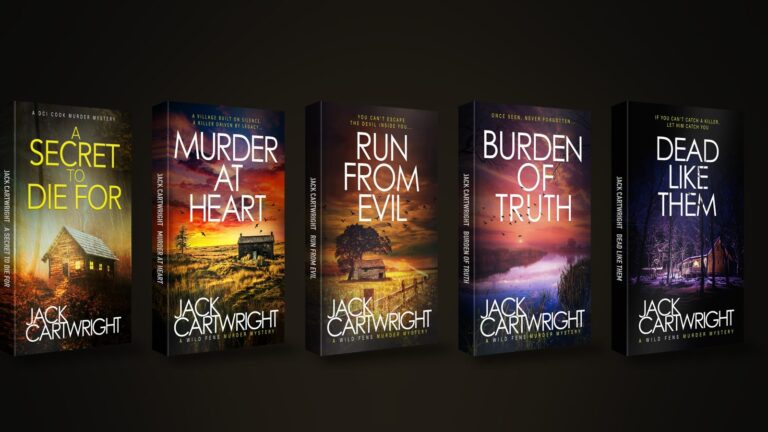
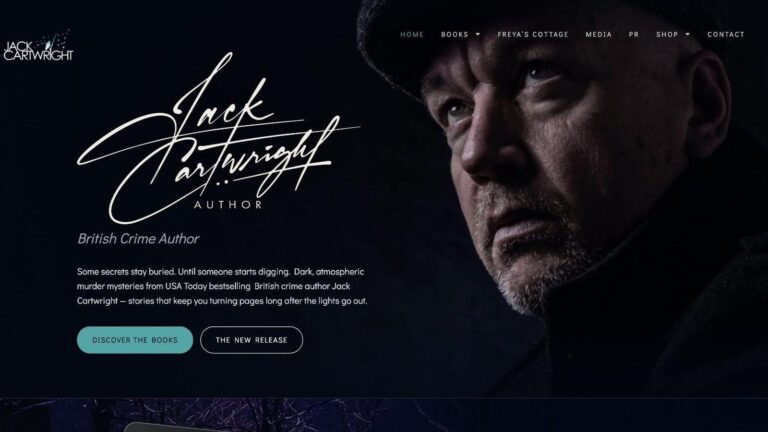
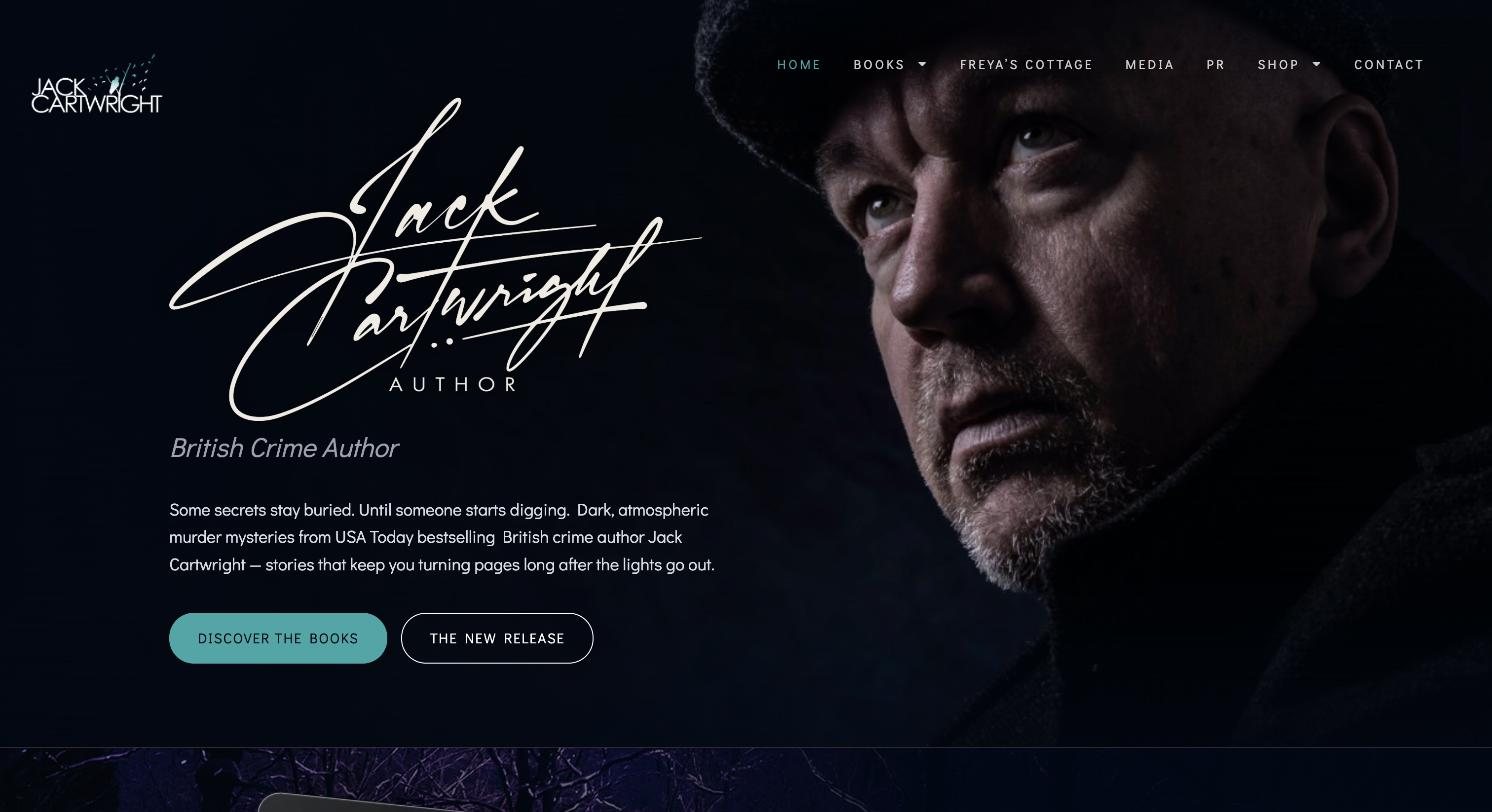
We built our founder Jack Cartwright’s author website and J M Dalgliesh’s, and we quote every author website for the author it’s for. The fee depends on how many pages you need, whether we write the copy and whether you need author photography. Features such as a newsletter sign-up or series pages come into it too.
Tell us where you are now. We’ll reply personally with an honest view of what you need and what it would cost.
See where we’d start with you →
As a self-published author you rely on platforms you don’t control. A retailer can redesign your page. A social network can change who sees your posts, and an account can get restricted with hardly any warning. Your website is the one place where you decide what readers see.
There are four jobs a website does better than anything else.
First, it grows your mailing list. Email is the most direct line to readers you’ll ever have, and your site is the obvious home for the sign-up form and any free story or reader magnet you give away.
Second, it shows every book in the right order. Retailer pages often jumble series order and editions. On your own site you can lay out the reading order plainly, with links to every shop.
Third, it answers the people who look you up. Readers search for authors, and so do bloggers and podcast hosts. Festival organisers and bookshops do it too. Your site gives them a bio and photographs, plus a way to get in touch.
Fourth, it outlasts any single platform. Switch distributor or go wide, drop a social channel even: your site and domain stay exactly where they were.
One book out and very little spare time? Then it’s reasonable to put your energy into writing the next one. A website won’t sell a debut by itself, and an elaborate site for a single title is often money better spent on a good cover or on editing.
Waiting doesn’t mean doing nothing, though. As a bare minimum:
When the second book arrives, or a series, or readers start asking “what’s next?”, the argument for a proper site gets a lot stronger.
It’s useful, and you should keep it current. But it’s still a page inside a shop. It only lists the books sold there and can’t collect email addresses for you. You also get very little say over the design or what appears next to your books. Anyone who buys from Kobo, Apple Books, a bookshop or your own store won’t find what they need on it.
Treat your retailer pages as signposts. Your website is home, and every signpost should point readers back there.
Start small. A bare-bones author site fits on one page: your name and a tagline, a newsletter sign-up with a reader magnet, your books with covers and buy links, a short bio and contact details. That’s a sensible place to begin.
As your backlist grows you’ll want a page for each book or series, a reading-order page, a media page and possibly events. There’s a full page-by-page breakdown in what should an author website include?
Prices vary a lot depending on how much you do yourself. The figures below are indicative ones published by UK sources. They aren’t quotes.
| Option | Indicative cost |
|---|---|
| DIY, self-hosted WordPress | About £60–£150 a year for hosting, domain and extras, plus your time |
| Domain name only | About £8–£20 a year, depending on registrar |
| Low-cost built-for-you service | From about £200 to build, plus a monthly fee |
| Designed author website, up to four pages | From about £1,500 |
These are indicative prices published by UK author-website services and registrars in October 2026.
A fully bespoke author site costs more again. That’s one built as a personal brand website, with original design and copywriting, plus photography that ties in with your wider brand, and the right figure depends on scope. What pushes the price up most is the page count. Whether copy and photography are included makes a big difference too, as does how much of the upkeep you’d like to hand over.
The moment your site starts collecting email addresses, you pick up some responsibilities. UK rules generally require specific consent before you send marketing emails to individuals (a box they’ve ticked, for instance), and every email needs an easy way to unsubscribe (ICO). You’ll need a privacy notice too, saying what you collect and why. Go straight to the ICO’s guidance, or get advice if you’re not sure.
On its own a website does very little. It starts working when the rest of your marketing sends people to it.
So put the link everywhere: the back matter of every book, your social bios, your email signature. Give readers a reason to sign up, such as a free short story, a prequel or an early look at new covers.
Make the site look like your books. Readers should be able to tell your genre and tone at a glance, and that consistency comes from a clear author brand (covered in how to build an author brand readers remember) and from good brand design.
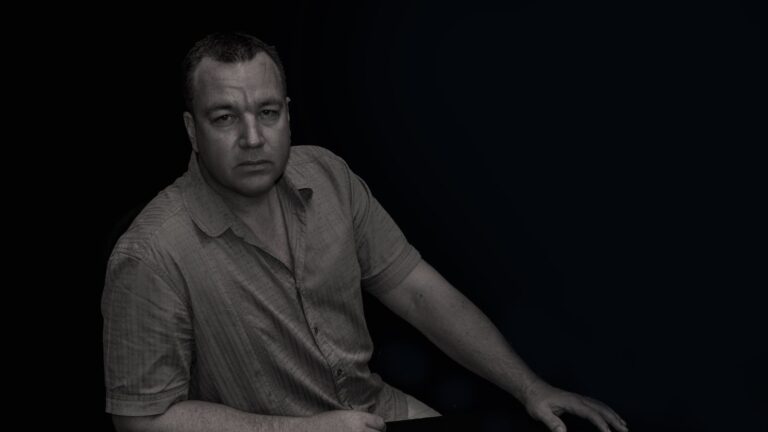
Keep it current. A “coming soon” book that actually came out two years ago tells readers you’ve stopped paying attention. And use a good author photograph, because readers like to see who they’re reading. Brand photography gets you a portrait and a set of images that work on the site and on social, and in the press as well.
The Limelight Company started out as the team behind our founder, Jack Cartwright, a USA Today bestselling author with more than 1 million books sold and over 60 published titles. We built his author website and J M Dalgliesh’s. Now we design and build author and personal brand websites on WordPress, with the copy and SEO foundations included. Before any design work begins, we agree a tailored scope and fee with you. Websites are one part of our marketing services for authors, which also cover branding, Amazon Ads, social media, photography, video and book covers.
You can, and plenty of authors start out that way. Make sure you can use your own domain and add a mailing list sign-up, and that you can move your content later if you outgrow the builder. Free plans often carry the builder’s branding and limit what you can change.
Use your author name. Books and series come and go, but your name follows you across everything you publish. If you write under a pen name, use that. Register the domain early.
No. A blog only helps if you’ll post regularly and readers want what you write. Lots of successful authors use their newsletter instead, since it lands directly with readers. For most people a news page with the odd update is plenty.
Indirectly, yes. Few readers find a new author through a website. What a site does is turn interested readers into mailing list subscribers, and a mailing list is one of the most reliable ways there is to sell your next book to people who enjoyed the last one.
Register your domain and set up a mailing list as soon as you start publishing. Build a fuller site once you’ve got more than one book, a series or regular messages from readers, or ahead of a launch you mean to promote seriously.
What should authors post between releases? A balanced mix of story, process and reader posts, series reminders, countdowns and a weekly plan.
Learn how to give every book in a series a consistent look, with colour per book, clear numbering, box set covers and refreshes that help read-through.
Why indie authors sell ebooks, paperbacks and audiobooks from their own site, how delivery works, and what to check on VAT and KDP Select first.
Four quick questions, and we’ll show you where we’d start. Your answers come straight to us with your message, so you won’t have to explain it twice.
A 30-minute introduction call on Microsoft Teams, Monday to Friday, 9am to 5pm. Your answers come with the booking, so we’ll be ready for you.
Prefer to talk it through? Make an appointment for a 30-minute call on Microsoft Teams, Monday to Friday, 9am to 5pm.
A closer look at the work behind each part of your plan.
We use analytics cookies to understand how visitors use our site. They are only set if you accept. Read our privacy policy.