FOR AUTHORS
What Should Authors Post on Social Media Between Releases?
What should authors post between releases? A balanced mix of story, process and reader posts, series reminders, countdowns and a weekly plan.

Why indie authors sell ebooks, paperbacks and audiobooks from their own site, how delivery works, and what to check on VAT and KDP Select first.
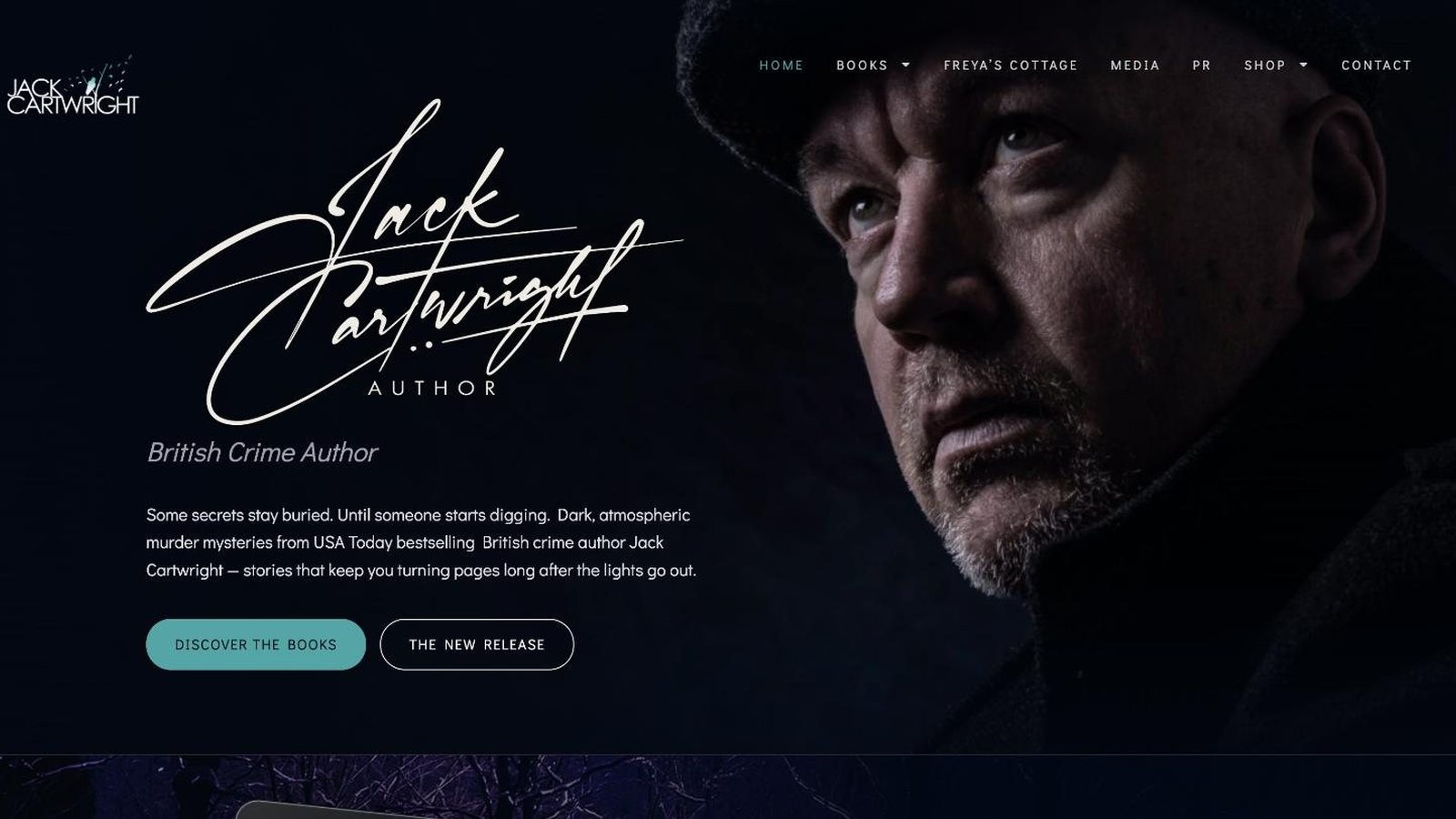
To sell books direct, add a shop to your author website and take payment through a checkout. Ebooks and audiobooks go out as secure download links, and paperbacks are posted by you or a print partner. You get better margins and reader data, plus bundles Amazon can’t offer. Keep your Amazon links, since direct sales sit on top of retail.
Most indie authors start on Amazon and stay there, and that’s sensible, because it’s where the readers are. More of us now sell a share of our books direct, though. The buyers are usually readers who already know our work and are happy to buy straight from the source.
This guide covers why authors sell direct and how delivery works for each format. It also flags the two rules to check before you start (VAT and KDP Select), and how to keep your retail links working next to the shop.
When a reader buys from a retailer, the retailer takes its cut and sets a lot of the terms. On your own site you pay a payment processor and any shop software fees, and you keep the rest. On a signed paperback or a box set sold to a loyal reader, that difference can add up. It won’t replace your retail income, so think of it as an extra channel.
A retailer sale tells you almost nothing about who bought. A direct sale gives you a name and an email address (with consent), plus a record of what that reader picked. That’s how you find out which book makes the best series starter for your readers, and who’s ready for the next one. It also fills your author mailing list with people who’ve already shown they’ll pay.
Selling direct lets you offer things a retailer’s shop page can’t. A complete series bundle, say, or an ebook and audiobook together. Signed paperbacks and hardback special editions work too, as does early access to a new release for readers on your list. These are the products your most committed readers keep asking for.
With ebooks, the reader gets a download link after paying, or an email with the files in the formats they need (EPUB for most devices, plus a file or send-to-device option for Kindle). Keep the instructions short and clear. Readers who’ve never side-loaded a book before will email you otherwise.
Audiobooks work in a similar way. The reader gets a link to download the audio files, or a code or link for a listening app. The files are big, so you’ll need reliable hosting, and a short guide to finding the files on a phone will save you a lot of support emails.
Paperbacks give you two options. Either you keep stock and post it yourself, or each order triggers print-on-demand fulfilment straight to the reader. Before you open the shop, decide who packs and who posts, and how you’ll deal with damaged or lost parcels. Signed copies naturally belong with stock you hold yourself.
Whichever route you pick, test the whole thing as a reader would. Pay with a real card for a cheap item. Check the confirmation email, then open the download and read the file on an actual device.
A quick check here saves headaches later. GOV.UK states that e-versions of books are zero-rated for VAT, a change that took effect on 1 May 2020. It also says audiobooks stay at the standard rate, physical or digital, because the zero rate only covers electronic versions of books that can be read or looked at.
So an ebook and an audiobook can be treated differently on the same order. That affects bundles, and it affects how your shop software works out the tax. Whether you need to register for VAT at all depends on your turnover and circumstances, so ask your accountant or check HMRC’s guidance. Don’t assume. We’re a marketing agency, not tax advisers, so take this section as a prompt to check and not as advice.
It can. Amazon’s KDP Select page says that enrolling commits you to making the ebook’s digital format available only through KDP, and that during the exclusivity period you can’t distribute it digitally anywhere else, your own website or blog included. The same page says paperbacks aren’t covered by the exclusivity, so you can keep selling those elsewhere.
If a title is in KDP Select, then, don’t sell or give away the ebook from your site while it’s enrolled. Paperbacks and signed copies are still fine. Lots of authors keep their series starter wide, or only sell direct from books that aren’t enrolled. The Select page refers you to the full terms for the detail, including anything about audio, so read them before you decide.
A shop works best inside a complete site. Our guide to what an author website should include covers the pages around it, and a well-built author website designed to sell books makes the shop feel like part of your series’ world instead of an afterthought.
Yes. Plenty of readers will always want to buy where their library, Kindle account and payment details already live, and pushing them elsewhere loses you sales. Offer both. The simple approach is retailer buttons on each book page for readers who want convenience, next to a clearly labelled direct option for anyone after a signed copy or a bundle, or who wants to support you directly.
Direct sales are also easier to promote when you give readers a reason to choose them. A bundle they can’t get anywhere else works, and so does a signed edition or early access. Don’t undercut your own retailer price in a way that confuses readers or breaks the terms of a programme you’ve signed up to.
The Limelight Company grew out of the team that runs the author business of our founder, USA Today bestselling author Jack Cartwright, so we build sites the way an author needs them to work. We can design and build your author website with a shop and series pages, plus sign-up forms that fit your brand. For the wider plan, see how we market self-published authors. Before any work begins, we agree a clear brief with you, along with the scope and fee.
Often, yes, as something you add on top. Direct sales suit your most engaged readers. You get their details with consent, and you can offer them bundles and signed copies. Keep Amazon as the place new readers find you, and use the shop to get closer to readers who already like your work.
No. Amazon says that while an ebook is enrolled in KDP Select, its digital format must be available only through KDP, and that rules out your own website or blog. Paperbacks aren’t covered by that exclusivity. Read the full KDP Select terms before you decide, especially for anything to do with audio.
GOV.UK says e-versions of books are zero-rated and audiobooks are standard-rated. Whether you have to register for VAT depends on your own circumstances, though. Ask an accountant or check HMRC guidance for your situation, and make sure your shop software handles the two formats correctly.
Stop thinking of marketing as a cost. Once you do, you cut yourself off from a critical arm of your business and turn it into a negative. The lost opportunity is not having a direct route to your readers at all, because every reader who’d have bought a bundle or a signed copy from you has nowhere to do it. Start small, with one or two products and a simple checkout, and grow the shop as sales justify it.
Send them from places where they already trust you: your mailing list, the back matter of your books, your social posts, the menu on your website. And give them a reason to buy direct, such as a bundle, a signed edition or early access. A bare link isn’t enough.
What should authors post between releases? A balanced mix of story, process and reader posts, series reminders, countdowns and a weekly plan.
Learn how to give every book in a series a consistent look, with colour per book, clear numbering, box set covers and refreshes that help read-through.
How to design the page that gives away your free book: headline, cover, form, UK consent basics, the welcome sequence and where readers come from.
Four quick questions, and we’ll show you where we’d start. Your answers come straight to us with your message, so you won’t have to explain it twice.
A 30-minute introduction call on Microsoft Teams, Monday to Friday, 9am to 5pm. Your answers come with the booking, so we’ll be ready for you.
Prefer to talk it through? Make an appointment for a 30-minute call on Microsoft Teams, Monday to Friday, 9am to 5pm.
A closer look at the work behind each part of your plan.
We use analytics cookies to understand how visitors use our site. They are only set if you accept. Read our privacy policy.