FOR AUTHORS
What Should Authors Post on Social Media Between Releases?
What should authors post between releases? A balanced mix of story, process and reader posts, series reminders, countdowns and a weekly plan.

How to plan an author photoshoot: match your genre, pick locations and outfits, build a shot list, and agree consent and usage first.
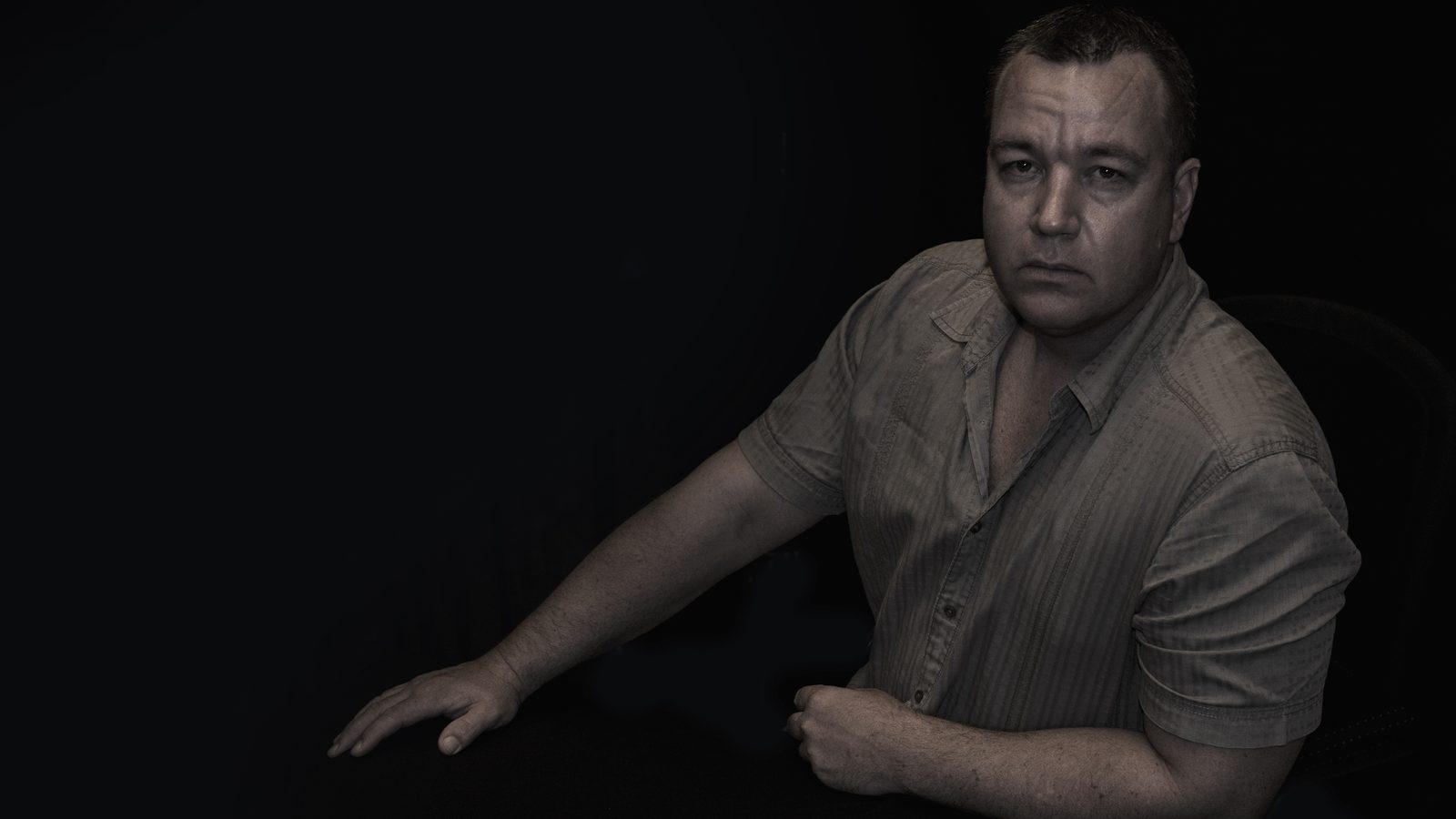
Plan an author photoshoot around your genre. Decide the mood your readers expect and pick one or two locations that suit it. Choose outfits and props that fit your books, then write a shot list covering a portrait, a wide banner shot and a tight close crop. Agree in writing how the images may be used before you book anyone.
An author photoshoot is a working day for your brand. Vanity has nothing to do with it. The pictures will appear on your Amazon author page and in the back matter of your books. They’ll go on your website and in newsletters too, then across social media and in ads, often for years. Plan a little beforehand and you’ll walk away with a set that handles every one of those jobs.
Our guide to what makes a good author photo covers the principles. This article deals with the hands-on side: how to prepare so the shoot itself runs smoothly.
Readers size up the person behind a book in a flash, and they do it by reading exactly the same signals they use when they’re scanning a page of covers and deciding what to click. Look at the top ten books in your category and ask what mood their author photos have in common. You aren’t copying anybody. You’re making sure your photos don’t contradict your books.
Then bring in your own angle. A crime writer who used to be a police officer, or a romance author writing from a seaside town, has a real story that a location or prop can tell without any caption.
Pick a main location and, if there’s time, one that contrasts with it. A studio gives you control and consistent light, plus a clean backdrop that’s easy to reuse for banners. A location brings atmosphere and personality. Plenty of authors do both, with a short studio session for the clean portrait followed by an hour or so somewhere that suits the books and the mood your readers expect.
Your own home or garden can work better than a famous landmark. So can your local library or favourite pub, because those places feel like you.
Wear clothes you’d actually wear to a book event. Plain colours and simple textures photograph well. Busy patterns tend to distract. Narrow stripes and big logos do too. Bring two or three outfits that shift the feel a little, say a darker jacket for crime or a lighter knit for warmer books, and check each one is comfortable sitting down as well as standing.
Props have to earn their spot. A notebook or a mug can hint at a writing life. So can your own paperback, or a fountain pen. A prop that has nothing to do with your books will just look staged. Take along a copy of your latest cover too, because a few shots with the book in your hands come in handy for launch graphics.
Write the list down and send it to the photographer ahead of time. Think about where each image will go, since every platform crops differently.
| Shot | Why you need it |
|---|---|
| Head and shoulders portrait, plain background | Your Author Central profile, book back matter, press and event listings |
| Landscape with space to one side | Website header, social banners and newsletter headers, where text will sit over the empty area |
| Tight close crop of the face | Small circular and square avatars where a wider shot becomes unreadable |
| Three-quarter or full length in a setting | Website about page, interviews and blog features |
| Working shots: writing, reading, holding your book | Social media, launch posts and ad creative |
| Hands with a book or at a keyboard, no face | Flexible images for posts when you do not want your face every time |
Ask for a vertical and a horizontal version of your best set-ups, and leave space on purpose in the wide frame. Turning a tight portrait into a wide banner later is rarely possible. Amazon explains that your author profile, photo included, is managed through Author Central, so plan a crop that works there from the outset.
If you’re working with a photographer, for instance through our author photography service, send the list in advance. Otherwise you’ll end up asking one photo to do six jobs.
Authors forget this part. Before the shoot, agree in writing who owns the images and how you’re allowed to use them. Under UK law copyright protects photography automatically, as the GOV.UK copyright guidance explains, which means the pictures belong to somebody from the moment they’re taken and you need to know who that is. At the very least you need a licence that covers the uses you’ve got in mind.
Ask for full-resolution files as well as web-sized ones. Keep a note of the agreed terms with the images.
Get some sleep, drink plenty of water and turn up on time. Bring a copy of your shot list and a few reference images from other authors. That way you’re both picturing the same thing. Allow more time than you think you’ll need, since most people only start to relax a little way into the session, once the first few nervous frames are out of the way. Afterwards, pick a small number of final images with someone whose opinion you trust and use those consistently. Don’t post the lot.
We started as the in-house team for our founder, the USA Today bestselling author Jack Cartwright, so we know how author images get used in books and ads, and around launches. We can help you plan and shoot your author photography with those uses in mind. For the bigger picture, see how we market self-published authors. Before any work begins, we agree a clear brief and scope with you, along with the fee.
Allow one to two hours for a single location with an outfit change. Book half a day if you want a studio set and an outdoor set. Rushing is the usual reason photos come out stiff, so leave time for nerves to settle.
Refresh them when you look noticeably different or your genre or branding changes, or every few years anyway. Readers who meet you at an event should recognise you from your photo. An out-of-date picture works against that.
Stop thinking of marketing as a cost. The moment you do, you cut yourself off from a critical arm of your business and turn it into a negative. The real lost opportunity is not having strong, usable images, because without them every profile is weaker. So is every book page, and every ad. Get a clear scope and licence in writing, then judge the quote by how many uses it covers.
Usually, yes, as long as your licence covers advertising. Check before the shoot, because some photographers license images for editorial use only. Ask for a licence that includes social media and newsletters as well as print and paid ads, so you don’t have to renegotiate later.
A friend with a good camera can manage a decent casual shot. A professional brings lighting and direction, and results you can rely on. Your photo is often the first impression readers get of you, so most authors find it worth having a professional take the main set.
What should authors post between releases? A balanced mix of story, process and reader posts, series reminders, countdowns and a weekly plan.
Learn how to give every book in a series a consistent look, with colour per book, clear numbering, box set covers and refreshes that help read-through.
Why indie authors sell ebooks, paperbacks and audiobooks from their own site, how delivery works, and what to check on VAT and KDP Select first.
Four quick questions, and we’ll show you where we’d start. Your answers come straight to us with your message, so you won’t have to explain it twice.
A 30-minute introduction call on Microsoft Teams, Monday to Friday, 9am to 5pm. Your answers come with the booking, so we’ll be ready for you.
Prefer to talk it through? Make an appointment for a 30-minute call on Microsoft Teams, Monday to Friday, 9am to 5pm.
A closer look at the work behind each part of your plan.
We use analytics cookies to understand how visitors use our site. They are only set if you accept. Read our privacy policy.