FOR AUTHORS
What Should Authors Post on Social Media Between Releases?
What should authors post between releases? A balanced mix of story, process and reader posts, series reminders, countdowns and a weekly plan.

What authors post on YouTube, how to set up the channel, keep a regular rhythm and point viewers to your books.
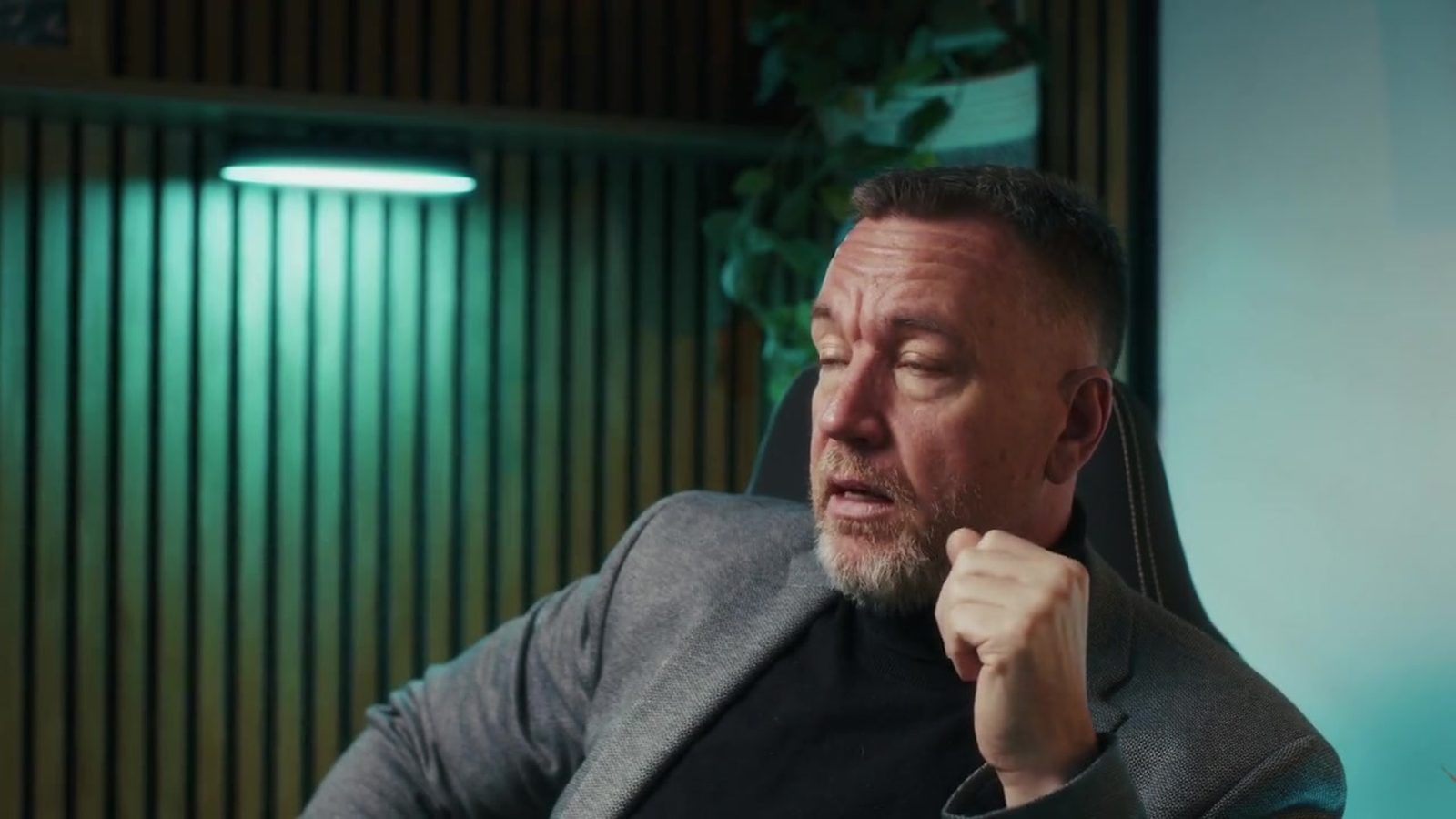
An author YouTube channel works best as a small library about your books that grows bit by bit: readings, writing-process videos, series explainers, Q&As and a few Shorts. Give it a clear channel name and description with links to your books. Sort videos into playlists by series, and post at a pace you can keep for a year.
YouTube isn’t like BookTok or Instagram. Videos stay searchable for years, so a reading you film this month can still bring you a reader long after launch week is over. That’s ideal for authors with a backlist and series, because you can point every new viewer at book one.
You don’t need a studio or a big following. What you need is a plan for what to post and a tidy channel. Then a habit you can keep going between writing deadlines. If filming is what’s holding you back, professional video for authors can fill the gap.
Choose two or three formats and stick with them, so readers know what they’re getting. These work for most genre authors.
Make what you enjoy making. A tired, forced channel shows on screen. A simple format you like will outlast an ambitious one you don’t.
Use your author name, the one on your books and website, so readers can find you. YouTube’s help page on customising your profile covers your channel name, handle, description, URL and links. In your description, say in a sentence or two what you write and who for, and name your genre.
That same page explains how to add links to your channel. Point them at your author website and your mailing list sign-up, plus your main retailer page, so a viewer who likes you has somewhere to go next. A reader magnet such as a free prequel works especially well here.
Playlists are collections of videos. You can create and organise them in YouTube Studio, and drag the videos into whatever order you like. Make one playlist for each series and another for “start here”. New viewers then watch in a sensible order, and the channel looks organised.
Shorts are how people discover the channel. Longer videos are where they get to know you. YouTube describes Shorts as vertical videos up to 3 minutes long. The best ones are usually far shorter than that, though. Think a single line from your book, a trope explained in 20 seconds, or your answer to “which of my series should you read first?”
Film once and cut it lots of ways. Record a ten-minute Q&A, then pull out three clips for Shorts. Take another for Reels and one more for your mailing list. Not sure where to start with vertical video? Our social media for authors page explains how short video fits in with the rest of what you post.
Regular beats frequent. One video a fortnight for a whole year will do far more for you than five in a week followed by months of silence. Pick a pace that works around your writing schedule, and guard it.
Batching helps enormously. Film three or four videos in one day. Edit and schedule them across the month. Reuse what you already have, so a newsletter answer becomes a Q&A and a chapter becomes a reading. Set up a template too. A simple intro and a consistent thumbnail style, with the same end card each time, will save you hours.
Plan around your launches as well. Ease off before a deadline, then use the launch to put out a short run of videos.
Add captions. Lots of people watch with the sound off, and captions help viewers who are deaf or hard of hearing. YouTube’s help page explains that you can add subtitles and captions during upload or afterwards in YouTube Studio, whether by uploading a file, typing them in or using auto-sync. It also notes that automatic captions only appear in the video’s default language. Check them for character names and invented words, because the automatic version often mangles them.
Give videos plain titles that say what they are, such as “Reading from chapter one of a cosy mystery”. Vague teasers don’t get found. Put the series name and genre near the start of the description, with a link to book one.
The channel should always lead somewhere. Put a link to the book, or to a page on your website, in the description of every video, and say it out loud near the end. Give one clear next step. Three is too many. For a series, send new viewers to book one. During a launch, send them to the pre-order or buy link.
Mention the channel in the back matter of your books. Put it in your newsletter and on your website too. Readers who’ve just finished one of your books are the warmest audience you’ll ever have, and a video of the author reading the next chapter is the obvious thing to offer them. For the wider picture of how this fits with the rest of your promotion, see our marketing services for self-published authors.
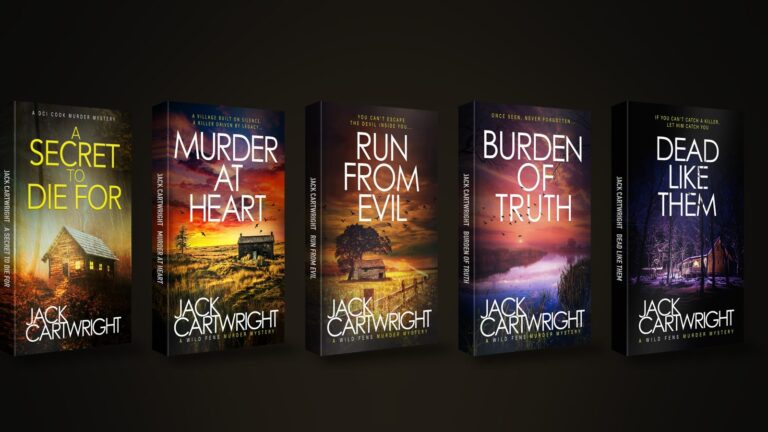
Our team started as the in-house team of our founder, the USA Today bestselling author Jack Cartwright. We handled his videos and social media. His ads and covers were ours too, along with his website. Through our videography for authors service we can film and edit your readings and interviews, along with series explainers, then cut them into Shorts and Reels. Your channel looks professional, and your writing time stays yours. Before any work begins, we agree a clear brief with you, along with the scope and fee.
No, but it can help, especially if you write a series. YouTube videos stay findable for a long time, and a viewer can binge several in one go. If you only have the energy for one platform, pick the one your readers already use.
As long as they need to be and no longer. Scene readings, Q&As and process videos usually run from a few minutes up to ten. Shorts are much briefer. Cut anything that doesn’t help the viewer, and put the most interesting moment near the start.
You can read your own book if you hold the rights. It’s wise to share an excerpt instead of the whole thing, and to leave the ending out. If you’re hybrid or have a publisher, check your agreements first, because the audio rights may belong to them.
No. Some authors film their desk. Others record a voiceover over images of their settings, or use slides and book covers. A face does help people connect with you, but readers care most about the book and a voice they enjoy listening to.
A recent phone and a quiet room will get you going. Add good daylight and a cheap clip-on microphone. Sound counts for more than picture quality, so test your audio first. Only upgrade once you know which formats you’ll keep making.
What should authors post between releases? A balanced mix of story, process and reader posts, series reminders, countdowns and a weekly plan.
Learn how to give every book in a series a consistent look, with colour per book, clear numbering, box set covers and refreshes that help read-through.
Why indie authors sell ebooks, paperbacks and audiobooks from their own site, how delivery works, and what to check on VAT and KDP Select first.
Four quick questions, and we’ll show you where we’d start. Your answers come straight to us with your message, so you won’t have to explain it twice.
A 30-minute introduction call on Microsoft Teams, Monday to Friday, 9am to 5pm. Your answers come with the booking, so we’ll be ready for you.
Prefer to talk it through? Make an appointment for a 30-minute call on Microsoft Teams, Monday to Friday, 9am to 5pm.
A closer look at the work behind each part of your plan.
We use analytics cookies to understand how visitors use our site. They are only set if you accept. Read our privacy policy.