FOR AUTHORS
What Should Authors Post on Social Media Between Releases?
What should authors post between releases? A balanced mix of story, process and reader posts, series reminders, countdowns and a weekly plan.

BookTok for authors explained: hooks, showing the book, posting rhythm, linking to your retailers, and what to avoid.
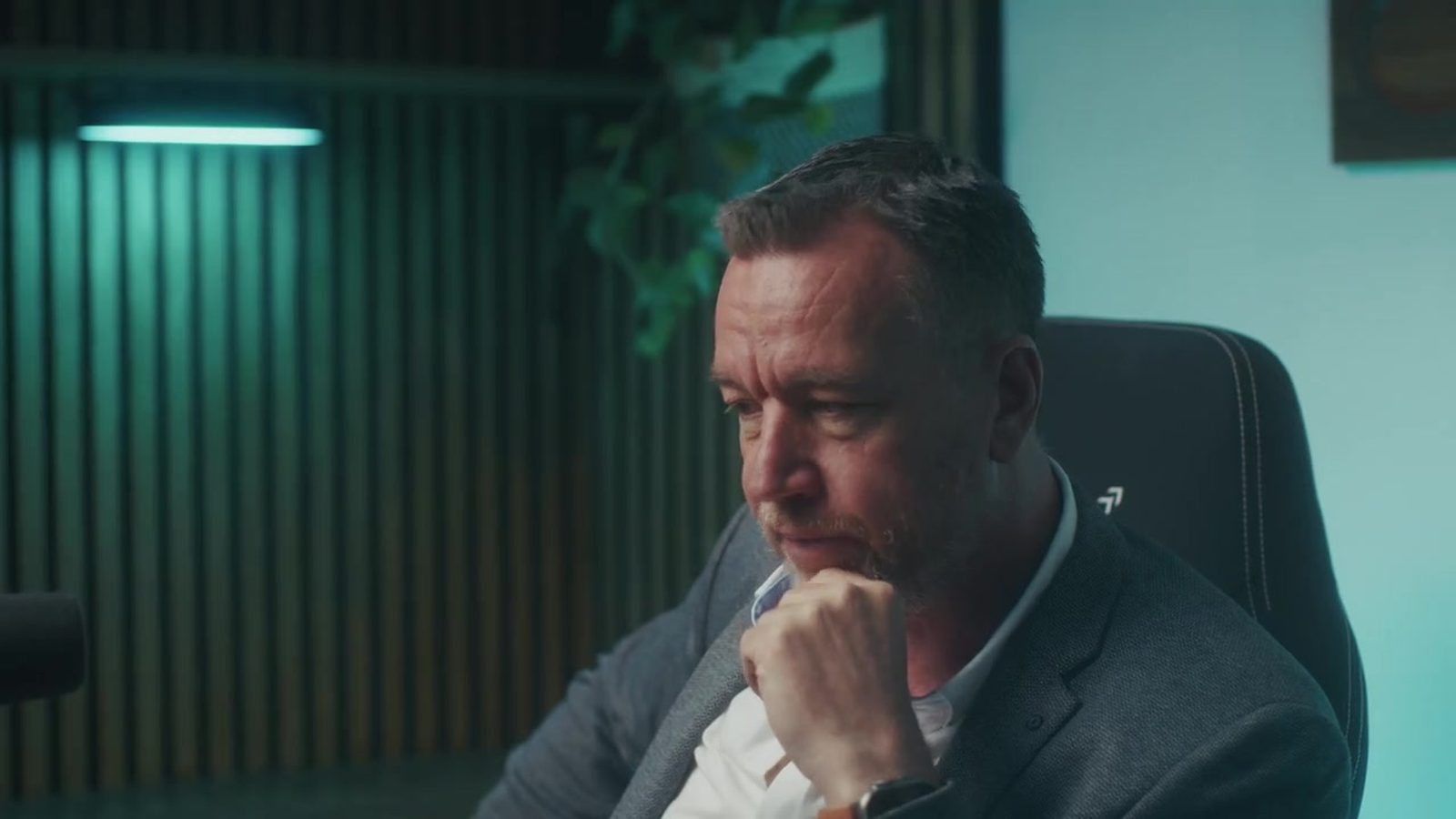
BookTok for authors works best when each video sells a feeling instead of a title. Open with a trope or one hook line, and get the book on screen. Post at a pace you can keep up, and send viewers to one page where they can buy. Skip hard-sell captions and off-genre trends, and never run unlabelled paid promotion.
BookTok is the readers’ corner of TikTok. People go there to share the books they loved and the scenes that wrecked them, and to show off covers they bought on sight. For an indie author, BookTok is one of very few places where an unknown book can reach readers who’ve never heard of you without an advertising budget behind it. If you’d sooner hand the whole thing over, look at our social media for authors service.
It’s also easy to get wrong. Plenty of authors use it like a billboard. They post a cover with a buy link, then wonder why nothing happens. This guide covers what usually works, and it’s written for authors who’d much rather be writing the next book than learning a new platform.
BookTok isn’t a separate app. It’s simply what readers call book content on TikTok. They post short videos reacting to books or ranking favourites by trope, reading a line aloud or showing off a stack of paperbacks. Authors join in from the other side of the page by talking about the story and the characters, the world they’ve built, and what the book gives a reader.
The best author accounts feel like a friend recommending a book. If a viewer gets to the end of your video wanting to know what happens next, you’ve done your job. The sale grows out of that feeling, and it tends to come later, once they’ve seen you a few times.
Viewers decide within a second or two whether to keep watching. The opening counts for more than everything after it. In genre fiction, tropes make the easiest hooks, because readers already search and shop by them.
Lead with the trope. “Enemies to lovers on a Lincolnshire fen” tells a romance reader exactly what they’re getting before you’ve said a word about the plot.
Or ask a question, or make a promise. “What would you do if the body in the boot wasn’t the victim?” grabs crime and thriller readers in a way a title card never will.
Quoting one line works too. A single sharp line from the book, read out or shown as on-screen text, often beats a summary.
And name the comp. If your book will suit fans of a well-known author, say so. Comp authors are the shorthand readers already use with each other.
Write the hook first and build the video around it. If you can’t sum up the video in one line, the viewer won’t manage it either.
Both, though the book should carry more of the load. People come to BookTok for books, so give them something to hold on to: a cover, a paperback in someone’s hand, a page with your favourite line, a quick flick through. Having the physical book on screen also makes the title stick when they go looking for it later.
Your face helps when it adds something. Think of you reacting to a reader’s comment, explaining why you wrote the series, or showing where you write. If you’d sooner stay off camera, you can still do well with voiceover on top of images, on-screen text, or footage of your desk and notebooks and your research. Good, clean author photography earns its place here as well, since the same images work on your website and in your bio.
Consistency beats volume. A pace you can hold for six months is better than a burst of daily posts followed by silence. If you’re also keeping to a writing schedule, two or three videos a week is realistic, and fewer is fine as long as each one has a clear hook.
Film in batches. One hour with a few props, a notebook of hooks and your phone can give you a fortnight of posts. Keep a running list of ideas taken from the book itself, such as tropes and locations, characters’ quirks, deleted scenes, or the question readers keep asking you. Plan around your releases. Put more energy into the weeks before a launch, then settle into a lighter, regular pace afterwards. Our book launch plan shows how the build-up fits together.
Make the next step obvious. Someone who enjoys a video should know exactly what to do, whether that’s looking for the book, following you or tapping a link. Say it out loud or put it on screen. One action per video.
TikTok has its own rules about clickable links in profiles, and they’ve changed over time, so check the current options in the app’s help section before you build a plan on them. Whatever it allows, send people to a single page you control instead of a different link for every video. A book page on your author website with buy links for each retailer is ideal. That way you can change retailer links later without editing every bio. If you have a reader magnet, offer it on that page too, because a subscriber is worth more to you than a one-off click. Our guide to building an author mailing list explains how.
Don’t post nothing but buy links. If every video is an advert, nobody has a reason to follow you.
Don’t chase every trend, either. A sound or format that suits a romance account can look strange on a gritty crime one, so only borrow what fits your readers.
Never run unlabelled paid or gifted promotion. If you pay a creator, or give them a free copy and also control what they post, the post will probably count as an ad. The ASA says the test is payment and editorial control, and it recommends “#ad” as the simplest label. Its guidance on making clear that an ad is an ad says labels like “Gifted” aren’t recommended, and that the label should be prominent and come at the start.
Watch out for spoilers. Readers will forgive you plenty, but not a plot twist thrown away for a hook.
And never buy or fake engagement. Fake reviews and concealed incentivised reviews are a banned practice under UK consumer law, and readers can smell fake enthusiasm a mile off.
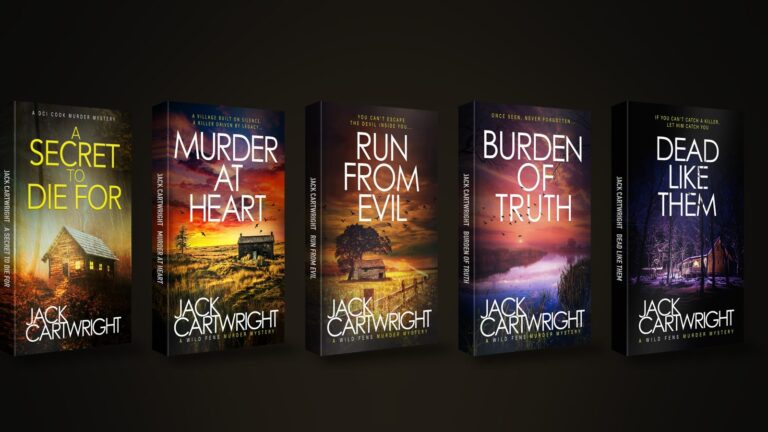
We started out as the in-house team for our founder, USA Today bestselling author Jack Cartwright. We looked after his social media and videos, as well as his ads and book covers and his website. Our social media management for authors covers BookTok and Bookstagram as well as Facebook reader groups, with content planned around your releases and written in your own voice. For the wider picture, see how we market self-published authors. We agree a clear brief, scope and fee with you before any work begins.
No. Lots of authors use voiceover or on-screen text, with shots of the book, their desk or their research. A strong hook and a clear look at the book are what count. If you’d like the odd face-to-camera video, save it for moments when it adds something, like a launch or a reader’s question.
Yes, but the hooks are different. Romance and fantasy lean on tropes. Crime and thriller authors do well with a question or a twist teaser, or with the setting. Non-fiction authors can share one useful idea per video. Whatever you write, show the book and tell the viewer plainly who it’s for.
Both. Videos stay findable for a long time, and a reader who likes a series starter may go on to buy the whole series. Feature book one regularly and mention read-through to later titles. In the weeks around a launch, put the new release up front.
Not automatically. According to the ASA, a free gift on its own doesn’t make a post an ad, but payment combined with editorial control by the brand does. If you ask for approval or a script, or insist on a hashtag, label it clearly as an ad. When in doubt, ask for an independent review and say so.
It varies, and nobody can honestly promise a number. Think of it as a slow build, with regular posts and a clear route to your book page and list sign-up. Judge it by whether readers follow you and join your list, and whether they mention your books, never by the views on one video.
What should authors post between releases? A balanced mix of story, process and reader posts, series reminders, countdowns and a weekly plan.
Learn how to give every book in a series a consistent look, with colour per book, clear numbering, box set covers and refreshes that help read-through.
Why indie authors sell ebooks, paperbacks and audiobooks from their own site, how delivery works, and what to check on VAT and KDP Select first.
Four quick questions, and we’ll show you where we’d start. Your answers come straight to us with your message, so you won’t have to explain it twice.
A 30-minute introduction call on Microsoft Teams, Monday to Friday, 9am to 5pm. Your answers come with the booking, so we’ll be ready for you.
Prefer to talk it through? Make an appointment for a 30-minute call on Microsoft Teams, Monday to Friday, 9am to 5pm.
A closer look at the work behind each part of your plan.
We use analytics cookies to understand how visitors use our site. They are only set if you accept. Read our privacy policy.