FOR LIFE COACHES
What should a life coach say in a welcome video?
A simple structure for a homepage welcome film that feels like the first minutes of a discovery call, with UK notes on captions, embeds and claims.

How UK life coaches can film workshops and retreats with consent and confidentiality in mind, and turn one group day into weeks of content.
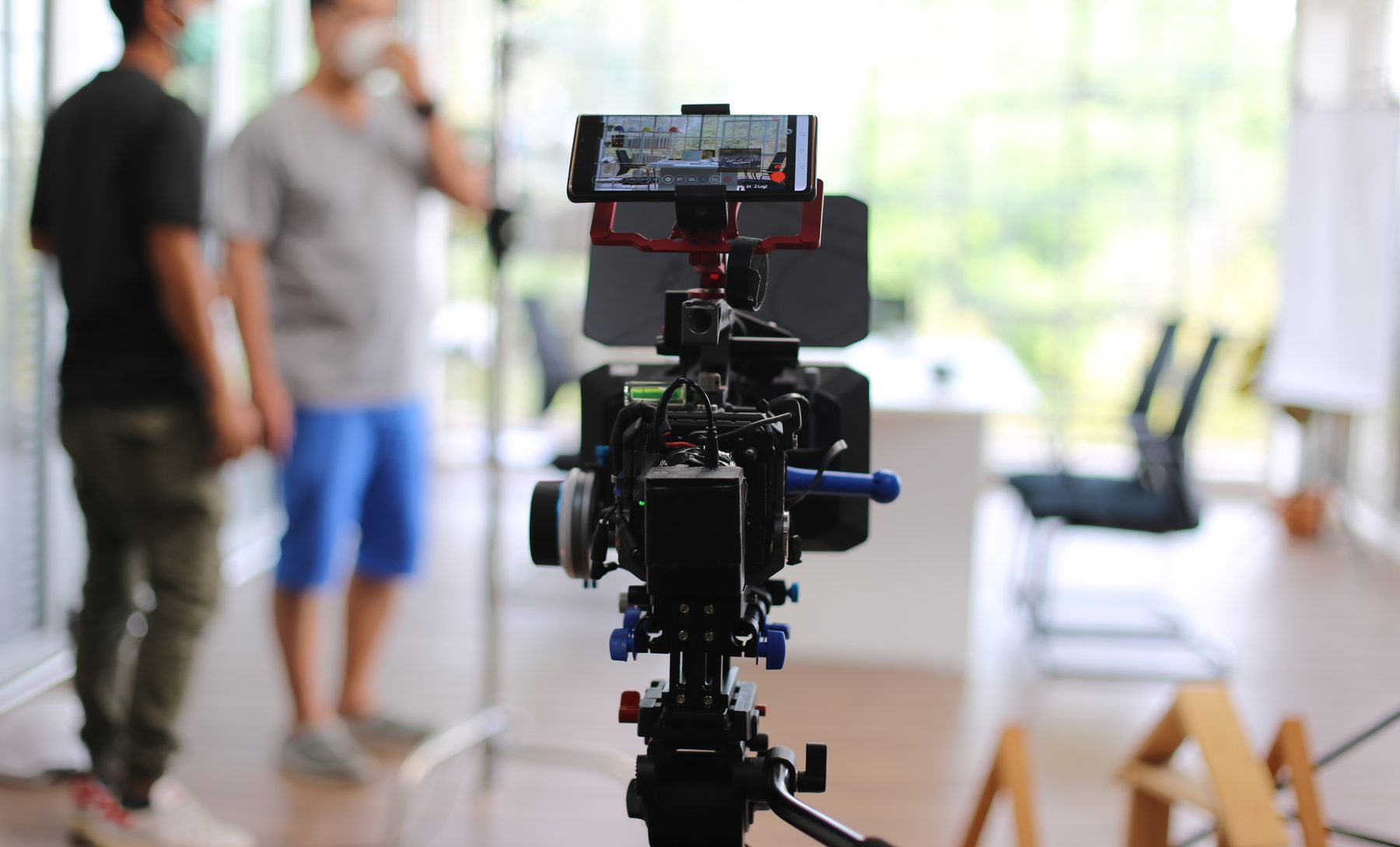
Filming coaching workshops and retreats is worth doing if you protect the room first. Get clear, informed consent from everyone before the day, give people an easy way to stay out of shot, and never film personal sharing, breakout conversations or anything said in confidence. Point the camera at you teaching, the venue, the atmosphere and moments people have agreed to. Planned well, one day can give you a highlight film, filmed testimonials and weeks of short clips.
Picture next spring. Someone who has never met you watches a two-minute film: lamplight in a country house room, a circle of chairs, you explaining an idea with your hands, people walking along a lane in the rain and laughing about it at lunch. They don’t hear anyone’s private story. They don’t need to. They can feel what the day was like, and they book a place before the early rate ends.
Your group days are often the best thing you do, and almost nobody outside the room ever sees them. Filming lets future clients glimpse them, as long as it never costs the people inside the room their sense of safety. Here is how to get both right.
Because group programmes are hard to describe in words. “A day of reflection and practical tools” could mean anything. A film shows the size of the group, the warmth of the room, your style at the front and the mood at lunch. It answers the quiet questions people have before booking: will I fit in, will I be put on the spot, is this for people like me?
It also works hard after the event. The same footage can fill a programme page, a launch email, an advert and a month of social posts.
Decide what will never be filmed, and tell everyone before they book. For most coaches that list includes:
The International Coaching Federation expects coaches to set a clear agreement about what may be shared outside the coaching relationship. Treat filming as part of that agreement, not an add-on.
There is a data protection reason too. The ICO lists health, including mental health, as special category data, which needs extra protection. A clip of someone describing their anxiety would reveal exactly that, so keep personal disclosures off camera entirely.
The ICO describes personal data as information about an identified or identifiable person, and people are usually identifiable on film. Where you rely on consent, the ICO says it must be freely given, specific, informed and unambiguous, and as easy to withdraw as to give. Silence and pre-ticked boxes don’t count.
In practice, that looks like this:
| Moment | Why it’s useful |
|---|---|
| The empty room and venue | Sets the scene for programme pages and next year’s booking page |
| Arrivals and welcome | Shows how it feels to walk in, with consent |
| You teaching | Short, self-contained ideas make ideal clips |
| The group from behind | Gives atmosphere without showing faces |
| Details | Workbooks, name cards, tea, notes on a flip chart |
| Walks, meals and breaks | The human side people remember |
| Short interviews at the end | Voluntary filmed reflections from guests who want to take part |
Ask for stills at the same time. Our guide to branding photos for life coaches explains how workshop images sit alongside your portraits.
Most groups forget the camera within the first hour when it is handled like this.
The end of a workshop is often when people most want to say something, so it can be a good time. Keep it entirely voluntary and separate from the group, ideally in a quiet corner after the closing circle.
The UK advertising rules still apply. CAP guidance says you need documentary evidence that a testimonial is genuine, the person’s permission and their contact details, and that you must not edit it misleadingly. Ask guests to describe their experience rather than promise results. Our article on the client testimonial video has more on this format.
Plan the outputs before you plan the filming. A typical set might include:
Released steadily, that can carry your social channels for weeks. Our videography for life coaches includes workshop and retreat films cut for every platform.
You can record your own teaching, but take care with gallery views. Faces and names on screen identify people just as much as in a room. Tell attendees in advance, record only the speaker view, and never record or publish breakout rooms. Many coaches simply film a clean version of the teaching afterwards.
It is usually worth it when you will run the workshop or retreat again, when group programmes are a growing part of your business, or when you need material for a launch. It may not be worth it for a small, one-off private group, where a few photographs of the venue and of you teaching could be enough. For the wider picture, see our overview of marketing for life coaches.
We want next year’s guests to feel the warmth of your room before they arrive, while this year’s guests never feel watched. We started as the in-house team of co-founder Jack Cartwright, filming his events and turning them into content, and we bring that discretion to group coaching days. Our videography for life coaches plans consent and no-film moments with you, then delivers a highlight film and clips. A clear brief, scope and fee are agreed before any creative work begins.
If you rely on consent, you need to be able to show that it was given, so a clear opt-in on your booking form, kept on record, is the sensible approach. It should be specific to filming, separate from your other terms and easy to withdraw. Remind people on the day and offer a visible way to stay out of shot.
Respect it completely and make it easy. A coloured lanyard or sticker tells the videographer to keep that person out of frame, and seating them away from the main camera angle helps. Their experience of the day should be no different from anyone else’s, which also means not drawing attention to their choice.
No, not a real one. Even with permission, the client may say things in the moment they would never choose to publish, and the knowledge of a camera changes the session. If you want to show what coaching looks like, stage it with a friend or actor and say clearly that it is a reconstruction.
It depends on what you have agreed. Many coaches ask for a few clips or photos within days, so they can post while attendees are still talking about the event, with the highlight film following later. Agree delivery times in your brief so you can plan posts and emails around them.
Usually just parts. Film arrival, teaching sessions, walks, meals and the venue, and leave the reflective, personal sessions camera-free. That protects guests and keeps the crew’s presence light. A focused plan also produces better footage than leaving a camera running all weekend.
A simple structure for a homepage welcome film that feels like the first minutes of a discovery call, with UK notes on captions, embeds and claims.
Prompts, framing, sound and simple ways through camera nerves, so UK life coaches can film short videos that sound like a real conversation.
Where stock images are fine on a UK coaching website, where they quietly cost you trust, and the licence and advertising rules worth knowing.
Four quick questions, and we’ll show you where we’d start. Your answers come straight to us with your message, so you won’t have to explain it twice.
A 30-minute introduction call on Microsoft Teams, Monday to Friday, 9am to 5pm. Your answers come with the booking, so we’ll be ready for you.
Prefer to talk it through? Make an appointment for a 30-minute call on Microsoft Teams, Monday to Friday, 9am to 5pm.
A closer look at the work behind each part of your plan.
We use analytics cookies to understand how visitors use our site. They are only set if you accept. Read our privacy policy.