FOR PODCASTERS
How to light a video podcast set
A practical UK guide to video podcast lighting: key, fill and practical lights, two-person desks, backgrounds, flicker under 50 Hz mains and a look that stays…

Should your podcast be on YouTube? How it works, the three ways UK shows do it, what changes when you go video, earning money and when it isn't worth it.
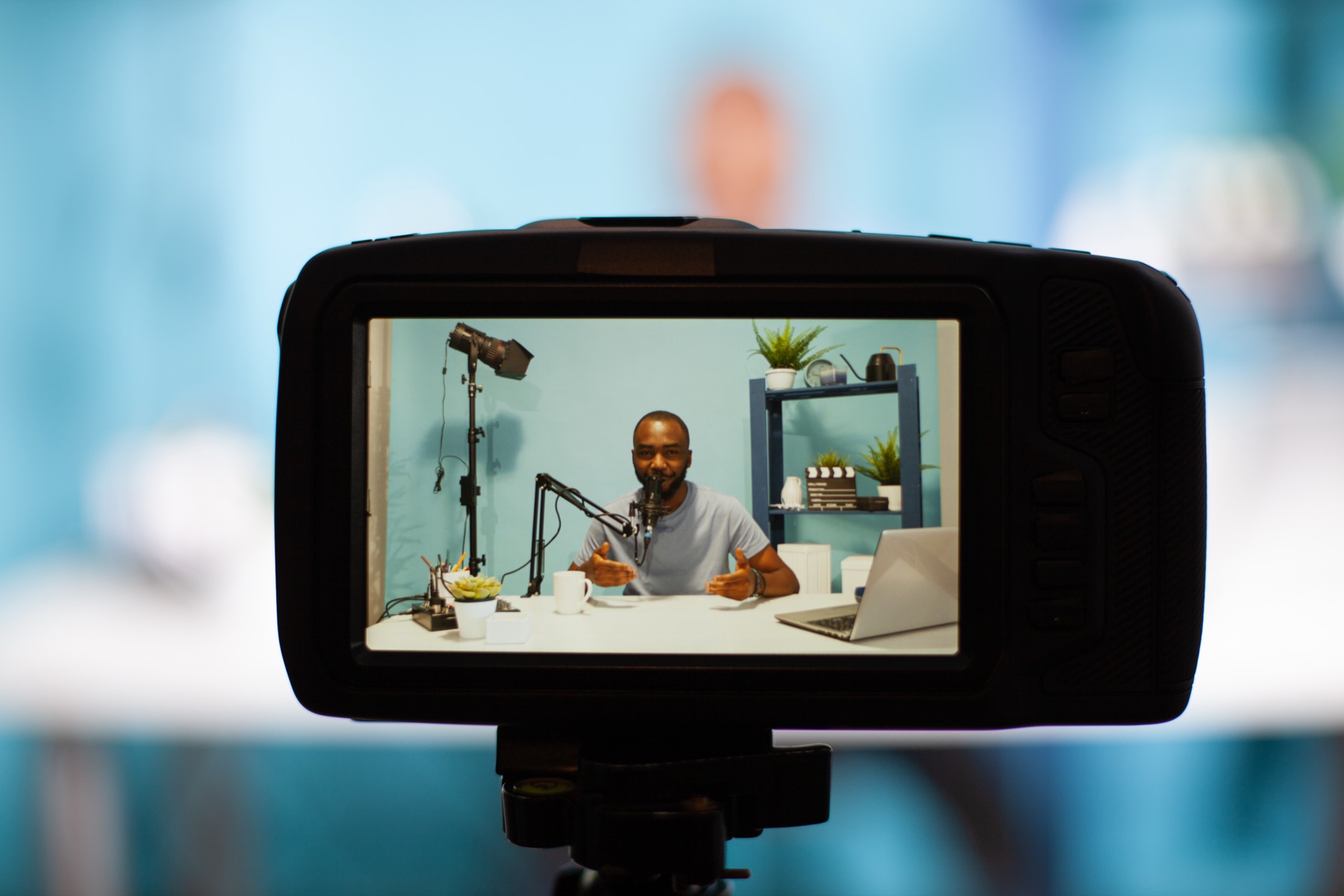
For most shows that want to grow, putting your podcast on YouTube is worth it. YouTube is now where many UK listeners go for podcasts, a podcast there is simply a playlist of full episodes, and video gives you clips and search visibility that audio apps rarely do. The real decision is how: a full video show, a static-image version from your RSS feed, or clips only. Choose the one you can sustain every week.
Imagine opening your YouTube Studio on a Monday and finding comments from people who watched a whole episode to the end, some of whom had never heard of your show a week ago. One mentions the moment your guest laughed so hard they had to stop. Another asks when the next one is out. The conversation you recorded at your kitchen table is suddenly reaching people you would never have met through an audio app.
That is the appeal. The doubt is the work: cameras, editing, thumbnails and the worry that it will look amateur. This guide sets out how YouTube podcasts actually work, the options, and an honest view of when it isn’t worth it, so you can make a clear decision and move on.
Because that is where a growing share of listeners are. Edison Research’s UK Podcast Consumer 2026 found that among weekly podcast consumers in the UK, YouTube (29%) was the service used most, just ahead of Spotify (28%), for the first time on record.
Ofcom’s research points the same way: 68% of UK podcast listeners say they listen to podcasts that also have video, and 44% find podcasts with video more engaging. Video is no longer a niche extra. For many people, watching is simply how they listen.
On YouTube, a podcast is a playlist, and each episode is a video in that playlist. You create it in YouTube Studio, or mark an existing playlist as a podcast, and add full-length episodes in the order they should be watched. A few details matter:
| Approach | What viewers see | Best for |
|---|---|---|
| Full video episodes | The hosts and guests on a filmed set | Shows built on personality and chemistry, and anyone wanting to grow on YouTube |
| RSS upload | Your show art as a still image over the audio | Audio-first shows that want to be listed and searchable on YouTube with little extra work |
| Clips only | Short highlights and Shorts that point to the full episode elsewhere | Shows that can’t film every episode but want to be discovered |
Many shows combine them: full video for the main episode, plus Shorts cut from it. Our guide to podcast clips for social media covers that second part.
It is a sensible first step. YouTube can take your RSS feed and use your show art to create a static image video for each episode, uploading new ones automatically. YouTube describes it as available in selected countries and regions, so check the current list for the UK.
Know the limits before you choose it. YouTube says podcast content uploaded this way cannot contain advertisements, and any sponsorships or endorsements must be disclosed. Titles and descriptions cannot contain HTML. Audio can’t be swapped once published. Most importantly, a still image gives viewers little reason to stay, so it works better as a listing than a growth plan.
Quite a lot, and most of it is good for the show:
Yes, though it takes time. To join the YouTube Partner Programme you need either 1,000 subscribers and 4,000 qualified watch hours in the past 12 months, or 1,000 subscribers and 10 million qualified Shorts views in the past 90 days. Long episodes help with watch hours, which is one reason full video shows tend to qualify sooner than clip-only channels.
For many independent shows, YouTube’s bigger value is indirect: a larger audience to show sponsors, guests who are pleased to appear on camera, and footage that feeds every other channel. Our page on marketing for podcasters shows how video can support the rest of your promotion.
Be honest about capacity. If you can barely publish the audio each week, adding filming and editing may break the schedule, and a regular audio show beats an irregular video one. Shows recorded remotely across time zones, deeply personal or anonymous shows, and narrative audio built on sound design may suit audio better. In those cases, the RSS route or a handful of clips gives you a presence without changing what the show is.
If you do want full video but not the workload, bringing in a team for the filming and edit is often the turning point. That is exactly what our videography for podcasters is designed to take off your hands.
We would like you to feel settled about your decision, then proud of how the show looks once it is made. The team began by handling video, design and social media for co-founder Jack Cartwright’s books, and we bring that joined-up approach to podcasts. Through our videography for podcasters, we can light and film your set, edit full episodes for YouTube and Spotify, and cut Shorts from every recording. A clear brief, scope and fee are agreed before any creative work begins.
Not as an MP3 on its own. YouTube says MP3 files can’t be turned into podcasts, so each episode needs to be a video file. You can create a simple video with your show art, or, where available, connect your RSS feed and let YouTube create a static-image video for each episode automatically.
Some listeners may switch to watching, but YouTube mostly reaches people who would never have found the show in an audio app. Most shows publish the same episode everywhere and let people choose. Make sure the audio version still makes sense without pictures, so nobody feels they are missing something.
If the podcast is the main thing you make, yes. If it supports a business or personal brand that already has a YouTube audience, publishing it on your existing channel as a podcast playlist can give it a head start. Either way, keep full episodes in the podcast playlist and clips elsewhere.
It is better to be consistent. If you can’t film every episode, an audio show with clips, or the RSS route, may serve you better than a channel that switches between video and still images. Some shows film seasons in batches, which keeps the look consistent and the workload manageable.
As long as the conversation stays good. Viewers watch long podcasts on YouTube, often on a TV or in the background, so there is no need to cut a strong episode short. Tighten the opening, remove slow tangents and use clips to reach people who want a shorter taste first.
A practical UK guide to video podcast lighting: key, fill and practical lights, two-person desks, backgrounds, flicker under 50 Hz mains and a look that stays…
How to promote a podcast on Instagram in the UK: Reels from every episode, Stories on release day, guest collabs, trial reels and posting between seasons.
How to write podcast show notes that persuade people to press play and help episodes get found in search, with a simple template, timestamps and transcripts.
Four quick questions, and we’ll show you where we’d start. Your answers come straight to us with your message, so you won’t have to explain it twice.
A 30-minute introduction call on Microsoft Teams, Monday to Friday, 9am to 5pm. Your answers come with the booking, so we’ll be ready for you.
Prefer to talk it through? Make an appointment for a 30-minute call on Microsoft Teams, Monday to Friday, 9am to 5pm.
A closer look at the work behind each part of your plan.
We use analytics cookies to understand how visitors use our site. They are only set if you accept. Read our privacy policy.