FOR MUSICIANS & BANDS
YouTube for Musicians: Channel Set-Up, Shorts and Live Sessions
How independent UK artists can set up a YouTube channel, apply for an Official Artist Channel, use Shorts, go live, organise playlists and build a community.

Which press photos an artist or band actually needs, and how to plan a shoot that gives you images for press, streaming profiles, posters and social.
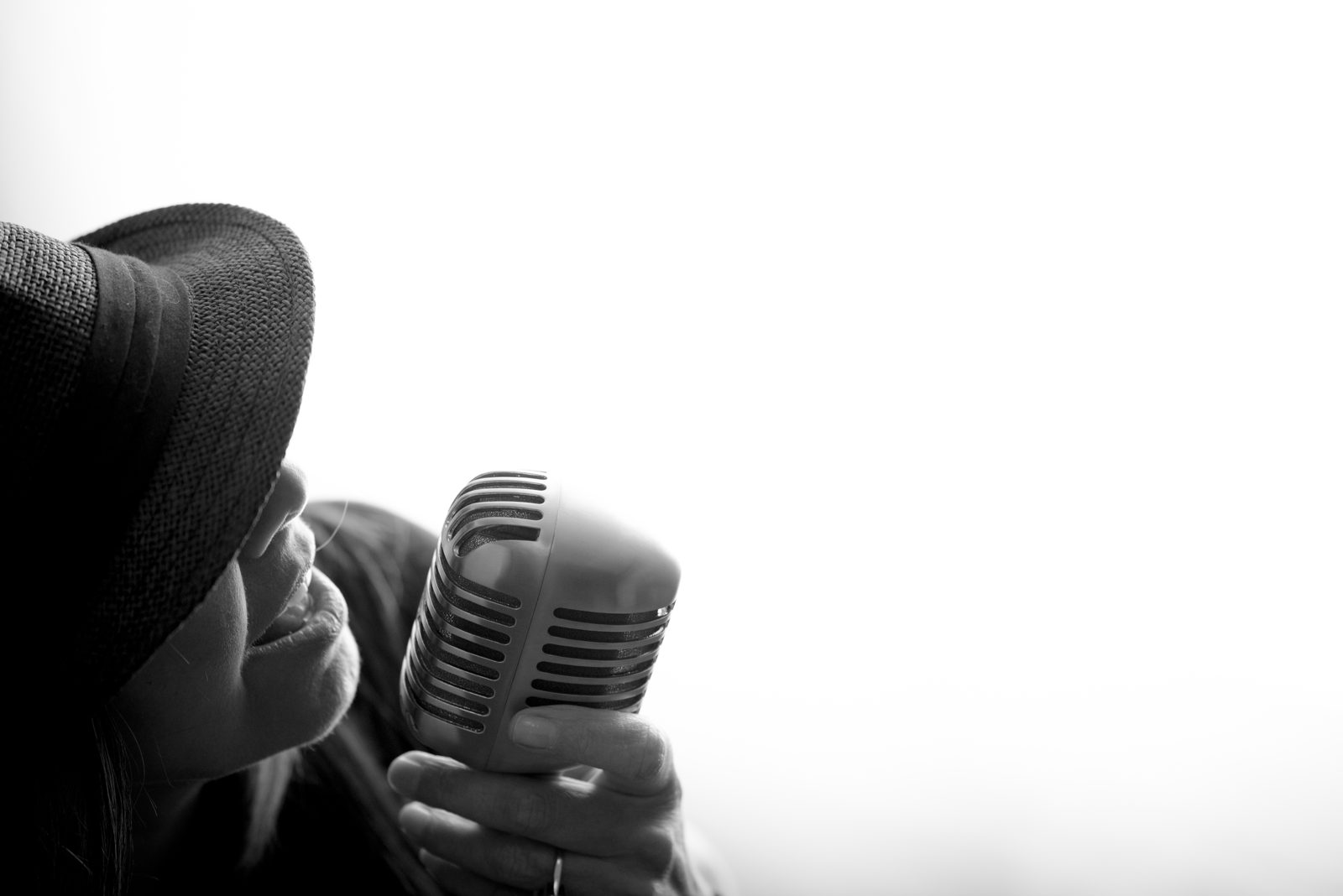
Most musicians need only a small set of press photos: one strong main image in both horizontal and vertical versions, a few alternatives, plus a square crop for streaming profiles. Plan the shoot around where the pictures will go. Agree a look that fits your music, and get in writing exactly how you’re allowed to use the photos.
Press photos work hard without anyone noticing. They sit at the top of a review and on the gig poster, on your streaming profile, in every festival line-up announcement. Often they’re the first thing someone sees before hearing a single note, so they shape what people expect you to sound like.
This guide covers which images you need and how to plan an artist or band shoot. It finishes with what to agree with your photographer before the day.
We don’t sell fixed packages. The fee depends on how many people are in the shot and whether we’re in a studio or out on location. It also depends on how many looks and set-ups you need, how many finished images you want and how you’ll use them. Some artists only need one set of press shots. Others want photography alongside a website, or social content built around a release.
Fancy talking through a shoot? Get in touch and tell us what you’ve got coming up.
See where we’d start with you →
Forget dozens of images. You need the right few, in the right shapes.
Orientation trips people up more than you’d expect. Youth Music’s PR guidance for independent artists points out that if a publication mostly runs horizontal images, vertical shots may not fit. It also says press photos have to be high quality. Blurry or grainy won’t cut it (Youth Music: PR tips for independent artists).
Check each platform’s current rules before the shoot so your photographer can frame for them. Spotify’s artist image guidelines ask for avatars of at least 750 × 750 pixels and headers of at least 2660 × 1140 pixels. They also say artist images shouldn’t include text, advertising or busy backgrounds, and shouldn’t promote an upcoming tour or release (Spotify: Artist image guidelines). In practice, that means leaving plenty of room around you in at least some frames, so each image can be cropped wide or square without chopping anybody off.
Ask what the photos need to say. A quiet folk record and a loud punk band shouldn’t end up with interchangeable pictures. Pick three or four words that sum up your sound and the world around your next release. Then judge every decision against them. Location, light, clothing, expression: all of it.
Write down every place the photos will appear over the next year or so. Press, streaming, posters, your website, social media, festival listings. That list tells you which crops and orientations to shoot, and whether some frames need empty space for poster text.
A studio gives you control and a clean, timeless look whatever the weather. Low-key studio lighting suits plenty of artists. Think deep shadows with one strong light source. It works because it looks deliberate, and it still holds up when it’s cropped small. A location can say more about where you’re from or how your music feels. It also brings variables you can’t control, like changing light or needing permission, plus noise from passers-by. Lots of artists do both in one session.
An instrument tells people what you do at a glance. It can also make your photos look like every other band shot ever taken. Use instruments in some frames and leave them out of others, so you’ve got choices for different publications.
Before the day, write down the images you can’t do without. That means the main shot in both orientations plus the square crop. Add individual portraits, along with any particular ideas you’ve had. Your photographer will bring their own ideas on the day. The list just makes sure the basics get covered.
Group shots are harder than solo portraits, since everyone has to look good in the same frame at the same moment. A few things help:
If you’re not used to being photographed, say so. A good photographer will direct you. The first few minutes are always the stiffest.
Usually the photographer does. GOV.UK explains that when you commission a copyright work, the first owner is the person who created it, not you as the commissioner, unless you agree otherwise in writing (GOV.UK: Ownership of copyright works). That’s normal, and it’s rarely a problem. Before the shoot, though, agree how you may use the images. Cover press and streaming, posters, merch, ads, plus how long the licence runs. Make sure publications know how to credit the photographer. This isn’t legal advice, so get proper advice if a particular use is important to you.
| Works well | Works less well |
|---|---|
| A clear, uncluttered background | Busy backgrounds that compete with you |
| Faces visible and in focus | Everyone in shadow or far away |
| A look that matches the music | A generic shot that could be any band |
| Space around the subject for cropping | Tight framing that cannot be cropped |
| High resolution, consistent edit | Low-resolution or heavily filtered images |
Short on budget? Funding might help. Help Musicians’ Next Level guidance lists content creation, promotional photography included, among the eligible costs (Help Musicians: Next Level award application guidance). Check the current terms before you apply. For more on planning any kind of shoot, from choosing locations to working out how many images you’ll need, read our guide to planning a brand photoshoot.
Our brand photography covers studio and location portraits in a low-key, cinematic style that suits press and streaming. We plan the shoot with you around where the images will end up. We can carry them through to your website and social channels as well, so the whole thing feels consistent, and we agree a brief and scope with you, along with the fee, before any work begins. See photography for musicians for press shoots and live work, as well as album artwork.
Usually three to six finished images. That’s a main shot in both orientations, two or three alternatives and a square crop for profiles. Bands may want individual portraits of each member too. Go much beyond that and you tend to slow people down.
Alongside press shots, yes, but not as your only images. Live photos capture energy brilliantly, and promoters especially like them. They’re often hard to crop, though. They can be badly lit too, and they seldom show faces clearly. Most publications still expect at least one posed press image.
Every release cycle or two, or whenever your look, sound or line-up changes. Out-of-date photos confuse people. That’s doubly true if a former band member is still in the picture.
They should feel as if they come from the same world. Colour and mood can tie them together, as can styling. They don’t need to be the same image, though. Don’t use cover art as a press photo, because publications usually want to show the artist.
Not always. Youth Music says you don’t need an expensive shoot, as long as the images are good enough for online and print. A professional earns their fee when the photos will be used widely, say across a release campaign with posters and a website, and when you want a consistent look.
How independent UK artists can set up a YouTube channel, apply for an Official Artist Channel, use Shorts, go live, organise playlists and build a community.
How function and wedding bands can get found and booked: website and video, Google Business Profile, directories, honest reviews and fast enquiry handling.
How independent UK artists can use TikTok: choosing sounds, writing hooks, posting consistently, getting your own track onto the app and learning from analytics.
Four quick questions, and we’ll show you where we’d start. Your answers come straight to us with your message, so you won’t have to explain it twice.
A 30-minute introduction call on Microsoft Teams, Monday to Friday, 9am to 5pm. Your answers come with the booking, so we’ll be ready for you.
Prefer to talk it through? Make an appointment for a 30-minute call on Microsoft Teams, Monday to Friday, 9am to 5pm.
A closer look at the work behind each part of your plan.
We use analytics cookies to understand how visitors use our site. They are only set if you accept. Read our privacy policy.