FOR FOUNDERS & CEOS
LinkedIn for founders: what to post, how often and whether to get help
A no-nonsense guide to getting your LinkedIn profile right, posting with a simple rhythm you can keep, and deciding honestly whether to get help.

A checklist of the photographs every founder needs, why each one counts, and how to get them all from one well-planned shoot.
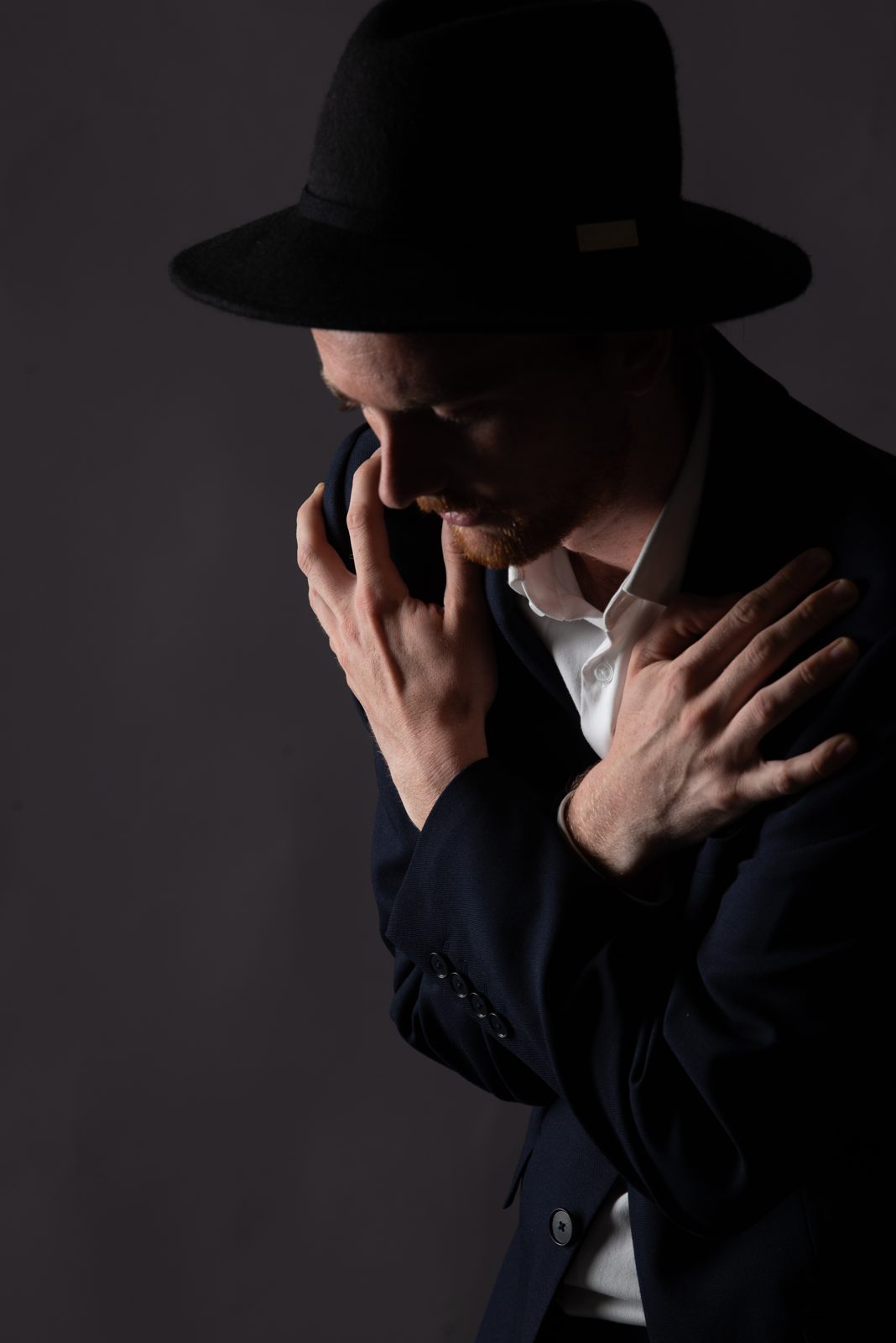
A founder photoshoot should give you a small library. Aim for a classic portrait and a wider one with space for text. Add working shots and team or product images, plus some informal pictures for social. Shoot upright and wide frames in more than one outfit. Agree a licence covering press and web as well as social and ads.
Most founders discover they need better photographs at the worst moment. A journalist wants a picture by four o’clock. A conference needs a speaker image, or the investor deck goes out tomorrow. What gets sent is a cropped holiday snap or a five-year-old headshot that doesn’t look like you any more.
One well-planned founder photoshoot heads all of that off. Here’s the set of images to aim for, and how to get them in a single session.
A headshot answers one question: what does this person look like? Founders get asked for far more. Editors want a picture that fits their layout. Event organisers want one that works on a banner. Your website needs images that show how you work, and your social channels need something different week after week.
That’s the gap between headshots and personal branding photography, which we cover properly in personal branding photography vs headshots. If you’re a founder, the sensible move is to plan the shoot around every place the pictures will end up.
Treat this as a checklist. You won’t need all of it. Still, dropping an item is much easier than booking a reshoot.
| Image | What it’s for | Notes |
|---|---|---|
| Classic portrait | Press, LinkedIn, speaker bios, about pages | Head and shoulders, plain or simple background, looking at camera |
| Wide portrait with space | Website banners, magazine layouts, event posters | Room on one side for headlines; landscape and portrait versions |
| Full-length or three-quarter | Feature articles, conference programmes | Shows posture and presence |
| Working shots | Website, social, case studies | At your desk, in a meeting, on site, with the product |
| Speaking or presenting | Speaker pages, event promotion | Can be staged on the day if you don’t have real event photos |
| Team pictures | About page, recruitment, press | Shows the business isn’t only you |
| Place and detail | Website, social, backgrounds | Your workspace, tools, materials, hands at work |
| Informal | Social, newsletters | Relaxed, candid, closer to how people meet you |
Journalists generally want a clean, well-lit, high-resolution portrait with no heavy filters, ideally in both orientations. Have a serious version and a friendlier one ready, because stories vary in tone. Keep a short caption and a photo credit with every file.
Pitch decks and data rooms need consistent, professional pictures of the founding team. When everyone has the same background and lighting, even a small team looks organised. Add a couple of working shots so investors see a real operation behind the slides.
Your home and about pages do the heavy lifting. Plan the images with your web designer so you shoot the right shapes and leave space for text where it’s needed. A personal brand website is only as good as its photographs, so plan the two side by side.
Variety beats perfection here. Twenty or thirty distinct images across a few outfits and settings can carry months of posts, mixed in with your everyday phone pictures. On LinkedIn, the help page gives profile photo dimensions of between 400 x 400 and 7680 x 4320 pixels, with a maximum file size of 8MB (LinkedIn Help). Shoot well above the minimum and crop down.
Planning counts for more than the camera does. You’ll find detailed advice on outfits and locations, and on image counts, in planning a brand photoshoot. For founders, these are the basics.
Planning video too? Filming on the same day with the same styling can save time and keeps your stills and footage matching. Brand videography and photography often share a location and a plan.
This trips up a lot of people. Under UK law the creator of an image is generally the first owner of the copyright. For commissioned photographs, copyright will usually stay with the photographer unless you’ve agreed otherwise (GOV.UK: IPO copyright notice). What you’re paying for is usually a licence to use the images.
Before you book, get these points in writing:
This is general information, not legal advice. If ownership is a big deal for you, say because the images will run heavily in advertising, ask for clear terms or take advice.
Update them whenever you look noticeably different or the business changes direction. Do it, too, once your pictures start to feel dated. Plenty of founders find that a fresh shoot every year or two keeps the library current, with a smaller top-up session for new working shots to fill the gaps in between.
For informal social pictures, yes. A recent phone, good window light and a willing colleague will get you lots of usable shots. Professional brand photography earns its fee in four places: flattering light, direction that helps you relax, consistency across the whole set and files that hold up in print. If your pictures are going to sit in the press, on stage or on your home page for years, you’ll see that difference straight away.
Our brand photography covers portraits and studio or location work, as well as full brand image libraries, all planned around where the pictures will be used. We agree the brief, scope and fee with you before the shoot. If you need moving pictures as well, we also offer brand videography.
That depends on how you’ll use them, but a founder shoot should usually give you a library and not just a handful. Expect several portrait variations and a range of working and detail shots, plus a few informal images. Agree the number of edited images before you book.
Often both. A studio gets you clean, consistent portraits for press and bios. A location, especially your own workplace, gets you working shots that show what you do all day. If you can only pick one, go with whichever matches how most of the pictures will be used.
Wear what you’d put on to meet an important client, and bring one smarter option and one more relaxed. Solid colours that suit you usually work best. Steer clear of fine stripes and busy patterns, and make sure everything fits and is pressed.
Only if your licence covers advertising. Many photography agreements list the uses they permit, and paid ads are sometimes handled separately. Check the terms before you run anything, and if you plan to use the images in ads, ask the photographer to include advertising.
It helps. Put downloadable high-resolution images on a simple page with short and long bios and your credit details. It saves time whenever journalists or organisers ask, and it means they use pictures you’re happy with.
A no-nonsense guide to getting your LinkedIn profile right, posting with a simple rhythm you can keep, and deciding honestly whether to get help.
A balanced look at why CEOs build a public profile, what can go wrong, and how to do it in a way that serves the company.
A straightforward guide to planning, filming and cutting a founder story video that holds attention and earns its place on your website and social channels.
Four quick questions, and we’ll show you where we’d start. Your answers come straight to us with your message, so you won’t have to explain it twice.
A 30-minute introduction call on Microsoft Teams, Monday to Friday, 9am to 5pm. Your answers come with the booking, so we’ll be ready for you.
Prefer to talk it through? Make an appointment for a 30-minute call on Microsoft Teams, Monday to Friday, 9am to 5pm.
A closer look at the work behind each part of your plan.
We use analytics cookies to understand how visitors use our site. They are only set if you accept. Read our privacy policy.