FOR AUTHORS
What Should Authors Post on Social Media Between Releases?
What should authors post between releases? A balanced mix of story, process and reader posts, series reminders, countdowns and a weekly plan.

A good author photo does quiet, useful work on every cover, website and press release. Here is how to plan a shoot that gives you images you will actually use.
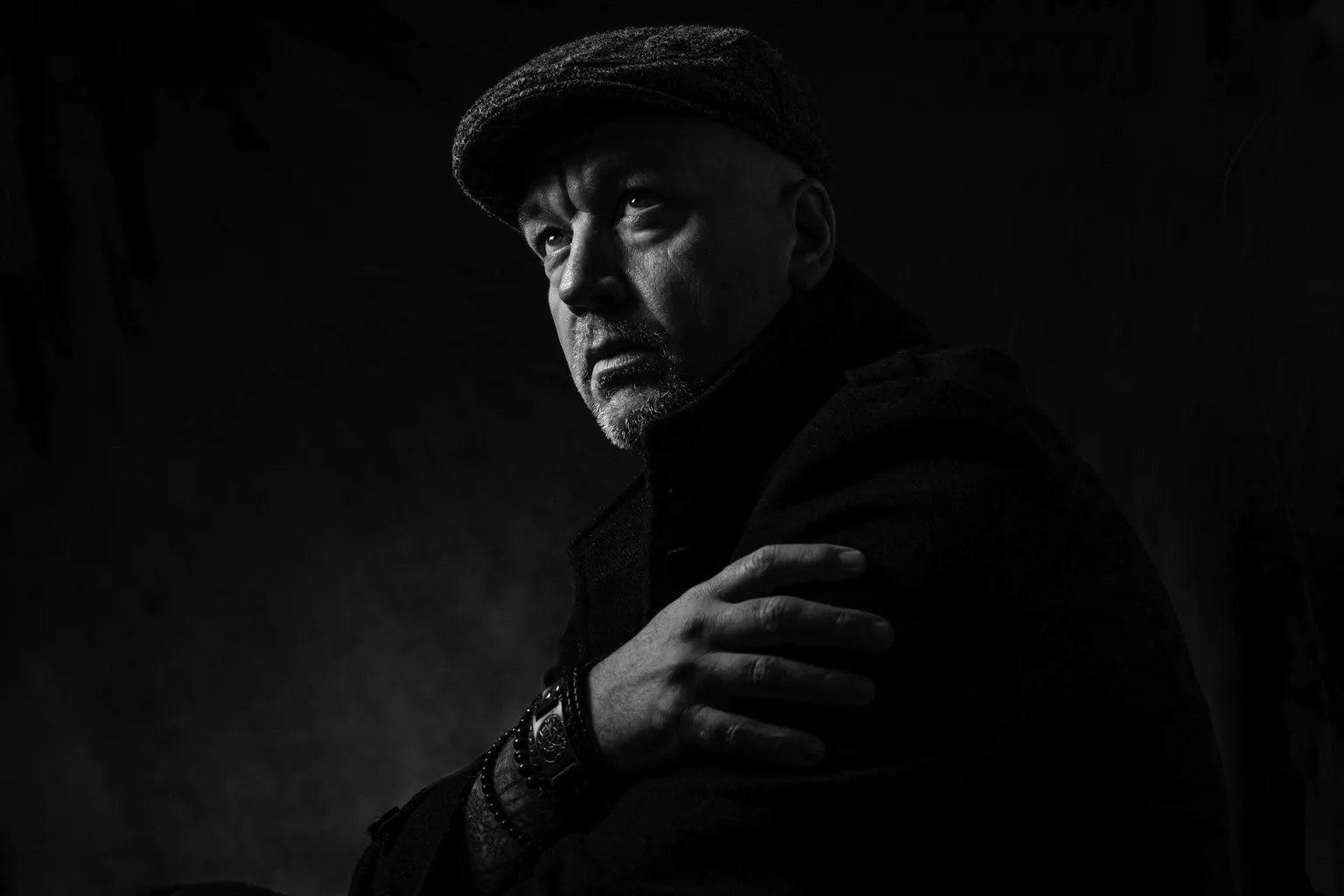
A good author photo looks like you, fits the mood of your books and works at every size, from an Amazon thumbnail to an event poster. Plan the shoot around where the pictures will end up and brief the photographer on your genre. Keep your clothes simple, and come away with a small set of portraits instead of one.
Your author photo turns up in more places than almost any other image tied to your books. It sits on the back cover or inside flap and on your website. It’s on retailer pages and social media, in festival programmes and the press. Readers use it to put a face to the name. Organisers and journalists just want a decent one they can print.
So plan it properly. Cropping a holiday snap the week before launch is how most bad author photos happen.
No photo will save a book readers don’t want. What a strong one does is remove friction. You come across as a professional who takes the work seriously. The picture hints at what kind of books you write. And press and event organisers get something usable without a round of emails. A weak or dated photo works against you in all those ways, and you won’t hear about it.
Treat it as one part of your wider author brand. It should look like it belongs next to your covers and on your website.
First, it has to look like you as you are now. You’ll meet readers at signings and events, and if the photo is ten years and two haircuts out of date, they’ll notice.
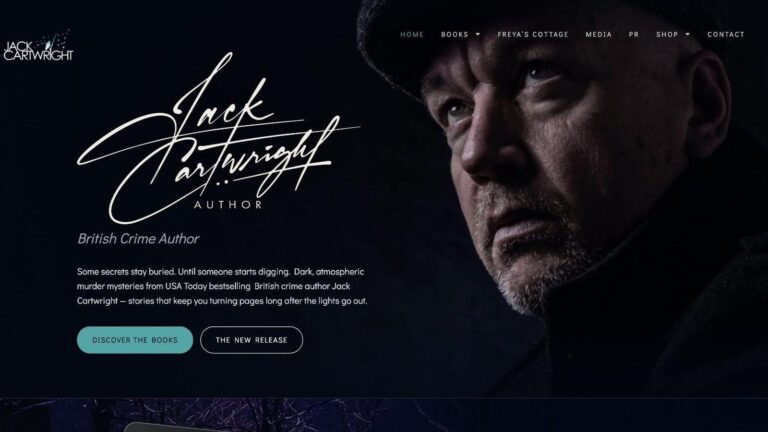
It should also suit your genre. A thriller writer lit low and moody gives off a completely different signal from a children’s author laughing in a garden.
It has to work small, too, because most people only see a thumbnail. A clear face against a plain background beats an elaborate setting. Leave some room around yourself as well. Every publisher, festival or magazine crops to its own shape, and a bit of space gives them choices.
Finally, get it in colour and in black and white. Jericho Writers’ guide to author headshots recommends asking for black-and-white versions of your colour shots. It also points out that magazines often ask for colour even when a publisher would rather use black and white.
One headshot is the bare minimum. A small set will work much harder for you over the next few years.
| Image | Where it is used | What to aim for |
|---|---|---|
| Main portrait (head and shoulders) | Back cover, retailer pages, press | Clear, direct, in the mood of your books, in portrait and landscape crops |
| Wider portrait | Website header, event posters, programmes | Space around you for text and different layouts |
| Environmental shots | About page, social media, features | You at your desk, in a library or in a place connected to your stories |
| Detail and lifestyle images | Social media, newsletters | Hands on a notebook, a book on a shelf, your writing space |
| Images with your books | Launch posts, ads, website book pages | The current book or series in a natural setting |
A set like that is what separates a headshot from a brand image library. Not sure which one you need? Our piece on personal branding photography vs headshots sets out the trade-off.
Before you book a photographer, look up the author photos of writers whose books sit near yours on the shelf. Write down what they share. Lighting and colour are usually the giveaways. Look at the setting and the expression on each face too. You needn’t copy anyone, but meeting readers’ expectations helps.
Put your decisions in a short brief. Include three words for the mood and whether you want colour or black and white. Note studio or location, and list where the images will be used.
Technically sharp photos aren’t enough. You want someone whose portraits you’d be proud to see on your own book. Find out whether they’ve shot authors or similar clients before, and talk to them before you book. Jericho Writers also suggests meeting or having a video call first, so you know you’ll feel at ease in front of their camera.
In a studio, the photographer controls the light, and it’s usually quicker. A location brings in some story. That might be your study or a library, or countryside that runs through your books. The catch is that you’re at the mercy of weather and travel, and you may need permission. Plenty of authors do both: a studio portrait for the main image, then a location for the wider set.
Sleep well. Bring your outfits on hangers, plus a copy of your book. You’ll probably feel awkward for the first ten minutes. That’s normal. A good photographer will direct you and shoot plenty of frames, and the natural expressions tend to arrive once you’ve forgotten the camera is there.
Prices swing a lot. Experience and location make a difference, as do the length of the session and the number of edited images, and so does what you’re allowed to do with them. As a rough guide only, Jericho Writers’ guide puts the average author headshot at £100 to £150, though it adds that some shoots run into thousands. It also warns that retouching can cost extra, and that a location shoot with several looks will cost more than a simple studio session.
When you compare quotes, ask exactly what you get. Check the number of final images and whether retouching is included. Check file sizes. Above all, check the usage rights.
This trips up a lot of authors. Under UK copyright law, the author of a work is generally its first owner, and the author of a photograph is the photographer (see section 11 of the Copyright, Designs and Patents Act 1988, and the GOV.UK overview of copyright). Paying for the shoot doesn’t, on its own, make the pictures yours.
What counts in the real world is the licence you agree. Before you book, get written confirmation that you can use the images wherever you’ll need them for as long as you need: book covers and your website, retailer pages, social media, ads and press. Check too whether publishers and journalists can use them. Jericho Writers says owning the images outright is better than paying a licence fee every time. If any of the terms are unclear, get proper advice. Don’t guess.
Jericho Writers suggests every two to three years, or whenever you switch genre or publisher. A big change in how you look is another good reason. When you update, swap it everywhere at the same time. Otherwise readers and organisers end up using three different versions of you.
Our brand photography covers studio and location portraits as well as brand image libraries, and we plan every shoot around where the pictures will be used. Our team started out behind a bestselling author, so we think about how a portrait will look on a cover or a website, and blown up on a festival poster. Before the shoot, we agree usage with you, along with the scope and fee. To talk it through, start a conversation. Author photography is one part of our done-for-you book marketing.
Get both. Black and white suits lots of genres and printed books. Magazines and websites tend to want colour. Ask the photographer for both versions of your favourite shots and you’ll have the flexibility for next to nothing.
You can, and some authors do at the start. The downsides are image quality and lighting, plus the fact that most selfies are framed too tightly to crop for different uses. If you go down this road, shoot in natural light against a plain background. Put the phone on a tripod with a timer. Don’t shoot at arm’s length.
Sometimes, but authors often have to find their own photographer. If your publisher wants a particular style or format, ask before the shoot so the brief can reflect it.
Go with the mood of your books and your own personality. A warm smile suits many genres. Crime and literary fiction often call for something more serious. A good photographer will shoot both so you can pick afterwards.
Put it anywhere readers or organisers might look for you. Start with the book itself and your website. Then your Amazon author page and other retailers. Add your social profiles plus a downloadable press section on your site. Using the same main image in all those places helps people recognise you.
What should authors post between releases? A balanced mix of story, process and reader posts, series reminders, countdowns and a weekly plan.
Learn how to give every book in a series a consistent look, with colour per book, clear numbering, box set covers and refreshes that help read-through.
Why indie authors sell ebooks, paperbacks and audiobooks from their own site, how delivery works, and what to check on VAT and KDP Select first.
Four quick questions, and we’ll show you where we’d start. Your answers come straight to us with your message, so you won’t have to explain it twice.
A 30-minute introduction call on Microsoft Teams, Monday to Friday, 9am to 5pm. Your answers come with the booking, so we’ll be ready for you.
Prefer to talk it through? Make an appointment for a 30-minute call on Microsoft Teams, Monday to Friday, 9am to 5pm.
A closer look at the work behind each part of your plan.
We use analytics cookies to understand how visitors use our site. They are only set if you accept. Read our privacy policy.