FOR AUTHORS
What Should Authors Post on Social Media Between Releases?
What should authors post between releases? A balanced mix of story, process and reader posts, series reminders, countdowns and a weekly plan.

A cinematic book trailer is rarely the best use of a video budget. Here is what tends to work instead, and when a trailer does make sense.
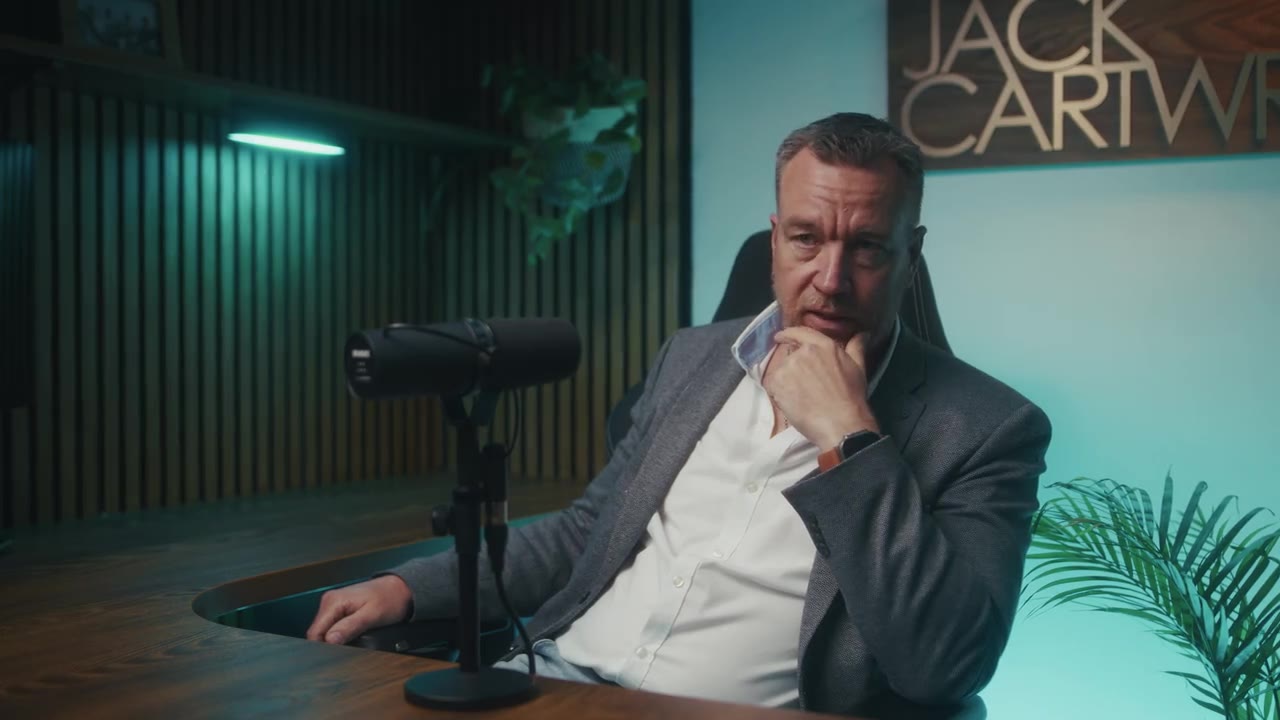
Book trailers rarely sell many books by themselves, and a pricey cinematic trailer is often poor value. Author video works better when it’s short and honest, and easy to repeat. Picture you talking about the story, its setting and your writing life, cut into clips for social media and ads. A trailer can still help within a bigger launch.
Short video is all over social media, so of course you’re wondering whether your book needs a trailer or other author videos. The answer turns on what kind of video it is and what it costs. It also turns on what you plan to do with it once launch day has passed.
We’ve been deliberately honest about the trade-offs below, including the parts you can do yourself.
The evidence is thin, and it points both ways. The reader survey people quote most is old and small. Back in 2012 the author and illustrator Debbie Ridpath Ohi asked 104 readers about trailers. Only 15.5% said they’d ever bought a book purely because of one, though 45.2% said a trailer had partly influenced a purchase (Debbie Ridpath Ohi, via Goodreads). It isn’t a rigorous study and plenty has changed since, but the pattern rings true. A trailer seldom wins over a stranger alone. It can tip someone who’s already interested.
The same readers knew exactly what put them off. Cheesy or amateurish production was one complaint, along with trailers that got the book’s mood wrong and unlicensed images or music. Excessive length came up too, with suggested maximums anywhere from 30 seconds to about 90 seconds.
So forget “trailer or no trailer?” Ask what video will help readers decide, and whether you can use it more than once.
Readers are often more curious about the person behind the story than about a dramatised version of it. A short, well-lit clip of you explaining where the idea came from, or why a particular place counts for so much in the series, feels real in a way stock footage hardly ever does.
If your books are rooted in a real place, film it. It’s a strong choice with little risk. Atmosphere suits most genres and dodges the problem of actors playing your characters, who may look nothing like the people readers have already pictured.
Your desk. The research trip. Proof copies arriving, or you signing stock at a bookshop. All of it is cheap to film, and it gives you something to post between launches.
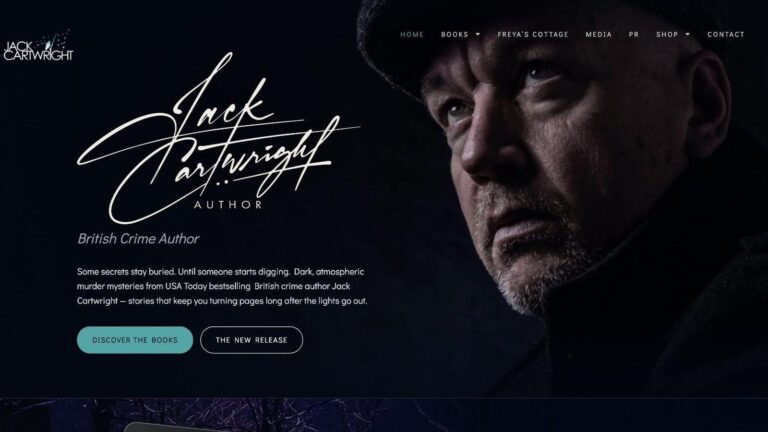
One longer interview, filmed properly, can be cut into lots of shorter pieces. We filmed a documentary-style series with Jack Cartwright, the bestselling author who founded Limelight, and it shows how this works. A single shoot fed a website and social media, plus ads, for many months.
There’s still room for a short trailer, especially for a series launch or a book with a strong visual hook. Keep it brief and true to the book’s tone. Build it around the cover and a line of copy, and give people a clear reason to read.
Costs swing so much with the crew and location, and with editing, that any one figure would mislead you. So this table compares the formats against each other instead.
| Format | Relative cost | Reuse value | Best for |
|---|---|---|---|
| Phone clips you film yourself | Very low | Medium | Regular social posts, behind the scenes |
| Simple animated or slideshow trailer | Low | Low | Retailer and social posts around launch |
| Professionally filmed interview | Medium | High | Website, social clips, ads, press |
| Documentary-style series | Medium to high | Very high | Established authors and series launches |
| Cinematic trailer with actors | High | Low | Rarely the best choice for most authors |
The pattern is plain. If a format lets you reuse footage across lots of posts, it tends to beat one that gives you a single polished piece.
The value sits in footage you film once and use for months. That’s why we usually plan brand videography and social media together, so each shoot is built around the posts it has to feed.
Length is the first trap. Viewers scroll on fast, so open with the most interesting moment.
Getting the book wrong is the second. A dramatic trailer for a gentle book pulls in the wrong readers and lets down the right ones.
Then there’s music and imagery you don’t have a licence for. Copyright covers music and film automatically, and images too, as the GOV.UK guide to copyright explains. Stick to properly licensed tracks and footage, or your own.
Bad sound kills a video faster than average pictures. People forgive a so-so image long before they forgive poor audio, so a decent microphone is a better buy than an expensive camera.
Posting it once is another waste. A video that goes up on launch day and never appears again is the most expensive kind there is. And leave out captions at your peril. Some people watch with the sound off, and on-screen text or subtitles make your clips usable for far more of them.
Yes, and for regular social posts you probably should. A modern phone, daylight from a window, a clip-on mic and a free editing app will cover a lot of ground. The hard part is doing a longer interview on your own: filming yourself well, lighting it to suit your brand, then editing it into a series of strong clips. That’s usually where professional help earns its fee.
For plenty of authors a mix makes sense. Book one professionally filmed session a year for the cornerstone material, then add your own phone footage week to week. If you’re working out where video sits next to your website and photos, or your social media, our guide to what order to build a personal brand in may help.
Our brand videography covers brand films and documentary-style series, as well as interviews and social video. We know author marketing from the inside, because our team started out as a bestselling author’s own team. We plan each shoot so the footage keeps earning across your social media and website, and in your ads. The scope and fee are agreed before filming. Want to talk about it? Start a conversation. Video is one part of our wider marketing for self-published authors.
Keep it short. In the 2012 reader survey mentioned above, people suggested maximums of between 30 seconds and about 90 seconds. For social media, aim for 15 to 60 seconds and put the hook in the first few seconds.
Usually not. Readers build their own picture of your characters, and actors can clash with it. Setting and atmosphere are safer and cheaper, and so are the cover and your own voice.
No, but it helps, because readers respond to the person behind the books. If you hate being on camera, start with a voiceover laid over footage of your setting or writing space. Then build up from there with a director who can put you at ease.
No. Music is protected by copyright, and a track used without the right licence can get your video muted or taken down. Choose music from a properly licensed library or a track you have permission for. The licensed audio built into the platform you’re posting on is another safe option.
Often not on its own. A debut author usually gets more from a few short, honest clips about the book and how it came to be written. They cost less, and you can spread them over several weeks.
What should authors post between releases? A balanced mix of story, process and reader posts, series reminders, countdowns and a weekly plan.
Learn how to give every book in a series a consistent look, with colour per book, clear numbering, box set covers and refreshes that help read-through.
Why indie authors sell ebooks, paperbacks and audiobooks from their own site, how delivery works, and what to check on VAT and KDP Select first.
Four quick questions, and we’ll show you where we’d start. Your answers come straight to us with your message, so you won’t have to explain it twice.
A 30-minute introduction call on Microsoft Teams, Monday to Friday, 9am to 5pm. Your answers come with the booking, so we’ll be ready for you.
Prefer to talk it through? Make an appointment for a 30-minute call on Microsoft Teams, Monday to Friday, 9am to 5pm.
A closer look at the work behind each part of your plan.
We use analytics cookies to understand how visitors use our site. They are only set if you accept. Read our privacy policy.