FOR AUTHORS
What Should Authors Post on Social Media Between Releases?
What should authors post between releases? A balanced mix of story, process and reader posts, series reminders, countdowns and a weekly plan.

Facebook and Instagram ads can sell books, but only when the book, the offer and the creative are ready. Here is how they work, without the jargon.
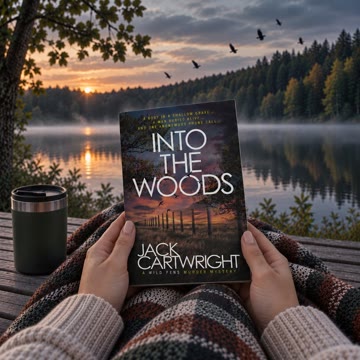
Facebook and Instagram ads can work well for authors, particularly if you write a series in an obvious genre and have a strong cover. They reach readers who aren’t looking for your book yet. Test small, use short video or eye-catching images, send clicks to a page that sells, and measure sales honestly before you spend more.
Ask a room of authors about Facebook ads and you’ll get the full range, from “they built my career” to “I burned money for a month and sold nothing”. Both can be true. The platform is identical for everyone. What changes is the book and the offer. Then there’s the creative, and how patiently you test.
Below you’ll find how the ads work, when they’re worth running and how to start without throwing money away.
They can. They aren’t a switch you flip, though. Facebook and Instagram ads are interruption advertising, which means you’re showing a book to people who opened the app for something else entirely. Some books suit that far better than others.
The odds are in your favour when a few things are already in place:
It’s much harder with a single literary title aimed at a broad audience, or a book whose retail page has hardly any reviews. If that sounds like you, put the money into building your author brand and organic presence first.
Neither, really. They do different jobs, and plenty of authors run both.
| Facebook and Instagram ads | Amazon ads | |
|---|---|---|
| How readers see you | While scrolling social media, not looking for a book | While browsing or searching on Amazon |
| Strength | Reaching new readers through visual creative and interests | Catching readers who are already shopping for books |
| Creative | Images, video and ad copy you write | Mainly your cover and product page |
| Where the click goes | Any retailer, your website or a sign-up page | Your Amazon product page |
| Measuring sales | Harder if you send people to a retailer you cannot track | Reported within Amazon’s ads console |
Amazon Ads’ guide for KDP authors sets out the basics. Sponsored Products ads only charge when a shopper clicks, and you choose your own budget. Your books have to be claimed in Author Central and on sale in the country you’re advertising in. Sponsored Brands ads are reserved for authors with three or more eligible titles under the same name.
You’ll need a Facebook Page under your author name (a personal profile won’t do) and access to Meta’s Ads Manager. It helps if you already post on that Page. Anyone who clicks through will find an author who’s active, not an empty shell.
Buy the book? Join your mailing list? Pre-order? Choose one goal for each campaign. Mix them and you’ll never know which one worked.
Sending people straight to a retailer is the simple option, but those sales won’t show up in Ads Manager. Sending them to your own website first means you can track visits and sign-ups, at the cost of an extra step before they buy. Neither is perfect, so pick based on what you care about more right now: measuring results or keeping the path short.
Start broad within your genre and let the creative sort people for you. A crime cover with a crime hook tends to find crime readers on its own. Narrow the targeting too soon and your ads can get pricier and harder to learn from.
Work out beforehand how much you’re willing to spend on learning, and think of it as the price of finding out what works. Give each ad long enough to collect proper data before you judge it. Then put more money behind the winners and switch the rest off.
Open with the cover, or with a striking image that fits the mood of the book. The first line of copy needs a hook: a question, the premise, or a one-line review that tells the right reader this book is for them.
Try short video too. A few seconds of atmosphere, the book sitting in a real setting, or you talking briefly about the story can all work, and our guide to book trailers and author videos goes into what tends to land.
Run several versions. Different images and hooks perform wildly differently, and you can’t reliably guess the winner in advance. And stay honest. Only use review quotes, rankings or claims you could defend if someone asked.
Organic posting and paid ads feed each other, because a post that does well without money behind it is often your best candidate for an ad. Our team manages Jack Cartwright’s Facebook page, where one reel posted on 27 July 2026 reached 53,827 impressions and the page grew from 4,664 to 5,789 followers between July and October 2026 (Metricool figures). Regular organic activity like that hands you creative that’s already been tested, plus a credible Page for ad viewers to land on.
Do your sales and sign-ups go up by more than you’re spending over time? That’s the honest test. A few habits make it easier to answer:
If you send traffic to your own website, you can install the Meta Pixel, a snippet of code that tracks what people do on your site and reports it back in Ads Manager. In the UK, the ICO’s guidance on cookies and similar technologies says you generally need consent before setting non-essential cookies. A proper consent banner is part of doing this right.
The CAP Code, which is published on the Advertising Standards Authority website, contains the rules advertisers have to follow for non-broadcast ads, sales promotions and direct marketing. For most authors, that comes down to not overstating rankings, awards or reviews. Meta’s own advertising policies apply on top. This isn’t legal advice. If you’re unsure, go to the ASA’s guidance directly.
Lots of authors run their own ads well, and learning the basics yourself does no harm even if you hand it over later. But it takes time to set up tests and read the results, then refresh the creative once it tires, and that time has to come out of something, usually your writing. Outside help tends to make sense around a series launch, when you need professional creative, or once ads have become a regular commitment you’d prefer not to manage. For the wider picture, read is it worth running ads behind your personal brand?
Our advertising service covers paid social and campaign planning, along with launch campaigns and ad creative. We started out as a bestselling author’s own team, so book launches are familiar territory. We often pair ads with social media management so the organic and paid sides support each other. We agree scope and fee with you before anything starts, so start a conversation about your books whenever you’re ready. We manage Amazon Ads for authors too: see our marketing services for self-published authors.
There’s no right figure. Begin with a test budget you can afford to lose, run several versions of your ad, and only raise spend on the ads that are clearly paying for themselves. Putting more money into an ad that isn’t working just loses it faster.
Slightly. You manage both in Meta’s Ads Manager, and one campaign can run across the two. Audiences and formats vary a little, so check how your ads look in each placement and adjust the creative where it needs it.
For a series, book one is usually the safer long-term bet, since new readers start there and then buy the rest. Around a launch, though, your existing readers need to hear about the new book, and that’s a job for your mailing list and your Page.
Yes. Speak to your publisher first, so you aren’t competing with their campaigns and you’re using approved cover artwork and quotes.
Usually something after the click is putting people off: the retail page, the price, the reviews or the description. Sometimes the ad is pulling in the wrong readers. Look at the landing page first, then ask whether the ad gives an accurate picture of the book.
What should authors post between releases? A balanced mix of story, process and reader posts, series reminders, countdowns and a weekly plan.
Learn how to give every book in a series a consistent look, with colour per book, clear numbering, box set covers and refreshes that help read-through.
Why indie authors sell ebooks, paperbacks and audiobooks from their own site, how delivery works, and what to check on VAT and KDP Select first.
Four quick questions, and we’ll show you where we’d start. Your answers come straight to us with your message, so you won’t have to explain it twice.
A 30-minute introduction call on Microsoft Teams, Monday to Friday, 9am to 5pm. Your answers come with the booking, so we’ll be ready for you.
Prefer to talk it through? Make an appointment for a 30-minute call on Microsoft Teams, Monday to Friday, 9am to 5pm.
A closer look at the work behind each part of your plan.
We use analytics cookies to understand how visitors use our site. They are only set if you accept. Read our privacy policy.