FOR AUTHORS
What Should Authors Post on Social Media Between Releases?
What should authors post between releases? A balanced mix of story, process and reader posts, series reminders, countdowns and a weekly plan.

How Amazon ads work for KDP authors in the UK: ad types, targeting, bids and budgets, how to judge profit including Kindle+ page reads, and when to get help.

Amazon ads for authors (Amazon PPC) put your book in Amazon search results and on other books’ pages. You pay only when a reader clicks. They work when your book page sells and someone manages targets and bids closely, judging results on profit (Kindle+ page reads included) instead of clicks. Left alone, they can cost more than they earn.
Plenty of readers buy their books on Amazon, so for an author it’s prime advertising space. Someone typing “Scottish crime thriller”, or browsing a bestseller in your genre, is already in the mood to buy. Amazon ads for authors put your book in front of that reader at exactly that moment.
The catch? The tools are powerful but easy to get wrong. Lots of authors try them, spend more than they make and decide ads don’t work. Usually it was the set-up that failed, or the management. This guide walks through each piece.
KDP authors can advertise through Amazon Ads, and the UK is one of the marketplaces where ads are available for KDP titles. There are two main types.
Sponsored Products promote a single book in shopping results and on book detail pages. Amazon says they can show up on Amazon, Kindle and Goodreads. Most authors start here.
Sponsored Brands can put several of your books together in one ad, or run a video ad. They suit authors with a series or a growing backlist.
Sponsored Products are cost-per-click. You set a budget and the most you’ll bid per click, and you pay only when someone clicks. Every marketplace is billed separately, so your UK and US campaigns run and get paid for independently of each other.
There are three ways to decide where your ad can appear:
You can also add negative targets. These are keywords or books you never want to appear for, and they’re one of your best weapons against wasted spend. Amazon suggests letting an automatic campaign run for about two weeks before you build manual campaigns from what it’s learnt.
Your bid is the most you’ll pay for a click. Amazon gives you three bidding strategies. With the first, it can lower your bid when a click looks less likely to lead to a sale. With the second, it can lower it or raise it (by up to 100% for top-of-search placements). The third is a fixed bid that it never touches. Your daily budget gets averaged over the month, so spending can swing from day to day without going over the monthly total. A daily budget of £10 caps a 30-day month at £300, for example.
Clicks and impressions aren’t the goal. Profit is. These are the numbers to watch:
The biggest mistake is advertising before the page is ready. Ads send readers to your cover, description and reviews. If those don’t persuade, you’re paying for clicks that never turn into sales.
Targeting too broadly is next. Turning up for loosely related searches burns budget on readers who were never going to buy. Skip negative targets and the same irrelevant searches keep costing you, week after week.
Then there’s set and forget. Campaigns drift, and what worked in spring can be losing money by autumn as competition and costs shift. Timing catches people out too: switching a campaign off after three days, or leaving a loser running for three months.
Finally, people read the wrong numbers. They celebrate clicks, or ignore page reads and read-through.
Good Amazon PPC management is a routine you keep up every single week, and the one-off set-up is only the start of it. It usually covers:
You can certainly learn to run them yourself. Plenty of authors do. It makes sense to hand them to a team once campaigns eat more hours than you want to give, or you’re spending real money without clear results. The same goes if you’ve got several books or marketplaces to juggle, or if launches are coming up and you want ads working hand in hand with social media and email, as part of a wider plan for marketing for authors. The right partner will show you exactly where your money goes and what it brings back.
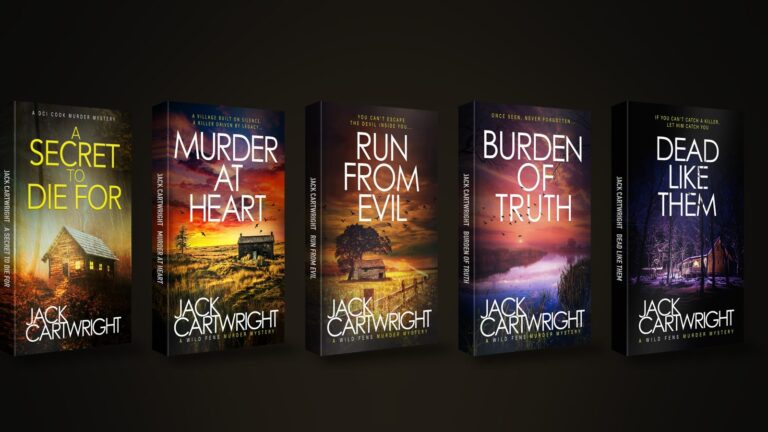
We started as the in-house team for our co-founder, the USA Today bestselling author Jack Cartwright. We ran his ads alongside his covers and social media, and his website too. We can set up and run your Amazon, Facebook and Instagram ad campaigns. Before you spend a penny we’ll check your book page is ready, and we report results in profit, never in clicks. We agree a clear brief and scope with you, along with the fee, before any creative work begins. For the full picture, see our marketing services for self-published authors.
Start with a budget you’d be comfortable losing while you test, and only scale up what proves profitable. There’s no single right figure. It depends on your genre and royalty, how many books you’ve got, and whether readers go on to buy the series.
Give a new automatic campaign about two weeks, as Amazon suggests, before you build on it. Expect several weeks of testing before you’ve got enough data to judge a campaign fairly.
They can, but the sums are tighter because there’s no read-through to fall back on. A single book needs a strong cover and a persuasive description, plus good reviews, before ads are likely to pay.
Neither is better. They do different jobs. Amazon reaches readers who are already shopping. Facebook and Instagram reach people who aren’t looking yet but fit your audience. Many authors use both, and the best results usually come from running them together around a launch or promotion.
Yes. You can advertise any of your books that are eligible on your KDP Bookshelf and available in the marketplace, and the campaign builder shows which editions you can pick. Audiobook ads are currently limited to the US.
What should authors post between releases? A balanced mix of story, process and reader posts, series reminders, countdowns and a weekly plan.
Learn how to give every book in a series a consistent look, with colour per book, clear numbering, box set covers and refreshes that help read-through.
Why indie authors sell ebooks, paperbacks and audiobooks from their own site, how delivery works, and what to check on VAT and KDP Select first.
Four quick questions, and we’ll show you where we’d start. Your answers come straight to us with your message, so you won’t have to explain it twice.
A 30-minute introduction call on Microsoft Teams, Monday to Friday, 9am to 5pm. Your answers come with the booking, so we’ll be ready for you.
Prefer to talk it through? Make an appointment for a 30-minute call on Microsoft Teams, Monday to Friday, 9am to 5pm.
A closer look at the work behind each part of your plan.
We use analytics cookies to understand how visitors use our site. They are only set if you accept. Read our privacy policy.