FOR AUTHORS
What Should Authors Post on Social Media Between Releases?
What should authors post between releases? A balanced mix of story, process and reader posts, series reminders, countdowns and a weekly plan.

How to shoot your own books and ARCs for Instagram: flat lays, props, light, a consistent look, and reusing images in ads and newsletters.
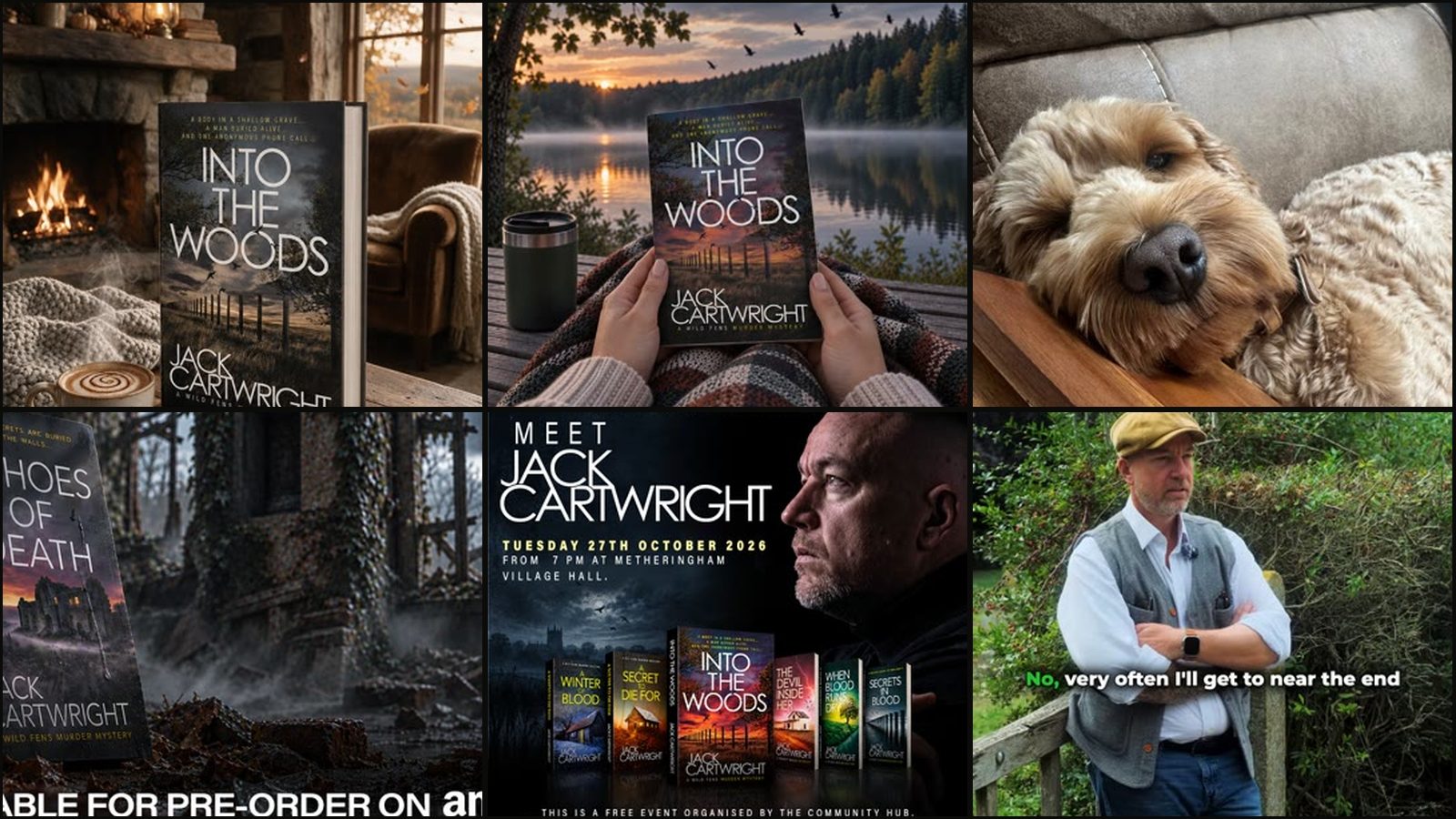
Good bookstagram photography comes down to four things: natural window light, a clean surface, a few props that hint at your book’s tropes and setting, and a consistent look from post to post. Shoot your own books and advance review copies (ARCs) flat or at an angle, keep the cover readable, and reuse the best images in ads and newsletters.
Bookstagram is the corner of Instagram where readers share books they love. It rewards pictures that feel warm and tactile and have been styled with care. Authors start with an advantage in bookstagram photography. You’ve got the copies in your hands, you know the story inside out, and you know which details readers will spot.
Forget the studio and the expensive camera. All you need is a recent phone and a window, plus a little patience. That will give you pictures that sit comfortably next to the bookstagrammers your readers already follow.
Bookstagram photography means styled photos of books, usually shot flat or in a small scene, made for sharing on Instagram. For an author it does two jobs. It presents your books as objects readers want to own. It also builds you a library of images in one consistent style that you can use well beyond Instagram.
Readers trust other readers. A photo that looks at home in a bookstagrammer’s feed often feels friendlier than slick advertising, so that’s the look to go for. Styled, but human.
Use what you’ve got. Your phone camera will do, and a small tripod, or a pile of books to prop the phone on, makes overhead flat lays easier.
Light comes first. Shoot beside a window in daylight, ideally on a cloudy day or out of direct sun, because harsh sunshine throws sharp shadows that fight with the cover.
For a surface, try a wooden table or a linen cloth, a sheet of coloured card or a bedspread. Keep it plain enough that the book stands out. A sheet of white card opposite the window works as a reflector and lifts the shadows.
Keep a lint roller and a soft cloth handy too. Dust and fingerprints show up in every single shot on a glossy cover.
Switch the flash off. Don’t mix daylight with warm lamps either, or you’ll get a muddy colour cast.
A flat lay is shot from straight above. You arrange the book and a few props on a surface. Treat it like a tiny cover design, with one focal point, a few supporting pieces and some empty space.
Props should suggest something about the story without spelling it out. Three or four items is plenty. Here are some ideas by genre:
Take your colours from the cover. If the jacket is deep teal and gold, pick those up in a cloth and a pen, and the picture will look designed instead of cluttered.
Someone looking at a phone should be able to read the title and your name. Give the book room to breathe and set it a little off centre, and keep props well away from the title. Try the same book standing upright or in a stack. Try it held in your hand, too. Variety inside a consistent style keeps a feed lively.
An ARC (advance reader copy) is a pre-release copy sent to readers who might review the book or talk about it. Photograph your own and you’ve got a pre-launch image that’s easy to share with your team and your newsletter, as well as with the readers you’re sending copies to. Pop a handwritten note or a bookmark in the shot to make the post feel personal.
If you send review copies to bookstagrammers, you need to know about disclosure. Guidance from the UK advertising regulator says that whenever a brand gives an influencer a payment or any other incentive, requested or unsolicited, the content needs to be obviously identifiable as advertising, and a post about a gifted product is covered. It adds that labels like “Gifted” are unlikely to be clear enough, and that a label such as “Ad” should be prominent and come early. Instagram’s own page for creators says the same about gifts: anything received from business partners counts, money or otherwise. Deciding whether a particular post counts is the poster’s job. So be clear and friendly with reviewers without telling them what to do, and never make a review depend on praise.
Consistency is what turns a feed from a scrapbook into a brand. You don’t need a strict template. A few rules you stick to most of the time will do.
Shoot in batches. Spend an hour with all your props laid out and you can come away with a month of images, and your feed will hang together far better than if you shoot each one on the day you post it. If posting turns into yet another chore, our social media for authors service can help you plan the rhythm.
Your best bookstagram images can earn their keep well beyond Instagram. A clean flat lay makes a good ad image, because it looks natural in the feed and shows the book clearly. A lifestyle shot can sit at the top of a newsletter or announce a cover reveal. It can also go on your website beside the buy links.
In ads, test a styled flat lay against the cover on its own and see which gets more clicks and sales. Our guide to Facebook and Instagram ads for authors explains how to set that test up.
In newsletters, use one strong image per email with a clear link, and keep the file size small. On your website, a gallery of book scenes fills out a series page or an about page nicely.
And if a reader posts a lovely photo of your book, ask their permission before you use it in ads or emails, and credit them.
Author photography and book flat lays can give you a library to draw on for months if you’d like a consistent, professionally styled set of book images.
We started out as the in-house team for our founder, USA Today bestselling author Jack Cartwright, looking after his social media and ads as well as his imagery. We can help you plan and shoot book photography for authors, from flat lays to lifestyle images you can use on Instagram and in your ads and newsletters. For the wider picture, see how we market self-published authors. We agree a clear brief, scope and fee with you before any work begins.
No. A recent phone camera is enough, provided you have good natural light and a tidy composition. Good light and props matter far more than kit, and so does a consistent style. Wipe the lens, switch off the flash, and shoot next to a window.
Pick three or four items that suggest your book’s tropes and setting, and match their colours to your cover. A candle and dried flowers say romance. A map and a key say fantasy, while a magnifying glass says mystery. Keep anything well clear of the title.
Stop thinking of marketing as a cost. The moment you do, you cut yourself off from a critical arm of your business and turn it into a negative. The real lost opportunity is not having strong book images, because your posts and ads depend on them. So do your emails. Shooting your own mostly costs time. Hiring a photographer is worth considering when you want a bigger, consistent set. Agree what’s included first.
It can help, if the readers really suit your genre. Send copies to people who already post about similar books, and be friendly, never demanding. Remember that gifted products count as an incentive under UK advertising guidance, so those readers may need to label their posts.
Only with permission. A photo belongs to whoever took it. Ask in writing, say where you plan to use the image, and credit the photographer. A short message agreeing to the use protects you both, and it keeps goodwill with the readers who help you.
What should authors post between releases? A balanced mix of story, process and reader posts, series reminders, countdowns and a weekly plan.
Learn how to give every book in a series a consistent look, with colour per book, clear numbering, box set covers and refreshes that help read-through.
Why indie authors sell ebooks, paperbacks and audiobooks from their own site, how delivery works, and what to check on VAT and KDP Select first.
Four quick questions, and we’ll show you where we’d start. Your answers come straight to us with your message, so you won’t have to explain it twice.
A 30-minute introduction call on Microsoft Teams, Monday to Friday, 9am to 5pm. Your answers come with the booking, so we’ll be ready for you.
Prefer to talk it through? Make an appointment for a 30-minute call on Microsoft Teams, Monday to Friday, 9am to 5pm.
A closer look at the work behind each part of your plan.
We use analytics cookies to understand how visitors use our site. They are only set if you accept. Read our privacy policy.