FOR LIFE COACHES
What should a life coach say in a welcome video?
A simple structure for a homepage welcome film that feels like the first minutes of a discovery call, with UK notes on captions, embeds and claims.

The short shot list of portraits, working shots and workshop images that helps UK life coaches feel familiar before the first discovery call.
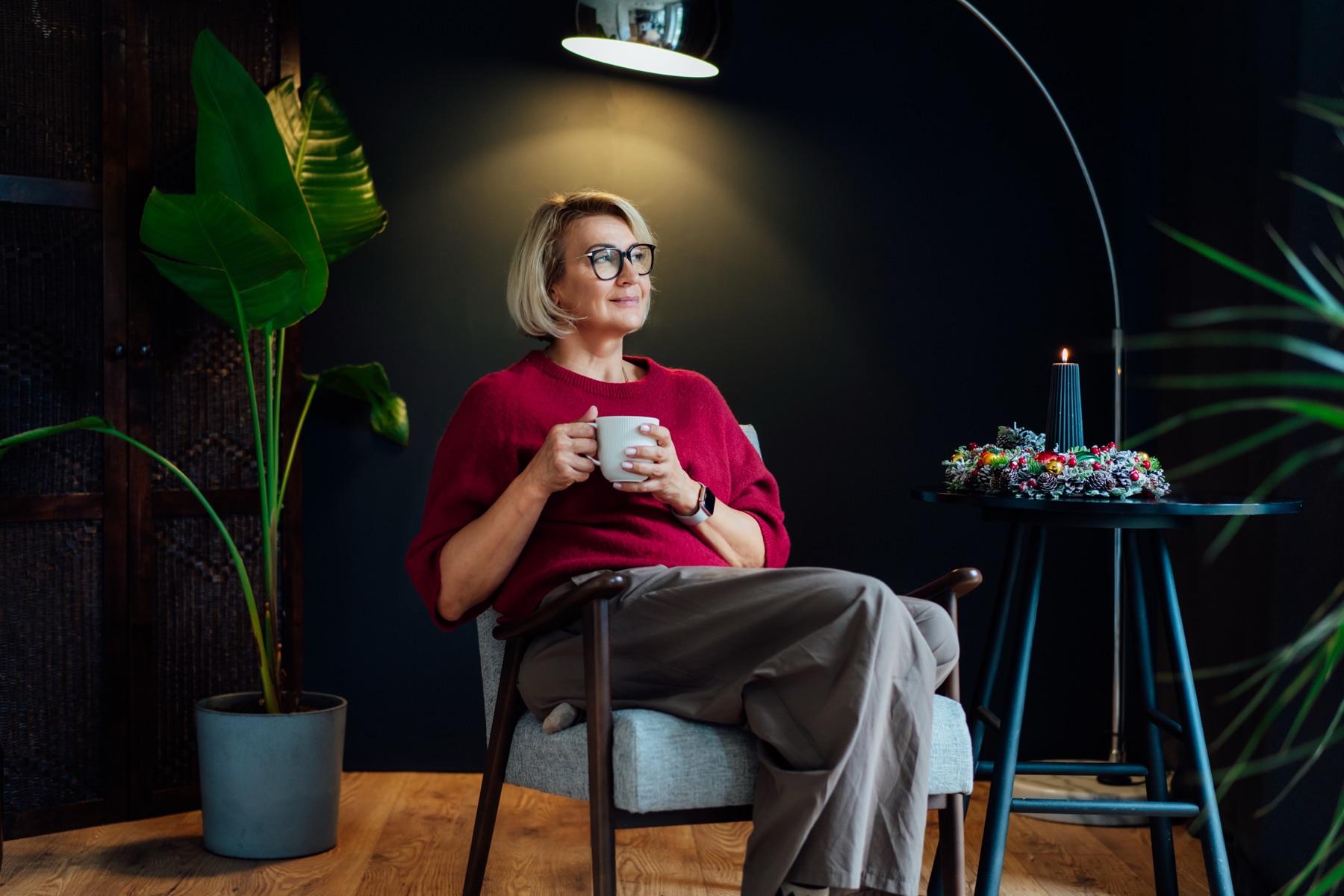
Branding photos for life coaches are a small, planned set of images that let people feel they have met you before they book a discovery call. Most coaches need three groups: warm portraits for the website and profiles, natural working shots of you writing, planning and on calls, and images from your workshops or talks. Add a few details from the room where you coach, edit everything in one consistent style, and a single well-planned shoot can cover your website and months of posts.
Picture someone finding you late on a Sunday evening, after a week that has left them wondering whether things could be different. They open your website and there you are: a kind face in good light, a notebook open beside a mug of tea, a room that looks like somewhere they could talk. They read a little more, then book a call. When you meet, it already feels like the second conversation rather than the first.
That is the work your photographs do. It is not a vanity project and it is not a long list. Here is what to shoot, why each image earns its place, and how to plan it so the day feels easy.
People choose a coach the way they choose a confidant. Before they share anything about their career, relationships or confidence, they want a sense of who will be listening. Your words help, but a photograph answers the question faster: does this person look kind, steady and easy to talk to?
Generic images can’t answer that, because they show someone else. A picture of a sunrise or a stranger on a mountain says “coaching” without saying anything about you. We look at the honest trade-offs in whether a coach should use stock photos, but for anything that represents you, your own face does the job better.
Think in four small groups rather than one long shot list.
A head and shoulders portrait looking at the camera, a wider portrait with space beside you for a headline, and one or two where you are laughing or looking away. These carry your home page, your about page and every profile picture.
You writing in a notebook, planning a programme at your desk, listening on a video call, walking to a session. They show what working with you looks like without showing anyone you work with.
You at the front of a room, a circle of chairs before people arrive, guests laughing over lunch with their permission. These are the images that sell group programmes and next year’s places.
Your workbook on a kitchen table, the plant on your windowsill, the coat you always wear for walking sessions. Small details make a feed feel lived in and give you quiet images to sit behind text.
If you only get a handful of photos, prioritise these:
Never photograph a real session. What happens in coaching is private, and even a picture taken with the best intentions can expose someone who trusted you. The International Coaching Federation’s ethics guidance expects coaches to have a clear agreement with clients about what may be shared outside the coaching relationship, and a photograph is something shared.
You can still show the feeling of a session. Common approaches:
Say on your website that images are staged if there is any chance someone might assume a real client is shown.
Group days are different, because the people in the room are often your clients. The ICO describes personal data as information relating to an identified or identifiable person, and a photo in which someone can be recognised can identify them. If you are relying on consent to use those photos, the ICO says it must be freely given, specific, informed and easy to withdraw, with no pre-ticked boxes.
In practice: tell people at booking that a photographer will be there and how images will be used, ask for a clear yes, offer an easy way to stay out of shot (a coloured lanyard works well), and keep quiet, reflective moments camera-free. Our guide to filming coaching workshops covers this in more detail.
Fewer than you might fear. Map the images to where they will live:
| Where it’s used | What it needs |
|---|---|
| Home page | One hero portrait with space for text, one working shot |
| About page | Two or three personal portraits |
| Programme and workshop pages | One image per programme, ideally from a real group day |
| Discovery call page | One friendly portrait looking at the camera |
| Profiles and directories | One headshot, used everywhere |
| Workbook and lead magnet | One detail shot or portrait for the cover |
| Social media | A mix of everything above, released over months |
Write this list before the shoot. It becomes your shot list, and it stops you coming home with forty versions of the same smile and nothing for the workbook cover.
Wear what you would wear to meet a new client, in two or three colours that suit your brand. Bring a second outfit for variety. Shoot where you actually coach if you can: your room, your favourite walking route, the venue you hire for workshops. Familiar places relax you, and clients recognise them later. Our life coach photoshoot ideas go further on outfits, locations and how to feel at ease.
Consistency is what makes a website and a feed look like one person. Agree an editing style at the first shoot (warm or cool, light or moody, natural skin) and ask for it every time. Refresh your portraits when your look changes or every year or two, and add workshop photos as each programme runs.
It also helps to know who owns what. Under UK law, the author of a work is the first owner of any copyright in it, so a freelance photographer normally owns the copyright in your photos and grants you a licence to use them. Agree in writing where you can use the images (website, social media, ads, print, a book cover) before the shoot, not after.
If you would like the whole thing planned for you, our page on photography for life coaches shows what a shoot covers, and our overview of marketing for life coaches shows how the photos feed everything else.
There is a quiet confidence in seeing yourself on your own website looking relaxed, warm and entirely like you. Our team began in-house for co-founder Jack Cartwright, keeping his images, videos and website pulling in one direction, and we bring the same joined-up care to coaches. We plan branding photography for life coaches around your programmes and the people you help, from portraits to workshop days. A clear brief, scope and fee are agreed before any creative work begins.
Update your portraits when you look noticeably different, when you change your niche or brand colours, or every year or two so your profile picture still matches the person who joins the call. Workshop and retreat images can be added each time a programme runs, which keeps your website and feed feeling current without a full reshoot.
Only with their clear, informed permission, and never from a real one-to-one session. Workshop and retreat photos can work well if attendees agreed in advance, understood where the images would appear and can easily withdraw. Many coaches prefer staged images with friends or models, which avoids the question entirely.
A good phone and a friend can produce a usable headshot, and that is a fine start. A professional earns their fee in planning, direction and consistency: the light, the variety of shots and an edit that matches across every image. If you feel awkward on camera, gentle direction makes the biggest difference.
A headshot is one tidy portrait for profiles. Branding photos are a set: portraits, working shots, details and event images, planned around where they will be used. Most coaches need both, and a branding shoot usually includes the headshot. Our article on personal branding photography versus headshots explains the difference further.
No. A mix works best: some warm smiles at the camera, some thoughtful moments, some laughing or looking away. Coaching involves listening as much as encouraging, and a few quieter images show that side of you. Your profile headshot is usually the one where a natural, open smile matters most.
A simple structure for a homepage welcome film that feels like the first minutes of a discovery call, with UK notes on captions, embeds and claims.
Prompts, framing, sound and simple ways through camera nerves, so UK life coaches can film short videos that sound like a real conversation.
Where stock images are fine on a UK coaching website, where they quietly cost you trust, and the licence and advertising rules worth knowing.
Four quick questions, and we’ll show you where we’d start. Your answers come straight to us with your message, so you won’t have to explain it twice.
A 30-minute introduction call on Microsoft Teams, Monday to Friday, 9am to 5pm. Your answers come with the booking, so we’ll be ready for you.
Prefer to talk it through? Make an appointment for a 30-minute call on Microsoft Teams, Monday to Friday, 9am to 5pm.
A closer look at the work behind each part of your plan.
We use analytics cookies to understand how visitors use our site. They are only set if you accept. Read our privacy policy.