FOR AUTHORS
What Should Authors Post on Social Media Between Releases?
What should authors post between releases? A balanced mix of story, process and reader posts, series reminders, countdowns and a weekly plan.

How promo newsletters and price promotions work, how to stack them with Kindle Countdown Deals and free days, and how to measure results.
Book promotion sites are reader newsletters and deal sites that send discounted or free ebooks to their subscribers, usually for a fee. They work best alongside a real price drop on a series starter, booked in a sensible order, with back matter that points to the next book. Judge them by sales, page reads and read-through, never by downloads alone.
No promotion site can make an unready book sell. What book promotion sites can do is put a well-presented, sensibly priced book in front of readers who have signed up to hear about deals. If you write a series, that means new readers for book one.
This guide is for UK self-published authors, whether in Kindle Unlimited or wide. We name platforms where that helps, but there are no affiliate links here. Rules change, so read each service’s current submission page before you book.
It’s a simple model. You pick a limited-time price drop and submit the book to a newsletter or deal site. If it’s accepted, your book goes out to subscribers on a set date. Some services are editorial, meaning a person decides whether your book is good enough. Others are booking services, where a quick review just checks you meet the basic rules.
Take Written Word Media, which runs several newsletter brands. Freebooksy covers free ebooks. Bargain Booksy covers ebooks priced between $0.99 and $5, Kindle Countdown Deals included, and Red Feather Romance is for romance. You choose a brand and a date, enter your book details and pay, and the editorial team reviews your submission within three days. The book has to be on Amazon. If the price isn’t right on the morning of the promotion, you don’t get a refund.
Settle the price before you choose a site, because the price decides which sites will take you. BookBub’s own partner data, in its article on the best price for an ebook promotion, is a good guide.
Free gets you the most exposure and works best for series starters. Bear in mind that free downloads don’t count towards many bestseller lists.
Heavy discounts, such as 99p or 99 cents, suit you if you’re chasing a bestseller list. Discounting the first book in a series also lifts sales of the others more than discounting a later book does.
Higher prices can bring in more revenue per sale if you already have a following. BookBub is less likely to accept them, though. They may also do less for a book nobody has heard of.
For series authors the logic is straightforward. Make book one free or cheap, and make books two onwards easy to find. Put a link and a short excerpt from the next book in the back matter, because BookBub reports that promoting a newer title there more than doubled its sales increase.
BookBub’s selection process begins with some minimum requirements. The deal has to be at least 50% off the current price (permanently free books are eligible too), and it has to be the lowest price for that ebook in the last 30 days. The book must be free of typos and meet the minimum page count for its category. An author can’t have had a Featured Deal in the last 30 days, and the same book can’t have had one in the last six months.
Once you clear that bar, editors look at reviews and accolades. They weigh up the cover design and what fits the category that week. Every category has a fixed number of slots. A good book can still be turned down. BookBub suggests resubmitting every 30 days, since the competition keeps changing.
Plan your other promotions around that “lowest price in 30 days” rule. Don’t undercut the price you want for your Featured Deal in the weeks before you apply.
BookBub isn’t the only game in town. Freebooksy and Bargain Booksy, mentioned above, cover genres from cosy mystery and thriller through to romance, fantasy and science fiction, and other services focus on particular genres. Before you book one, ask yourself four questions. Does it cover your genre? Will it accept your price? Does it need a minimum number of reviews? Can you book it for a date that fits your plan? Be wary of anyone who promises a guaranteed number of sales. For the bigger picture, our book launch plan shows where promotions fit in.
Both are KDP Select tools, so the ebook has to be exclusive to Amazon while it’s enrolled. KDP’s help page on Countdown Deals lays out the rules:
A Free Book Promotion works differently. KDP allows up to five free days in each 90-day enrolment period, and you can take them together or spread them out. You earn no royalties on free days, and while the promotion runs, the book moves to the Free sales rank list.
In any one term you can use a Countdown Deal or free days, but not both. If you publish wide, neither is open to you. Your promotion will be an ordinary price change plus whichever newsletters will take it.
Stacking means bunching promotions together so each one feeds the next. A simple order that works:
Don’t stack just because you can. One well-timed promotion will do more than five on a book whose sequels aren’t ready.
Write down your baseline first. Note the sales and page reads for the promoted book and the rest of the series in the weeks leading up to it, along with their rank. Then track the promotion window and the weeks that follow.
BookBub judges promotions on download volume and units sold, on revenue and bestseller placement, and on sales of other series and backlist titles. That’s a sound list to borrow. For Kindle promotions, KDP’s help pages send you to the Promotions report in your KDP reports, and to “Promote and advertise” on the book’s page.
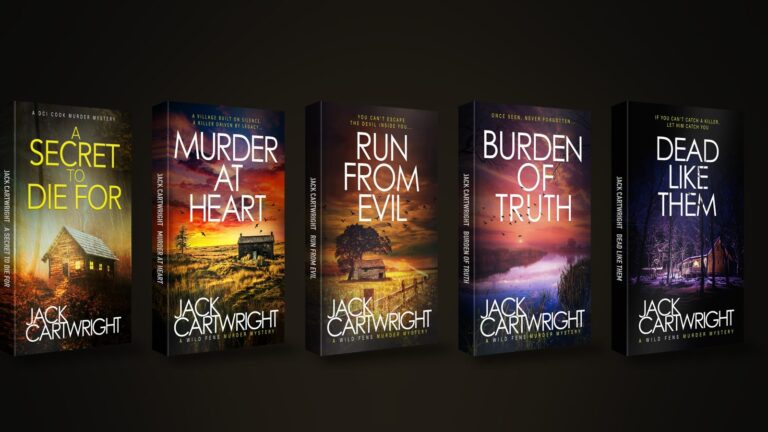
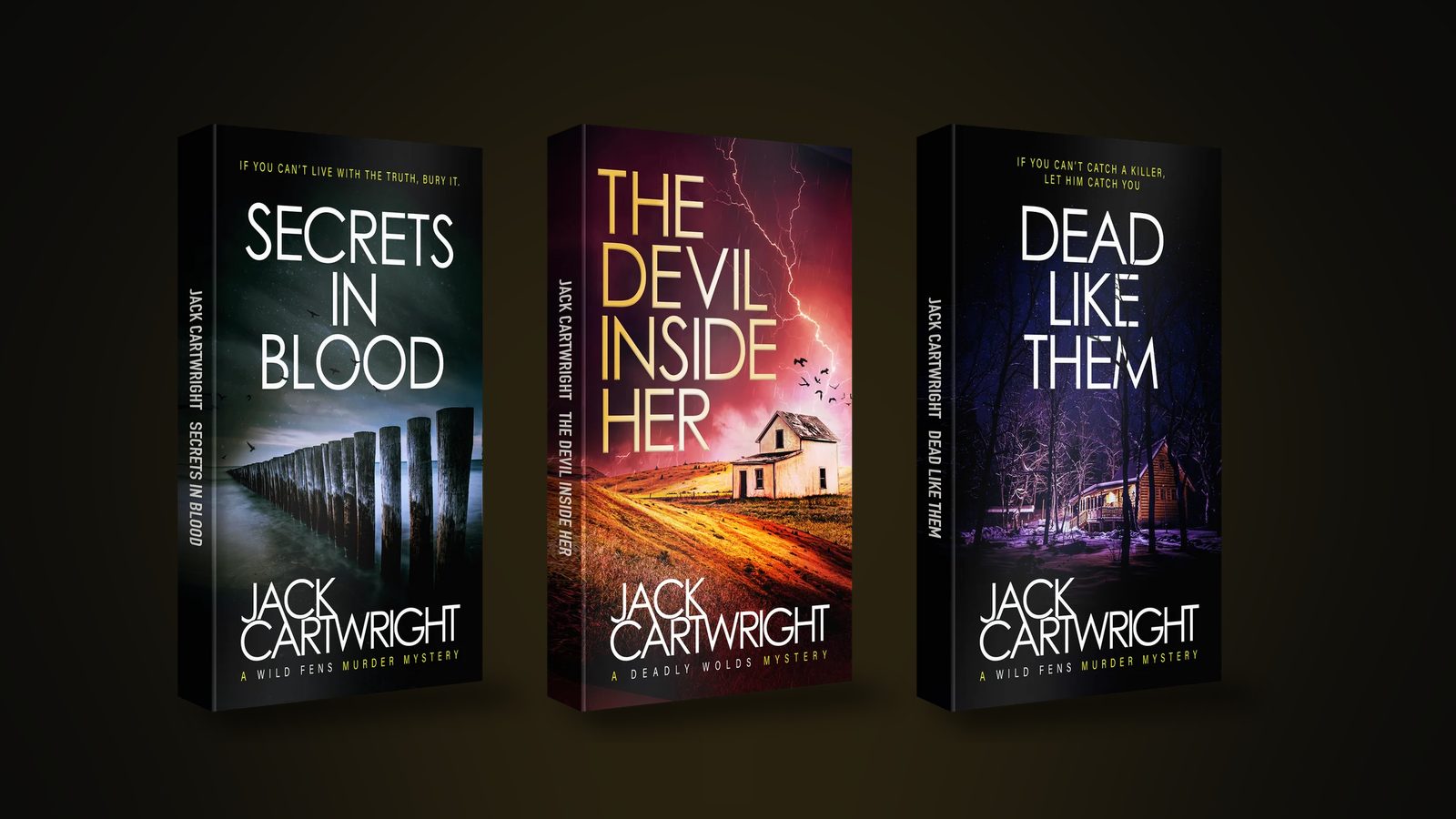
We can plan the promotion and brief the newsletters, design the ad images and set up tracking. Then we can link it all to an advertising for authors campaign that keeps readers moving through the series. Limelight grew out of the team behind USA Today bestselling author Jack Cartwright, so we’ve seen how these promotions behave first-hand. We agree a clear brief, scope and fee with you before any work begins. For the full picture, see how we market self-published authors.
Stop thinking of marketing as a cost. The moment you do, you cut yourself off from a critical arm of your business and turn it into a negative. Not promoting is the real lost opportunity, because readers who never hear about book one will never get to book two. Start with one promotion on a series starter, and judge it on read-through.
No. Newsletters mostly care that the book is on a retailer they support and that the price is right. KDP Select only comes into it if you want Kindle Countdown Deals or free days, and those need the ebook to be exclusive to Amazon while it’s enrolled.
No. KDP says you can use either a Free Book Promotion or a Kindle Countdown Deal in a given enrolment period, not both. You’re also limited to one Countdown Deal per term.
Free reaches the most readers. A deep discount can do better for bestseller lists. For most series authors, free or very cheap is right for book one, provided the later books are live and clearly signposted in the back matter.
Keep your price history clean for the 30 days before you apply, and don’t forget the 50% minimum discount. If you’re turned down, you can resubmit after 30 days. So build the rest of your plan in a way that doesn’t hang on a single acceptance.
What should authors post between releases? A balanced mix of story, process and reader posts, series reminders, countdowns and a weekly plan.
Learn how to give every book in a series a consistent look, with colour per book, clear numbering, box set covers and refreshes that help read-through.
Why indie authors sell ebooks, paperbacks and audiobooks from their own site, how delivery works, and what to check on VAT and KDP Select first.
Four quick questions, and we’ll show you where we’d start. Your answers come straight to us with your message, so you won’t have to explain it twice.
A 30-minute introduction call on Microsoft Teams, Monday to Friday, 9am to 5pm. Your answers come with the booking, so we’ll be ready for you.
Prefer to talk it through? Make an appointment for a 30-minute call on Microsoft Teams, Monday to Friday, 9am to 5pm.
A closer look at the work behind each part of your plan.
We use analytics cookies to understand how visitors use our site. They are only set if you accept. Read our privacy policy.